The 2026 Toyota bZ arrives with major changes aimed at performance, range, and charging speed. The updated electric SUV replaces the bZ4X name and focuses on technical upgrades for wider appeal.
More Power and Revised Performance Setup
Toyota increased output across the 2026 bZ lineup, and the gains are clear on paper. Front wheel drive models now produce up to 221 horsepower, while all wheel drive models reach 338 horsepower.
The all wheel drive system uses updated electric motors, and power delivery is more balanced. Acceleration improves as a result, and the vehicle reaches 60 mph in under five seconds. Chassis tuning also receives updates, and steering response is quicker than before.
The suspension setup supports stable cornering, but it still manages daily driving needs. Toyota keeps the top speed limited to 103 mph, and that limit remains unchanged. Braking and throttle calibration are revised, and pedal response is more consistent across speeds.
Extended Driving Range and Battery Options
The 2026 Toyota bZ offers a longer driving range compared with the outgoing model. Toyota reports a maximum estimated range of up to 314 miles on a full charge. This increase equals about 25 percent more range, and it addresses a key criticism. Two battery sizes are available, and buyers can choose based on budget and usage needs.
The smaller battery measures 57.7 kilowatt hours, and the larger unit reaches 74.7 kilowatt hours. Energy management software is updated, and efficiency improves during highway driving. Battery pre conditioning is included, and it supports better performance during fast charging sessions. Cold weather charging stability also benefits from the updated battery control system.
Toyota bZ Faster Charging and NACS Standardization
Charging capability improves for the 2026 Toyota bZ, and charging time is reduced. Using DC fast charging, the battery can charge from 10 percent to 80 percent in 30 minutes. Toyota adds the North American Charging Standard port as standard equipment.
This change allows access to a larger public charging network across the United States. Plug and Charge capability is also supported, and it simplifies payment at compatible stations. Level 2 home charging remains supported, and overnight charging suits daily commuting needs.
The charging system works with both battery sizes, and charging curves are more stable. Toyota focuses on consistent charging speed rather than peak figures alone.
Interior Layout, Space, and Pricing Direction
The interior design continues with a minimalist layout, and material use remains conservative. Heated cloth seats come standard, and they offer improved comfort and support. Rear seat space remains generous, and passengers have access to vents and USB ports. Cargo space includes a lower storage area, and a power tailgate is standard.
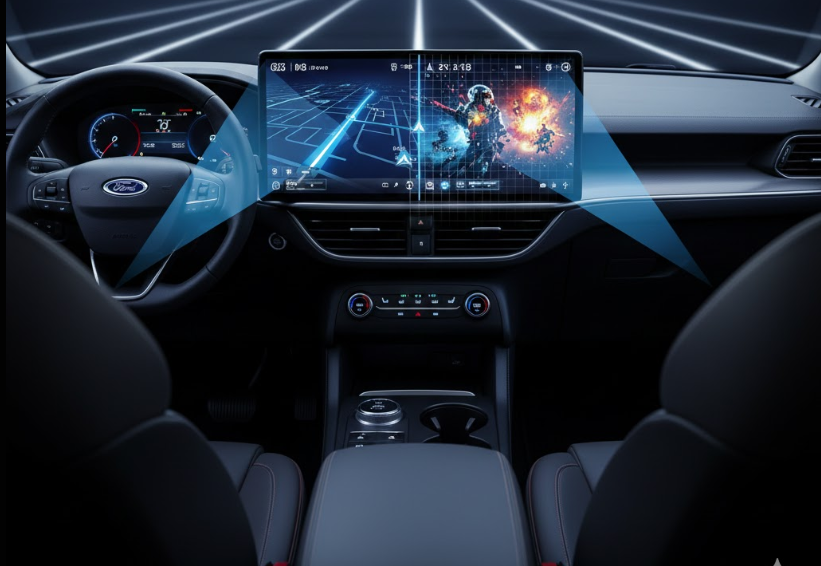
The digital gauge cluster sits near the windshield base, and visibility depends on seating position. The infotainment screen measures 14 inches, and physical climate controls remain available. Toyota introduces a lower starting price compared with the previous model year.
Furthermore, the revised pricing reflects added power, longer range, and improved charging capability. The 2026 Toyota bZ positions itself as a more competitive compact electric SUV. The focus remains on measurable upgrades rather than design or branding changes.