We all know the feeling. You walk into a showroom, and the new 2026 model catches your eye. It has screens that stretch across the dashboard, it drives itself (mostly), and it looks like a spaceship. It screams “future.”
But according to the latest data from Consumer Reports and NHTSA filings, that “future” might spend more time on a tow truck than in your driveway.
In the just-released annual auto reliability survey, a disturbing trend has emerged for the 2026 model year. We are seeing a massive spike in failures among the most advanced, tech-heavy vehicles. If you are planning to buy a car this year, you need to know which models are failing the “Beta Test.”
The “Curse of the New”
This year’s report confirms a golden rule of car buying: Never buy the first year of a redesign.
Jake Fisher, Consumer Reports’ senior director of auto testing, notes that while automakers are racing to launch complex EVs and Plug-in Hybrids (PHEVs), the reliability isn’t keeping up. The data shows that PHEVs currently have 146% more problems than traditional gas cars.
Quick Scan: The Bottom 10
Here are the 10 vehicles you should probably skip this year, ranked from least reliable (1) to slightly less risky (10).
| Rank | Model | Reliability Score (0-100) | Main Trouble Spot |
| 1 | GMC Acadia | 14 | Transmission / Brakes |
| 2 | Rivian R1T | 18 | EV Battery / Climate |
| 3 | Chevy Blazer EV | 19 | Software / Blank Screens |
| 4 | Mazda CX-90 PHEV | 20 | Hybrid System / Engine |
| 5 | Genesis GV60 | 21 | Charging Port / Trim |
| 6 | Mazda CX-90 | 23 | Engine / Electronics |
| 7 | Kia EV9 | 24 | 12V Battery / Electronics |
| 8 | Kia EV6 | 25 | Charging System (ICCU) |
| 9 | Honda Prologue | 25 | EV Battery / Software |
| 10 | Chrysler Pacifica | 26 | Transmission / PHEV Sys |
The “Lemon” List: A Deeper Dive
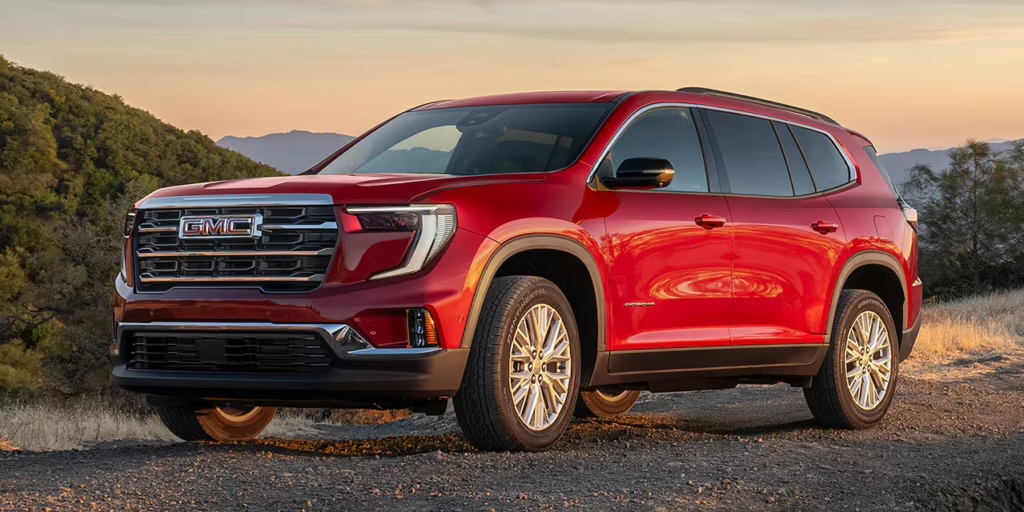
1. The Heavyweight Champion of Issues: GMC Acadia
Reliability Score: 14/100
The Horror Story:
It’s not just about a “check engine” light. Owners are reporting terrifying brake master cylinder failures on models with less than 2,000 miles. Imagine hitting the brakes and getting a dashboard full of warnings while the pedal goes soft.
-
Recall Watch: Look out for braking system investigations. Many owners also report the infotainment system going “wacko”—dimming randomly or freezing, leaving drivers without navigation or backup cameras.
-
The Verdict: Wait for a mid-cycle refresh. Right now, this SUV is a gamble with your safety.
2. The EV “Growing Pains” Club
Seven out of the ten cars on this list are EVs or PHEVs. But here is the twist: It’s rarely the motor that fails. It’s the software and basic hardware.
-
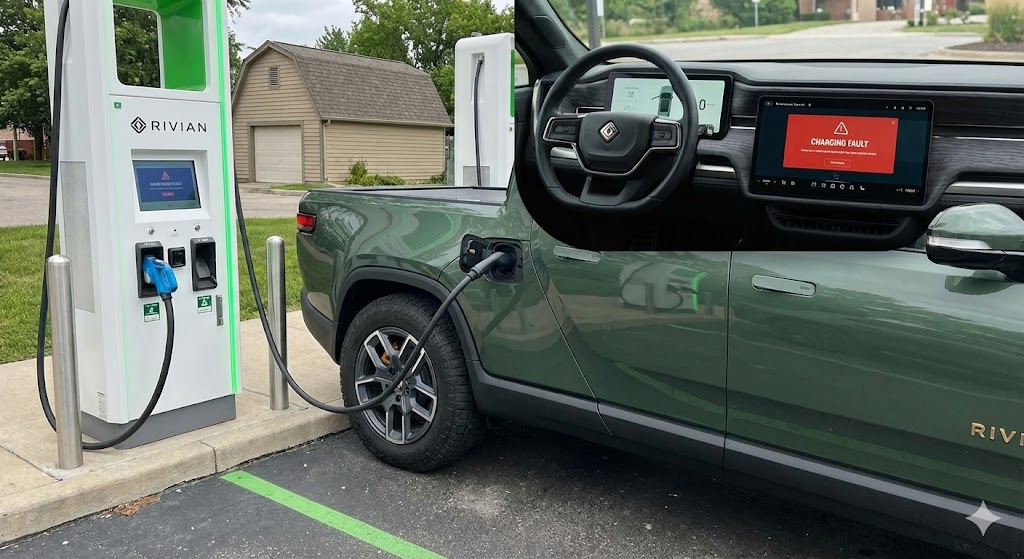
Rivian R1T (Score 18): Owners on forums are reporting a massive “Phantom Drain”—losing up to 10% of battery life per day while parked. A February 2025 NHTSA recall also highlighted a scary defect where headlights could fail in cold weather.
-
Chevrolet Blazer EV (Score 19): This was supposed to be Chevy’s mass-market triumph. Instead, drivers report screens going blank and “Service Vehicle Soon” lights popping up for software bugs that dealers are struggling to patch.
-
Honda Prologue (Score 25): Don’t let the badge fool you. This is a Honda in name only—it is built on GM’s platform, meaning it inherited GM’s electrical headaches and battery woes.
3. The Heartbreak: Mazda CX-90 & CX-90 PHEV
Reliability Score: 20–23/100
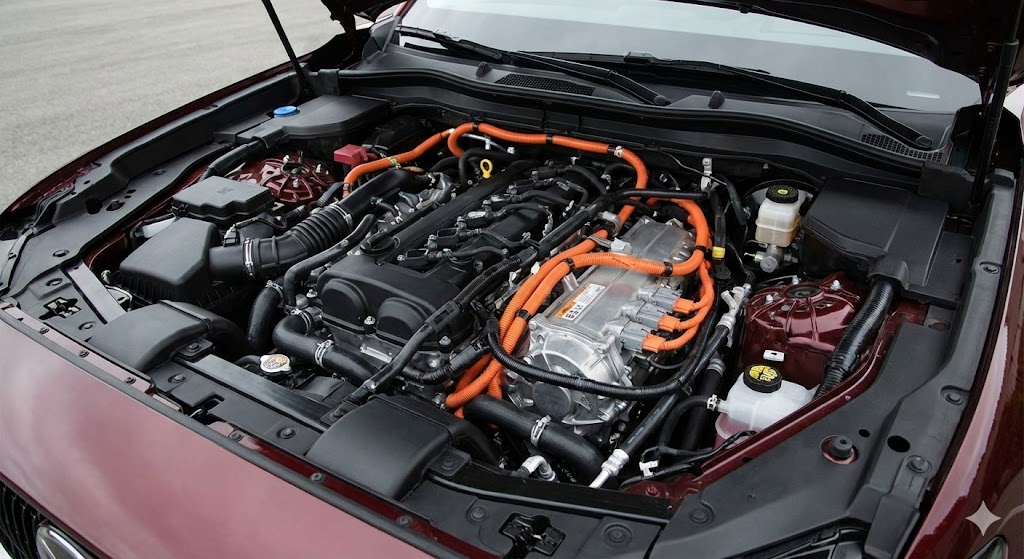
The Issue: The “Hybrid Malfunction” Message
For years, Mazda was the reliable underdog, often ranking right next to Toyota. But their move upmarket has stumbled.
-
The Defect: A specific software logic error causes the engine to stall or the EV mode to lose power suddenly.
-
The Warning: Owners often see a “Hybrid System Malfunction” message on the dash—Mazda’s version of the Blue Screen of Death.
-
Lesson: When a small company tries to reinvent its entire engineering philosophy overnight (new inline-6 engine + new hybrid system), things break.
4. The Korean Trio: Genesis & Kia
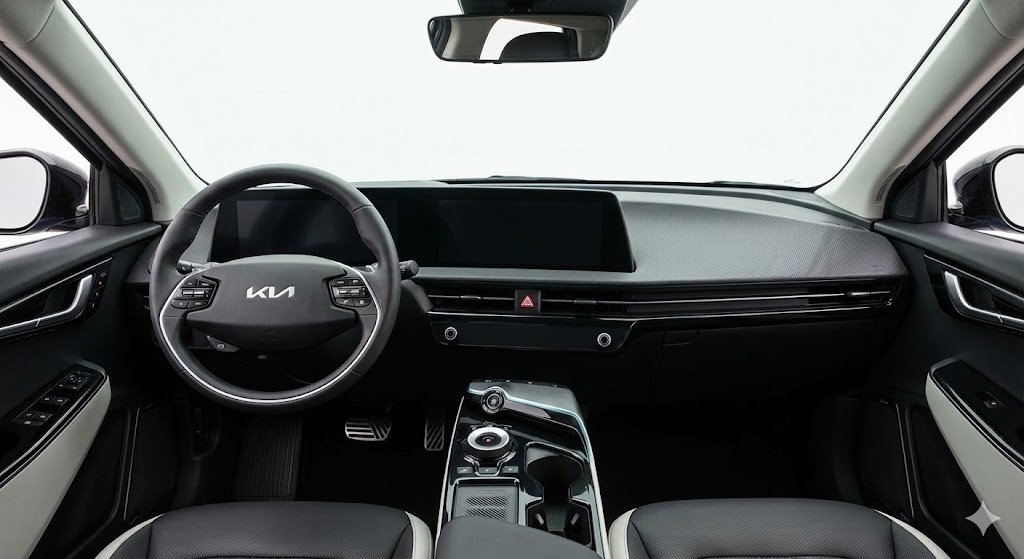
Hyundai and Kia have made massive strides in design, but their E-GMP platform is showing cracks as it ages.
-
Kia EV6 (Score 25): A fan favorite, but it suffers from the infamous ICCU (Integrated Charging Control Unit) failure. This part can blow, making it impossible to charge the car and sometimes popping a loud fuse while driving.
-
Kia EV9 (Score 24): The new big SUV is plagued by “12-volt battery death,” leaving the massive vehicle completely bricked in driveways.
-
Genesis GV60 (Score 21): Owners report frustrating charging port failures and issues with trim pieces rattling or falling off.
5. The Minivan Meltdown: Chrysler Pacifica Hybrid
Reliability Score: 26/100
The Chrysler Pacifica Hybrid remains the only plug-in minivan in the US, which makes it incredibly appealing. Unfortunately, it is a recurring suspect on this list, struggling with transmission jerking and battery charging faults that leave parents stranded in the school pickup line.
The Silver Lining: What Should You Buy?
If reading this list gave you anxiety, don’t worry. The data also highlighted the safest bets for 2026.
-
The “Bulletproof” Brand: Subaru has ranked as the https://www.google.com/search?q=%231 Brand Overall in the 2025 Consumer Reports Brand Report Card. Their “slow and steady” approach to updates means fewer bugs.
-
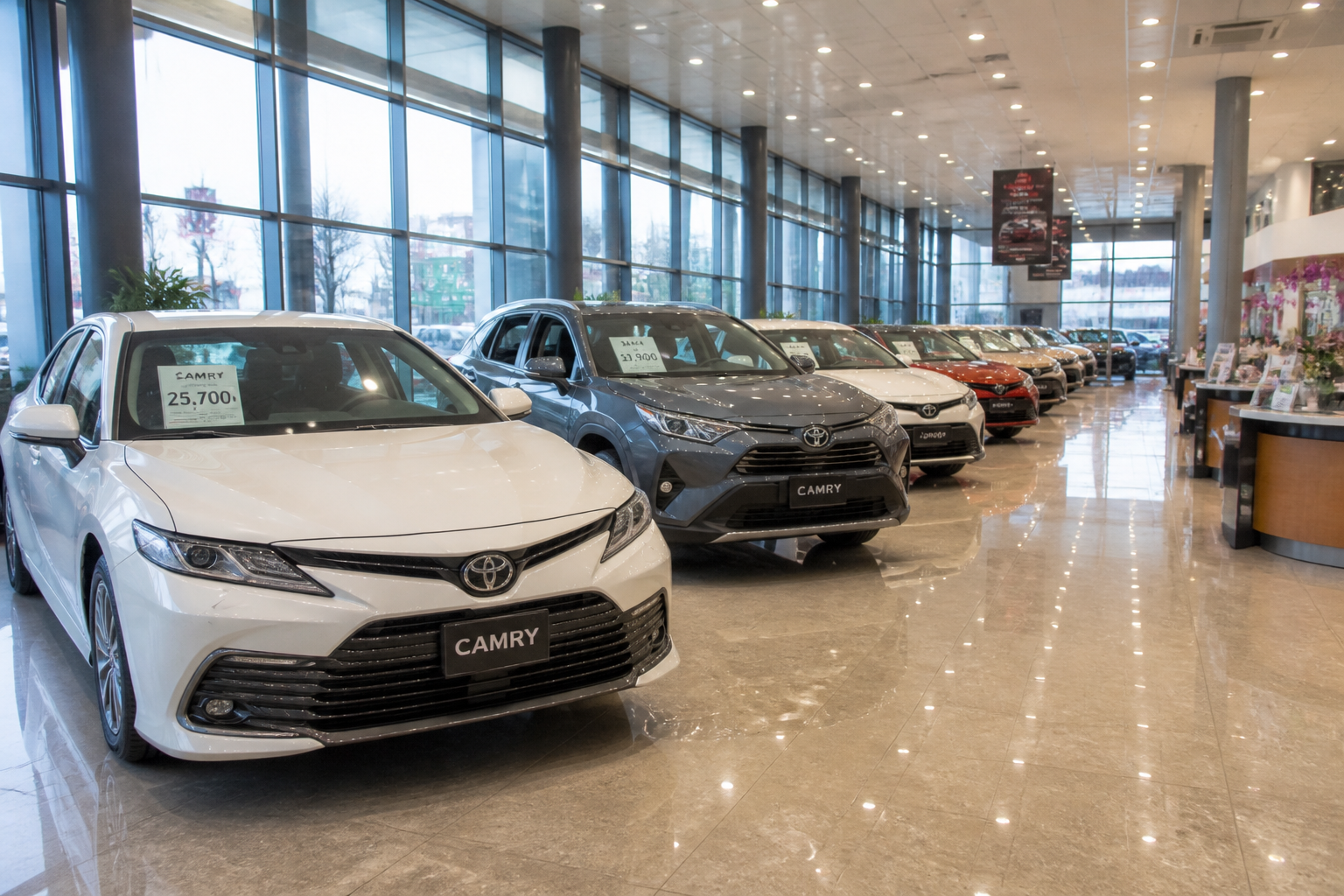
The Reliability King: Toyota still holds the highest average reliability score (66/100). The Toyota Camry Hybrid and RAV4 Hybrid are nearly indestructible.
-
Pro Tip: Stick to standard hybrids. The data shows they are currently 26% more reliable than gas-only cars because the technology is mature and proven.
The Bottom Line
In 2026, “New” equals “Risky.”
-
Avoid: First-year redesigns (GMC Acadia, Chevy Blazer EV).
-
Buy: Mature platforms (Subaru, Toyota Hybrids).
-
Lease: If you must have the Rivian or the Mazda CX-90, lease it. Do not own these out of warranty.