The Indian auto industry is gearing up to a swift change in 2025 as the year draws to a close. Car manufacturers are moving towards safer, cleaner and more technologically oriented cars. Electric models will become faster, smarter interiors will become standard and the year 2026 will bring new orientation to the way cars will be manufactured and how they will be used. It is believed that five trends will determine the future.
ADAS Features Reach Mass-Market Cars
Advanced safety systems are no longer limited to high-end models. Features like lane assist, automatic braking, and adaptive cruise control are starting to appear in lower-priced vehicles. Brands such as Hyundai, Kia, and Honda are already adding these to models like the Venue, Sonet, and Amaze.
This change comes as safety rules tighten under Bharat NCAP. With more models in the mid-size range offering ADAS in 2026, daily driving may become more secure for Indian buyers. The move also helps carmakers meet safety ratings needed for both local and export markets.
EVs Gain Speed With New Launches and Faster Charging
It is projected that electric vehicles will increase rapidly in 2026. A larger number of buyers are ready to change to EVs because of the increasing fuel price, increased range, and the increased availability of chargers. A key move is the future EV of Maruti Suzuki, which is likely to be named the e-vitara. The company also has an idea to have a charging network of more than 2,000 points nationally.
EVs launching in 2026 are expected to offer over 500 km of range per charge. Some models now recharge in under an hour using fast chargers. Lower battery prices and state-level support are also helping more people consider electric vehicles for daily use.
Triple Screens and Smart Cabins in New Models
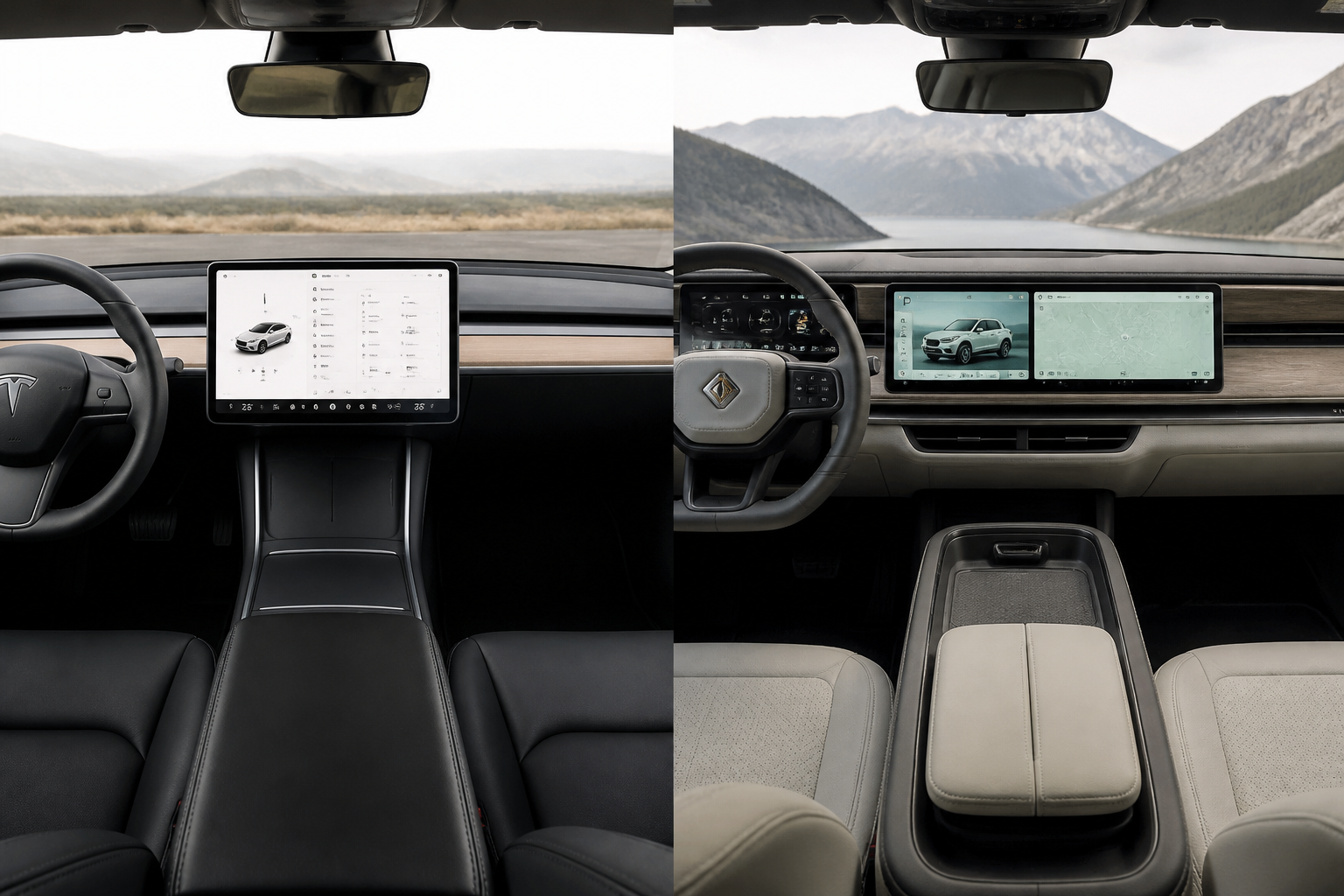
New cars are becoming more tech-driven. Dashboard layouts are changing, with three-screen setups becoming more common. This usually includes a digital display for the driver, a main touchscreen, and a third screen for the front passenger. Cars like the Tata Sierra and Mahindra XUV.e9 are among the first in this trend.
Rear seat features are improving as well. Rear entertainment screens are gaining popularity, especially in mid- and upper-segment cars. With India’s preference for rear-seat comfort, this setup is expected to appear in more models released in 2026.
Smart Helmets and Hydrogen Vehicles Enter the Scene
The two-wheeler area is also being upgraded in safety improvements. The use of smart helmets including Bluetooth capabilities, crash sensors and route warnings should become more common. There are also some helmets that can be attached to bikes so that they can take voice commands and control music or calls by hand.
Simultaneously, the experiments with hydrogen-powered cars are going on in limited quantities. Companies like Hyundai and Toyota are exploring this for commercial use, including trucks and buses. The vehicles have long range and are able to refuel fast. It is not yet available to the general market but in 2026 it will need trials that would allow it to become more widely used in the future.