
Volkswagen’s upcoming ID. Polo includes a digital cassette tape player that appears on screen when music is playing, a nostalgic touch that signals just how far the German automaker is willing to go to win back customers frustrated by its recent electric vehicles.
The tape deck graphic, first shown publicly in early January 2026 during a prototype drive filmed by German automotive channel Autogefühl, includes period-correct details like a “low noise” label and an indicator showing which “side” of the cassette is currently playing. It is part of a broader “Retro Mode” that transforms the 10.25-inch digital instrument cluster into something resembling the gauges of a 1980s Volkswagen, complete with an analog-style speedometer, an LED clock that channels serious Casio watch energy, and a power gauge styled like a classic tachometer.
The whole setup pays homage to the Mk1 Golf and early Polo hatchbacks, the cars that established Volkswagen as a maker of premium, fun-to-drive compacts during the post-Beetle era.

Volkswagen has not confirmed which trim levels will include the retro interface. The company has yet to publish official trim specifications for the ID. Polo, though the feature is software-based and part of the next-generation infotainment system debuting with the vehicle.
The cassette display is charming, but the more significant story is what surrounds it. The ID. Polo arrives with physical buttons for climate control, a traditional four-button window panel on the driver’s door, and steering wheel-mounted switches for volume and cruise control. These changes directly address years of customer complaints about the ID.3 and ID.4, where owners criticized touch-only sliders, laggy software, and the baffling two-step window controls that required pressing a “Rear” button before adjusting the back windows.
Volkswagen executives have publicly acknowledged the criticism. In interviews since 2023, company leadership has stated that VW “went too far with touch surfaces” and that “design must serve usability, not trends.” The ID. Polo is the first model to fully implement the revised philosophy.

The timing is not coincidental. Euro NCAP announced in 2023 that starting with 2026 safety ratings, vehicles relying solely on touchscreens for critical functions (indicators, wipers, horn, hazard lights) may lose safety rating points. No European regulation mandates physical buttons, but the change creates pressure on manufacturers who market vehicles based on safety scores. The ID. Polo includes physical controls for all those functions.
Beneath the retro styling sits a thoroughly modern electric vehicle. Built on Volkswagen’s MEB+ platform, the ID. Polo offers two battery options: a 37 kWh lithium iron phosphate pack and a larger 52 kWh nickel manganese cobalt unit. The bigger battery delivers up to 450 kilometers of range under Europe’s WLTP testing cycle (roughly 280 miles) and supports DC fast charging at up to 130 kW. The smaller pack charges at up to 90 kW.
Power outputs range from 85 kW (116 PS) to 155 kW (211 PS), with a GTI variant producing 166 kW (226 PS) expected later. Volkswagen has not published acceleration figures for the GTI. The car measures 4,053 mm long with a 2,600 mm wheelbase. Despite sharing its footprint with the combustion-powered Polo, cargo capacity jumps to 435 liters from 351 liters, a 24 percent increase thanks to the packaging advantages of an electric drivetrain. Curb weight sits at approximately 1,512 kg.

All interior textiles are manufactured from recycled PET bottles, with top-specification models using Seaqual yarn derived from recycled ocean plastic.
Few electric vehicles offer heritage-themed display modes. The Fiat 500e includes retro-inspired cluster graphics, the MINI Electric uses circular UI elements mimicking classic speedometers, and the Honda e features 1970s-inspired digital styling. Chinese EV manufacturers have generally focused on futuristic, minimalist interfaces rather than nostalgic design.
Volkswagen’s approach with the ID. Polo represents the most explicit embrace of heritage UI design among mainstream European automakers, and a bet that decades of brand history can differentiate it from aggressively priced Chinese competitors like BYD and MG that have flooded European markets with affordable electric vehicles.
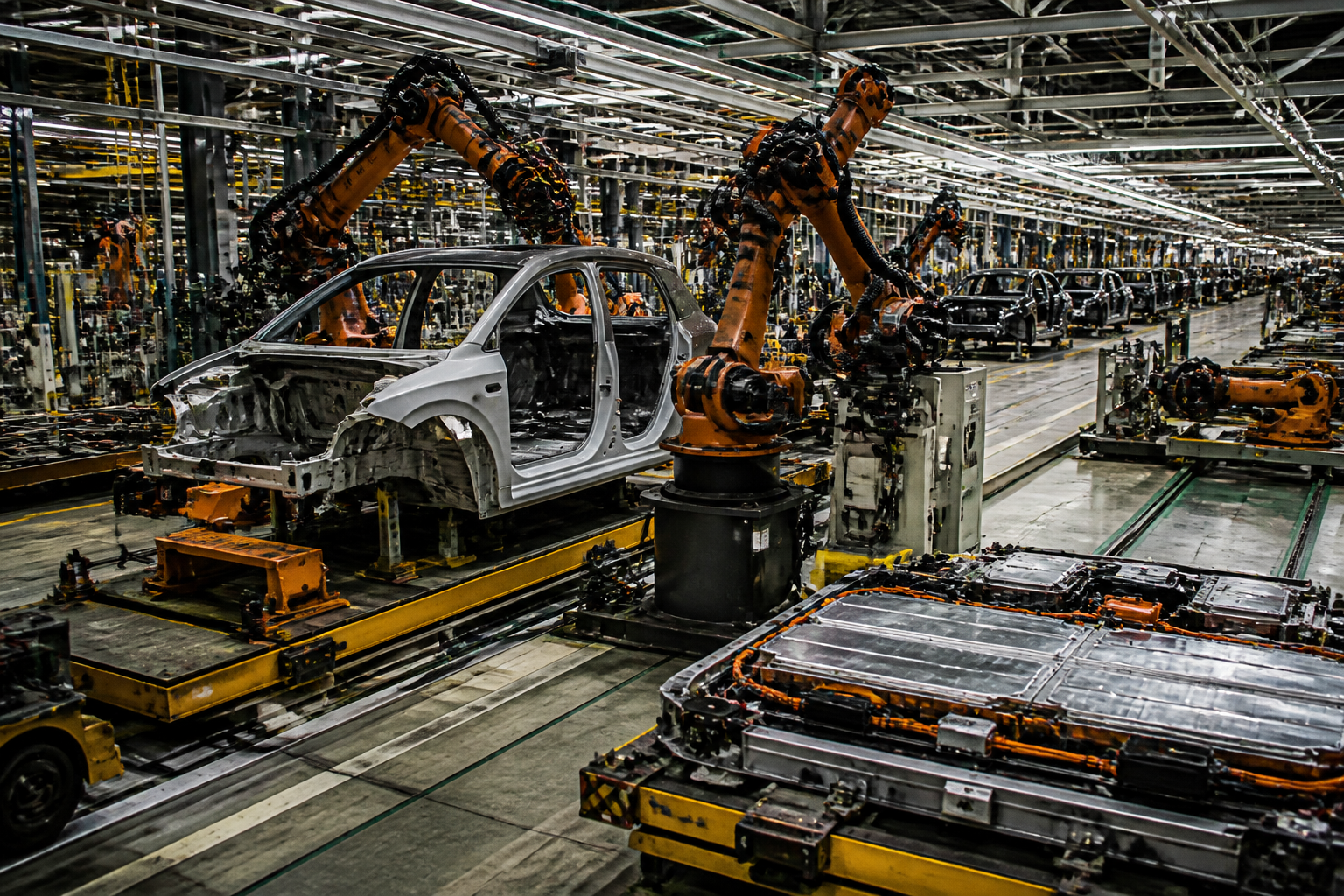
The ID. Polo goes on sale in Europe in April 2026 with a starting price under €25,000 (approximately $30,000). Higher-specification models arrive first, with the base variant following later in the year. Production takes place at the SEAT and Cupra facility in Martorell, Spain. Volkswagen has not announced plans to sell the ID. Polo in the United States.