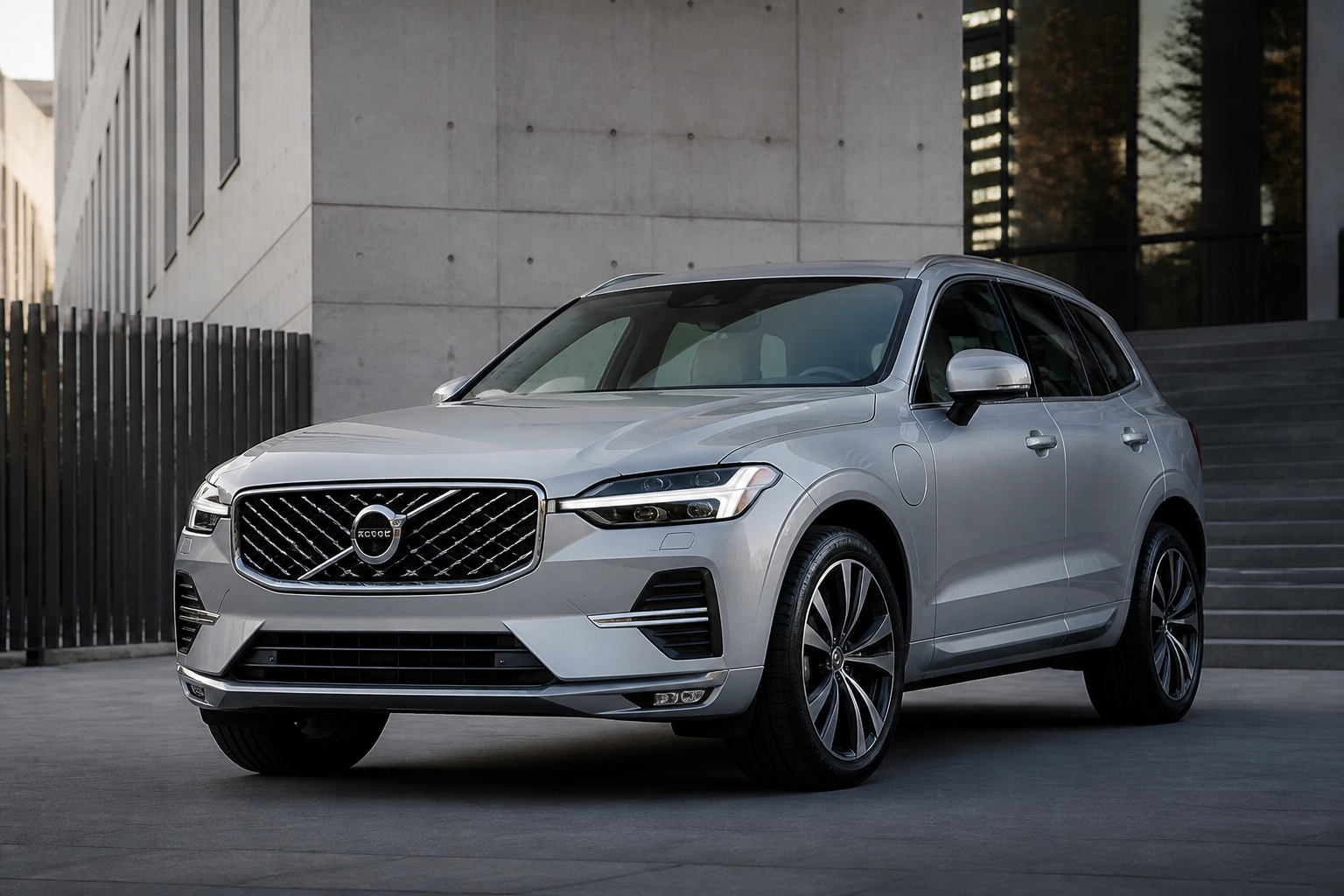
Electric vehicles are piling up on dealer lots across the country, with January inventory levels reaching their highest point in over a year. Dealers report that EVs are sitting an average of 82 days before selling, nearly double the 46-day average for gas-powered vehicles. The surplus spans multiple brands and price points, from affordable compact EVs to luxury electric SUVs, forcing dealers to offer steeper discounts and automakers to reconsider their production schedules. The inventory glut signals a growing disconnect between how many EVs are being produced and how many Americans are actually ready to buy them.
There was a time when EVs flew off dealer lots. During the height of gas price spikes in 2022, electric vehicles were selling above sticker price, and buyers had to get on waiting lists just for a chance to purchase. That frenzy has cooled considerably. Now, walk onto almost any dealership lot and you’ll see rows of electric vehicles with aging window stickers and increasingly aggressive sale tags. The shift has been dramatic, and dealers are feeling the squeeze.
According to data from automotive research firms, EV inventory levels increased by 38 percent in January compared to December 2024. Some brands are experiencing even more significant buildups. Ford has roughly 130 days of F-150 Lightning inventory sitting unsold, well above the industry standard of 60 days. Chevrolet dealers are reporting similar issues with the Blazer EV and Equinox EV, despite competitive pricing. Even luxury brands like Audi and BMW are seeing their electric models linger longer than expected.
The reasons behind the inventory surge are varied but interconnected. First, there’s the demand side. Many buyers remain hesitant about range anxiety, particularly in regions with sparse charging infrastructure. The upfront cost, even with federal tax credits, still puts many EVs out of reach for average consumers. Winter weather has also highlighted range limitations, with cold temperatures significantly reducing battery performance and making potential buyers think twice.
Then there’s the supply side. Automakers ramped up EV production based on overly optimistic forecasts, expecting exponential growth that hasn’t materialized. Factories retooled for electric vehicle assembly are now producing more units than the market can absorb. The result is a classic supply and demand imbalance, with inventory backing up at ports and rail yards before even reaching dealer lots.
Dealers themselves are caught in the middle. Many invested heavily in EV charging infrastructure, sales training, and service equipment at the urging of automakers. Now they’re stuck with expensive inventory that ties up capital and takes up valuable lot space. Floor plan financing, the loans dealers use to stock vehicles, becomes more costly the longer a car sits unsold. Some dealers have quietly told manufacturer reps they don’t want any more EV allocations until current stock moves.
For consumers, the silver lining is obvious. More inventory means better deals. Dealers are offering significant discounts, sometimes $5,000 to $10,000 off MSRP, to move electric vehicles. Lease deals have become particularly attractive, with some EVs available for under $300 per month. Manufacturers are also stacking incentives, combining rebates with loyalty bonuses and conquest offers to lure buyers away from competitors or their own gas vehicles.
The political landscape adds another layer of uncertainty. Changes to federal EV tax credit eligibility and ongoing debates about infrastructure funding have left some buyers waiting on the sidelines. The upcoming 2026 model year could bring revised incentive structures, and shoppers are hesitant to commit without knowing the full picture.
Automakers are responding in real time. Production slowdowns have already been announced at several EV plants. Ford has cut shifts at its Lightning facility, and GM has adjusted output schedules for multiple electric models. Some manufacturers are offering dealer incentives, essentially paying dealerships to stock and sell EVs even at reduced margins.
The inventory situation varies significantly by region. Coastal markets like California, Washington, and the Northeast still see relatively healthy EV turnover thanks to better charging networks and state-level incentives. But in the South and Midwest, where trucks and SUVs dominate and charging stations are fewer, EVs can sit for months. Dealers in these areas are particularly vocal about their inventory challenges.
Industry analysts predict the glut will continue through at least the first half of 2026 before supply and demand start to balance. That rebalancing will likely come from a combination of reduced production, improved charging infrastructure, and possible new incentive programs. In the meantime, dealers are stuck managing the overflow and hoping buyer attitudes shift before their lots overflow completely.
The message from dealer showrooms is clear. If you’ve been considering an EV, now might be the time to negotiate. Inventory is high, deals are plentiful, and sales staff are motivated. Just make sure the technology fits your actual driving needs and that charging infrastructure exists where you live and travel. The cars are ready. The question is whether enough buyers are ready for them.