Insurance Groups Flag Rising Repair Costs Linked to ADAS Sensors
A fender bender used to be exactly what it sounds like: a bent fender, maybe some scraped paint, a few hundred bucks at the body shop, and everyone moves on with their lives. Those days are disappearing fast. Insurance industry groups are raising alarms about the soaring cost of repairing modern vehicles equipped with advanced driver-assistance systems, and the numbers are starting to get everyone’s attention.
The problem isn’t the crumpled metal. It’s what’s hidden behind it. Today’s cars are loaded with cameras, radar modules, ultrasonic sensors, and sometimes lidar units tucked into bumpers, grilles, side mirrors, and windshields. A low-speed parking lot collision that would have been a minor inconvenience a decade ago can now trigger repair bills in the thousands, sometimes tens of thousands, because those sensors need to be replaced and recalibrated with expensive specialized equipment.
The Insurance Institute for Highway Safety released data last month showing that average collision repair costs for vehicles with front-facing cameras and radar have increased by roughly 37 percent compared to similar vehicles without those systems. The American Property Casualty Insurance Association has been even more blunt, calling ADAS-related repairs one of the primary drivers behind rising auto insurance premiums nationwide.
“We’re not talking about exotic supercars here,” said David Harmon, a senior policy analyst at the APCIA. “A mainstream family crossover with adaptive cruise control and automatic emergency braking can easily have $3,000 worth of sensors in the front bumper alone. Crack that bumper in a minor collision and you’re looking at replacement parts plus calibration that takes specialized tools and training. It adds up fast.”
The calibration piece is what catches many owners off guard. You can’t just bolt on a new radar unit and call it a day. These sensors need to be precisely aimed using either static targets in a controlled indoor environment or dynamic calibration involving driving the vehicle at specific speeds under specific conditions. Some systems require both. The equipment costs hundreds of thousands of dollars, which means many independent body shops simply can’t do the work. That funnels repairs to dealerships and certified collision centers, which typically charge more.
I talked to a body shop owner in Ohio last fall who told me he’d recently turned away three jobs in a single week because he couldn’t calibrate the systems involved. “I’ve been fixing cars for 30 years,” he said. “Now I’ve got customers showing up with a scraped bumper and I have to tell them I can’t help. It’s humbling, honestly.”
Windshields are another pain point. That front-facing camera behind your rearview mirror, the one that watches lane markings and reads speed limit signs, needs to be recalibrated whenever the windshield is replaced. A windshield that used to cost $300 to swap out might now run $1,200 or more once you factor in the camera work. Some owners have reported insurers pushing back on claims, questioning whether calibration was really necessary. It usually is.
The safety benefits of these systems are well documented. Automatic emergency braking alone has been shown to reduce rear-end crashes by roughly 50 percent. Lane-keeping assist, blind-spot monitoring, and adaptive cruise control have all contributed to making modern vehicles meaningfully safer than their predecessors. Nobody seriously argues we should go backward.
But there’s a growing tension between the upfront safety gains and the backend ownership costs. Insurance premiums have risen sharply over the past two years, and while inflation and supply chain issues deserve some blame, the ADAS repair question keeps coming up in industry discussions. Vehicles are safer until they get hit, and then they’re dramatically more expensive to fix.
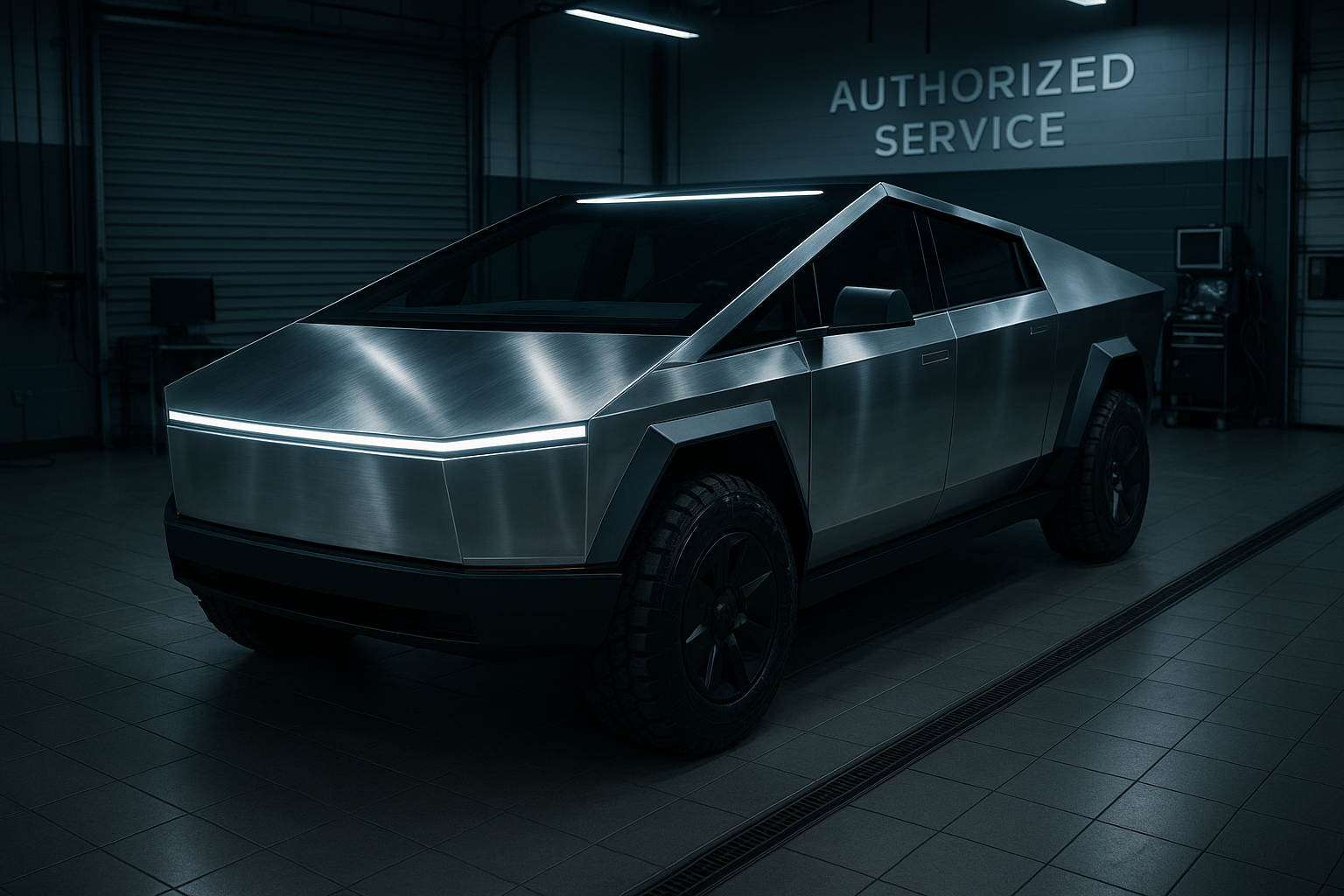
Automakers are aware of the issue, at least in theory. Some have started positioning sensors in less vulnerable locations or designing bumper covers that can be replaced without disturbing the hardware underneath. Tesla, despite its reputation for pricey repairs, has actually moved some sensor components inward to reduce exposure. Others haven’t been as proactive.
There’s also a training gap that nobody has fully solved. The Bureau of Labor Statistics estimates that the auto repair industry will need tens of thousands of additional technicians trained in ADAS calibration over the next decade just to keep up with the vehicles already on the road. Right now, demand far outpaces supply, which keeps labor rates high and wait times long.
For consumers, the advice is frustratingly simple: check your insurance coverage carefully, understand what your vehicle actually has built into it, and maybe be extra careful in parking lots. That backup camera and those parking sensors are wonderful until someone taps your bumper at three miles per hour and suddenly you’re out $4,500.
The technology isn’t going anywhere. If anything, vehicles are adding more sensors every year, not fewer. The industry will eventually adapt. More trained technicians, more accessible calibration tools, maybe smarter sensor placement. But for now, that minor fender bender isn’t so minor anymore. The car might barely look damaged. The repair bill will tell a different story.