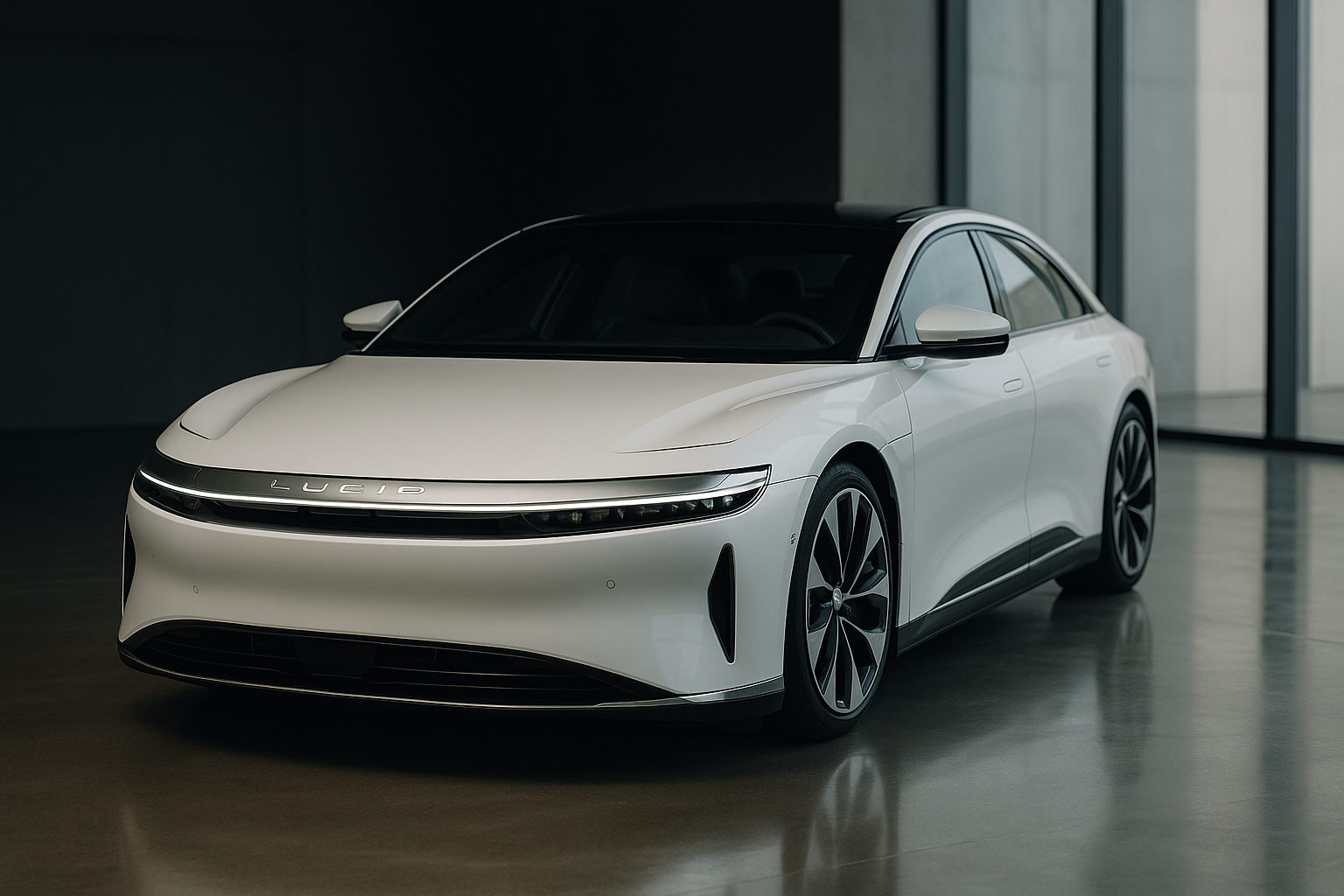
After months of aggressive discounting, automakers entered early 2026 expecting a rebound in electric vehicle demand. Sticker prices were lowered, incentives expanded, and financing deals improved. The surge never came.
Despite widespread price cuts across multiple EV models, U.S. demand has remained muted in the opening months of the year. Sales have stabilized in some regions, but the hoped for acceleration has largely failed to materialize, raising concerns about whether pricing alone can unlock the next phase of electric vehicle adoption.
Several major automakers reduced EV prices by thousands of dollars heading into 2026, particularly on models that had built up inventory during the second half of last year. Lease offers became more aggressive, and subsidized financing returned after a long absence. Even so, showroom traffic has been inconsistent, especially outside major metro areas.
Industry analysts point to affordability as only one part of the equation. While lower prices help, consumers continue to weigh broader ownership concerns such as charging access, insurance costs, resale values, and long term battery durability. For many buyers, particularly first time EV shoppers, those uncertainties still outweigh short term savings.
Interest rates remain another obstacle. Even with manufacturer backed incentives, borrowing costs for many buyers remain elevated compared with pre pandemic norms. Monthly payments, rather than sticker prices, continue to shape purchasing decisions, limiting the impact of headline price cuts.
Geography also plays a significant role. EV sales remain strongest in urban markets with dense charging networks and established adoption patterns. In suburban and rural regions, demand has shown little response to price reductions, reinforcing concerns that infrastructure gaps remain a fundamental constraint.
Automakers are beginning to acknowledge the limits of discount driven strategies. While price cuts have helped prevent steeper declines and move aging inventory, they have also pressured margins without delivering meaningful volume growth. Some manufacturers are now reassessing production targets and delaying future EV launches in favor of hybrids and extended range vehicles.
Dealers report that consumer expectations are shifting as well. After months of falling prices, many shoppers are choosing to wait, anticipating further discounts or newer models. That dynamic has made it harder for automakers to regain pricing discipline while simultaneously stimulating demand.
The early 2026 slowdown does not signal the end of electric vehicles, but it does highlight the complexity of the transition. Adoption appears to be entering a more deliberate phase, one shaped less by incentives and more by practical considerations such as infrastructure readiness, product variety, and total cost of ownership.
For now, the message from the market is clear. Lower prices alone are not enough. Until broader barriers are addressed, EV demand is likely to grow gradually rather than surge, even in the face of aggressive discounting.