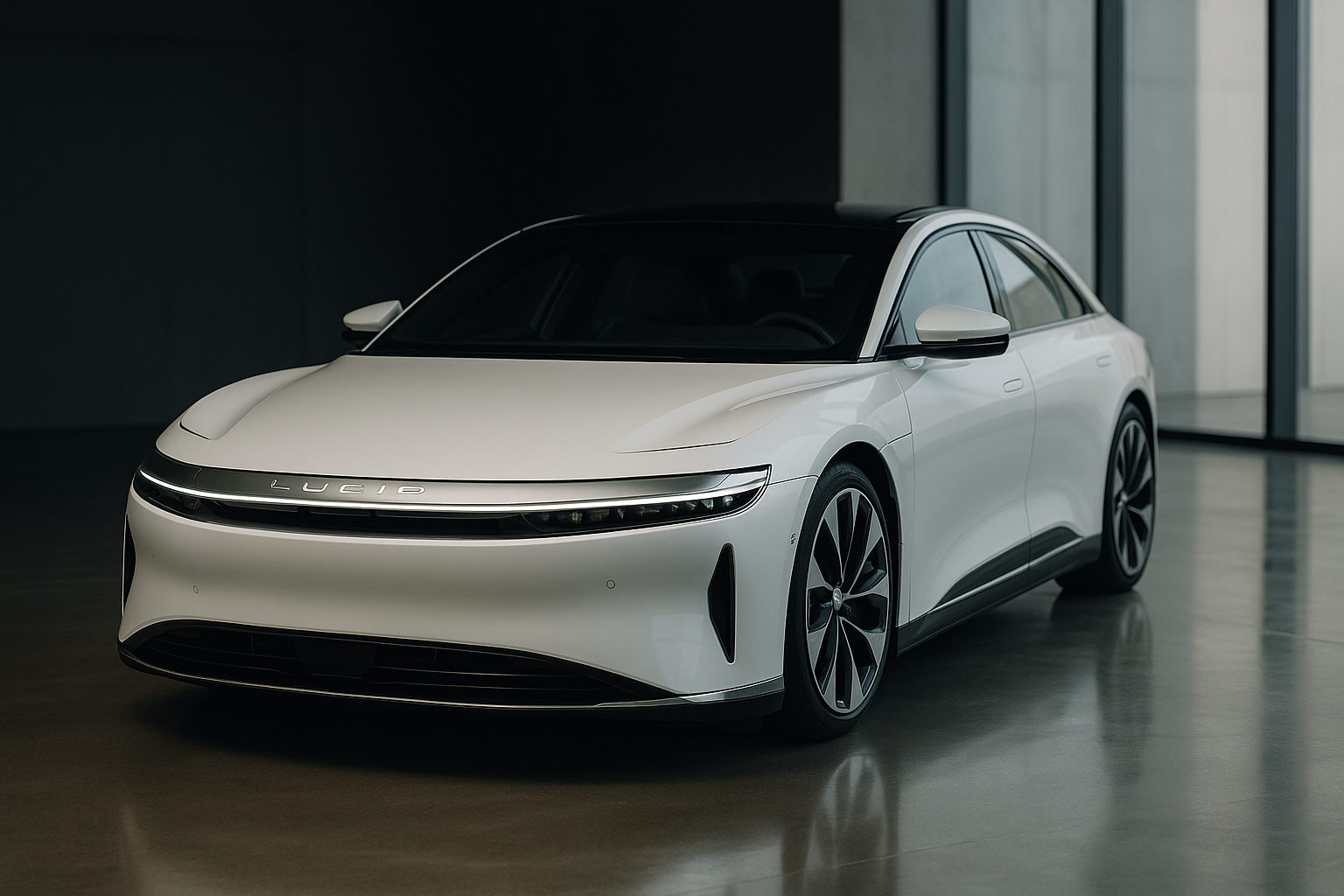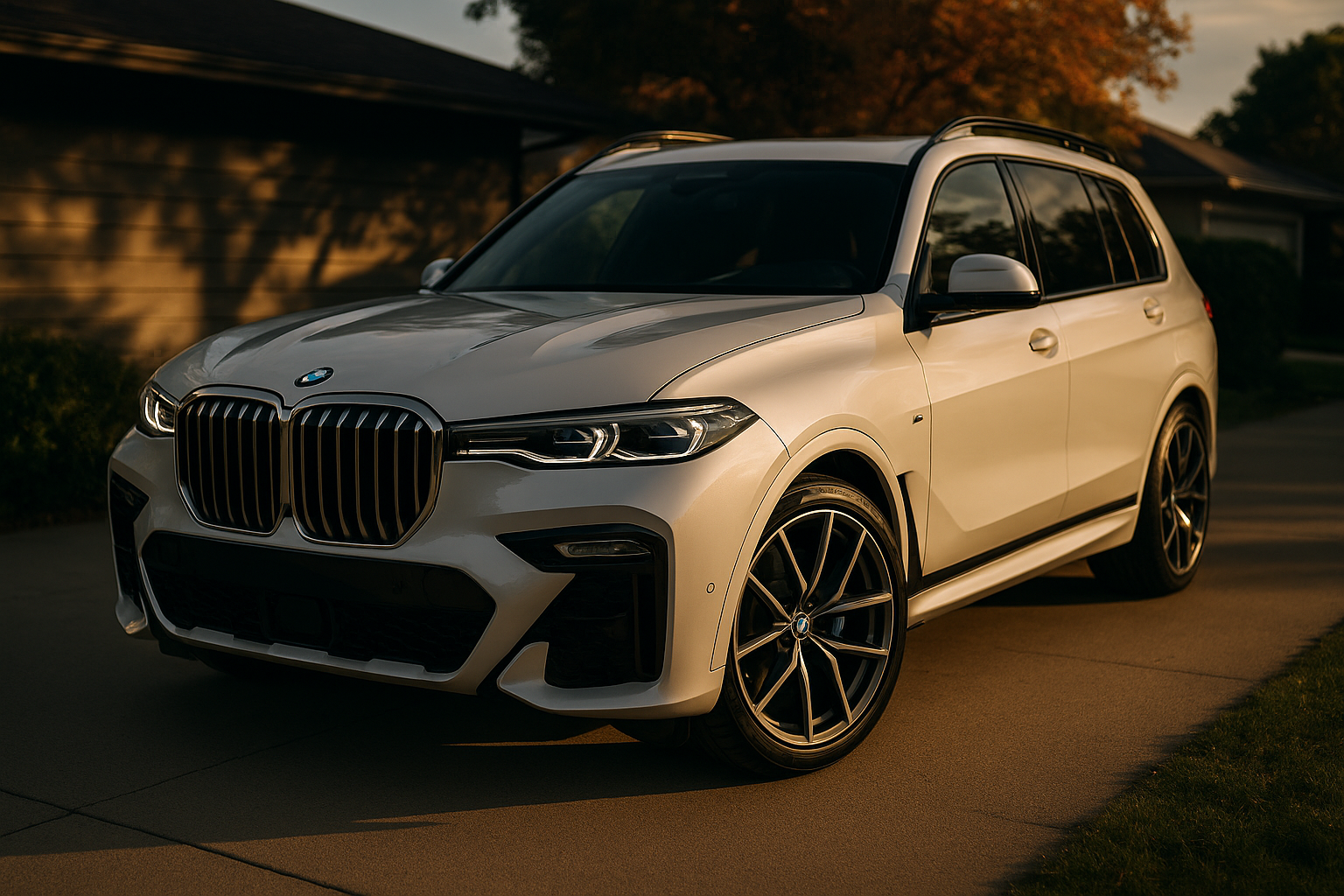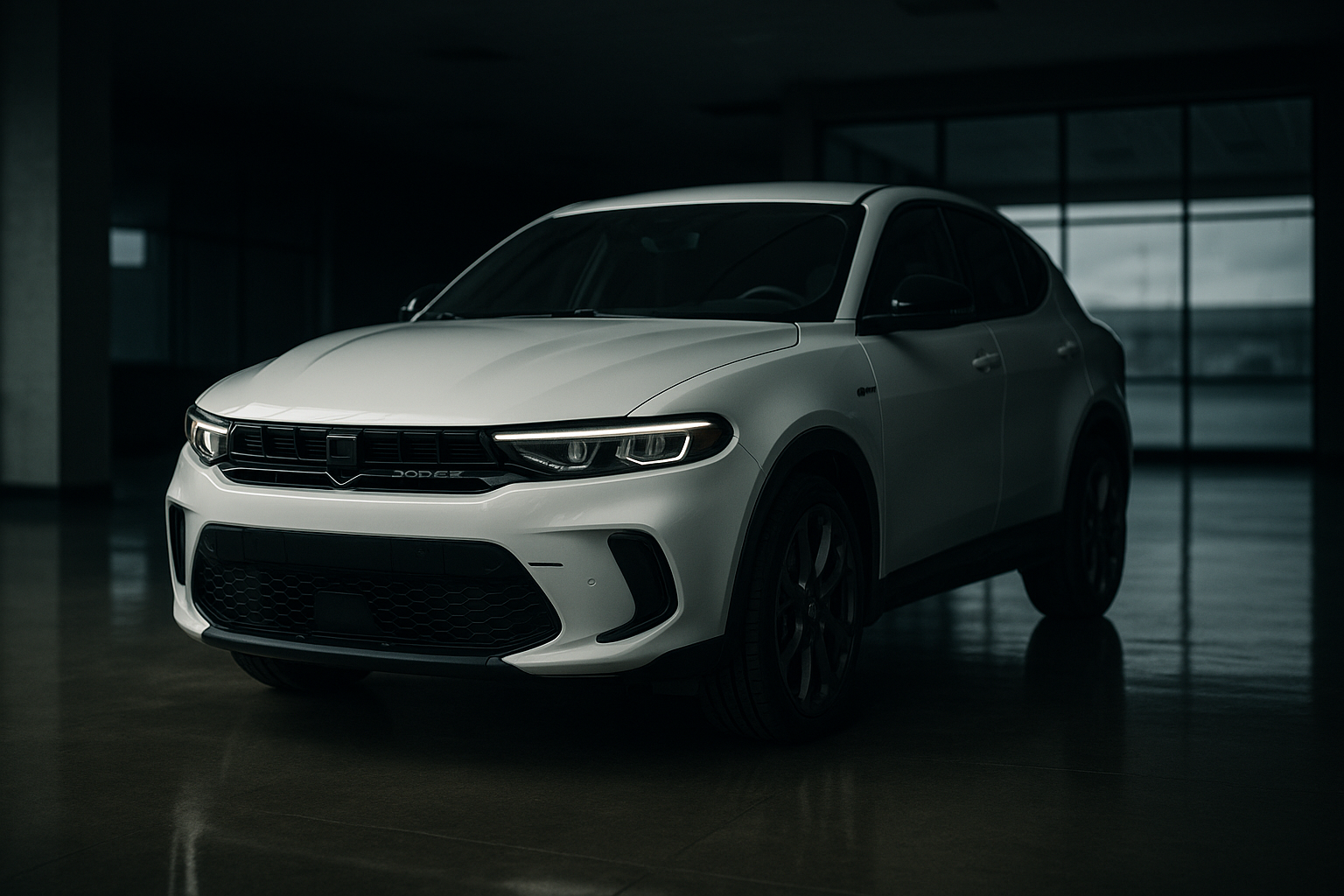
Luxury vehicle sales in the United States are slowing as buyers grow more cautious about making high value purchases. While demand has not collapsed, momentum has clearly softened as economic uncertainty and elevated borrowing costs influence consumer behavior at the upper end of the market.
Dealers report longer decision cycles and fewer impulse purchases among luxury shoppers. Buyers who might have upgraded vehicles every few years are increasingly choosing to wait, extend current leases, or hold onto existing vehicles rather than commit to a new high priced purchase.
Interest rates remain a central factor. Even affluent buyers are paying closer attention to financing terms, and higher monthly payments are prompting reassessment. While luxury buyers are less sensitive to price than mainstream consumers, the jump in borrowing costs has made even premium purchases feel less urgent.
Inventory dynamics are also shifting. After years of constrained supply, luxury brands now have more vehicles on dealer lots. That availability has removed the urgency that once drove quick buying decisions. With no shortage pressure, consumers feel comfortable delaying purchases in anticipation of better incentives or refreshed models.
Luxury automakers are responding cautiously. Rather than aggressively cutting prices, many brands are leaning on selective incentives such as lease support, loyalty programs, and limited financing offers. Protecting brand perception and resale values remains a priority, even as sales volumes soften.
Model mix plays a role as well. Higher priced trims and performance variants are seeing slower turnover compared with entry level luxury models. Buyers appear more willing to compromise on features or choose smaller vehicles to manage costs while remaining within premium brands.
Electric luxury vehicles face additional challenges. High prices combined with uncertainty around charging infrastructure and long term value have limited demand growth. Some buyers are opting for traditional gas or hybrid luxury models instead, further contributing to uneven sales performance.
Industry analysts view the slowdown as a pause rather than a reversal. Luxury demand tends to be more resilient over long periods, but it is not immune to economic signals. Delayed purchases today may translate into pent up demand if conditions improve.
For now, the luxury segment reflects a broader shift toward caution. Buyers are still interested, but they are taking more time, asking more questions, and waiting for clearer signals before making large financial commitments.