Automakers are increasing their focus on entry level models as a way to protect sales volume in a market shaped by affordability pressure and cautious consumer behavior. With higher interest rates and elevated vehicle prices limiting buying power, lower priced vehicles are becoming critical to sustaining demand.
Executives across the industry say entry level models are no longer viewed as niche or secondary products. Instead, they are increasingly central to volume strategy, serving first time buyers, budget conscious households, and customers delaying upgrades from older vehicles.
The shift reflects how consumers are shopping. Many buyers are prioritizing monthly payments over features, opting for smaller vehicles, base trims, or simpler configurations. Automakers are responding by streamlining options, reducing complexity, and placing greater emphasis on value oriented design.
Entry level does not necessarily mean stripped down. Manufacturers are selectively including safety and connectivity features while avoiding costly hardware that drives prices higher. Software based upgrades and optional packages allow automakers to keep base pricing competitive while preserving upsell opportunities.
Powertrain strategy plays a role as well. Gasoline engines and hybrids dominate the entry segment, offering lower upfront costs and familiar ownership experiences. While electric vehicles remain part of long term plans, automakers acknowledge that price remains a significant barrier at the lower end of the market.
Production planning is being adjusted accordingly. Automakers are allocating more capacity to smaller vehicles and affordable trims while reducing emphasis on low volume premium variants. This helps stabilize factory utilization and reduces the risk of excess inventory.
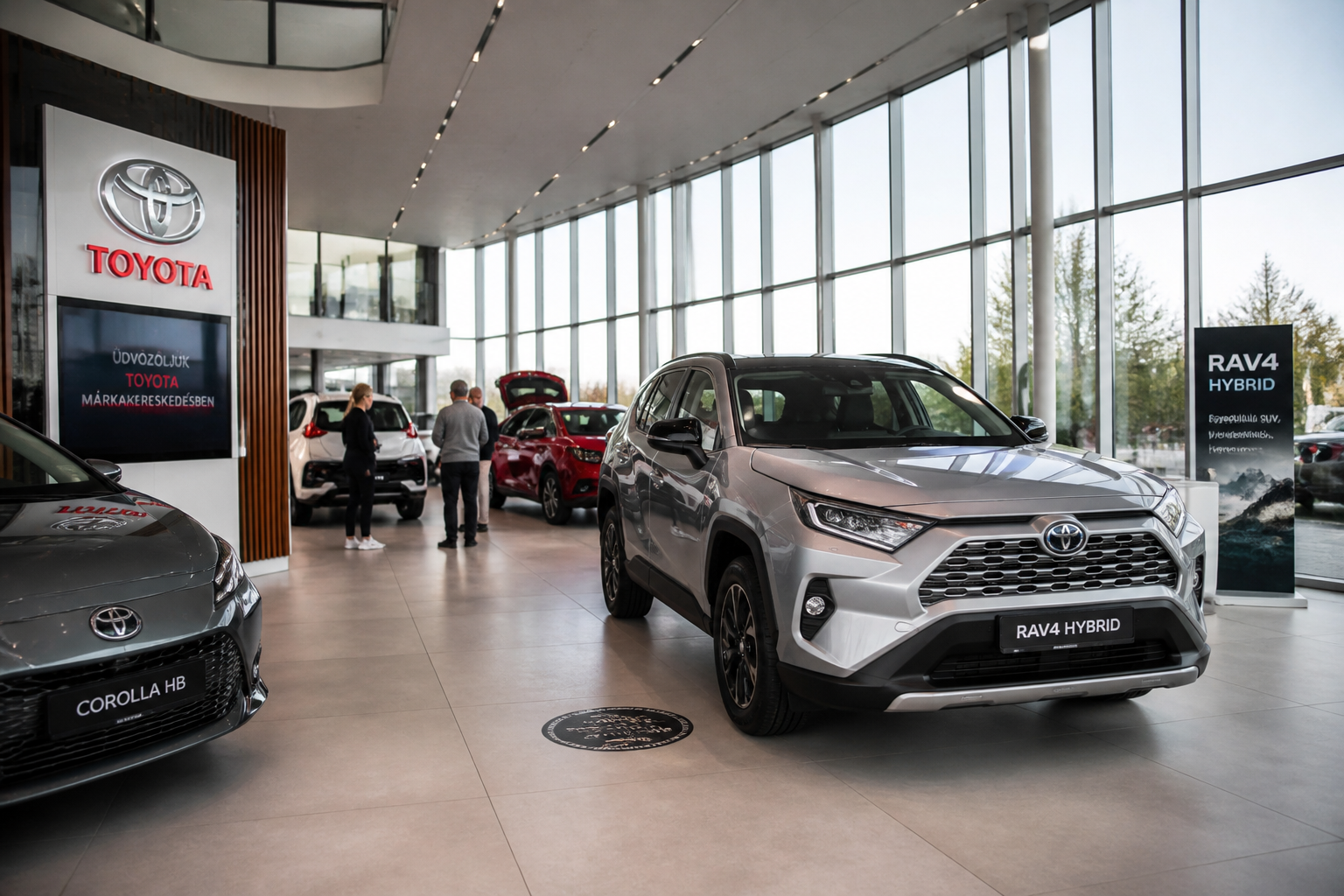
Dealers are seeing the impact on the showroom floor. Entry level models are turning faster and often require less incentive support than higher priced vehicles. For retailers, these models help maintain traffic and broaden the customer base during periods of demand uncertainty.
The strategy also reflects competitive pressure. As more brands chase a limited pool of high income buyers, automakers are looking to defend share in the mass market. Entry level vehicles provide a way to stay relevant to a wider audience without relying solely on incentives.
Industry analysts describe the move as pragmatic. Protecting volume through affordable models helps maintain scale, supplier stability, and brand presence. It also positions automakers to benefit quickly if economic conditions improve.
As the auto industry moves deeper into 2026, the renewed focus on entry level vehicles underscores a broader shift. Growth is no longer driven by premium expansion alone. In a market defined by caution, affordability is becoming a strategic advantage.