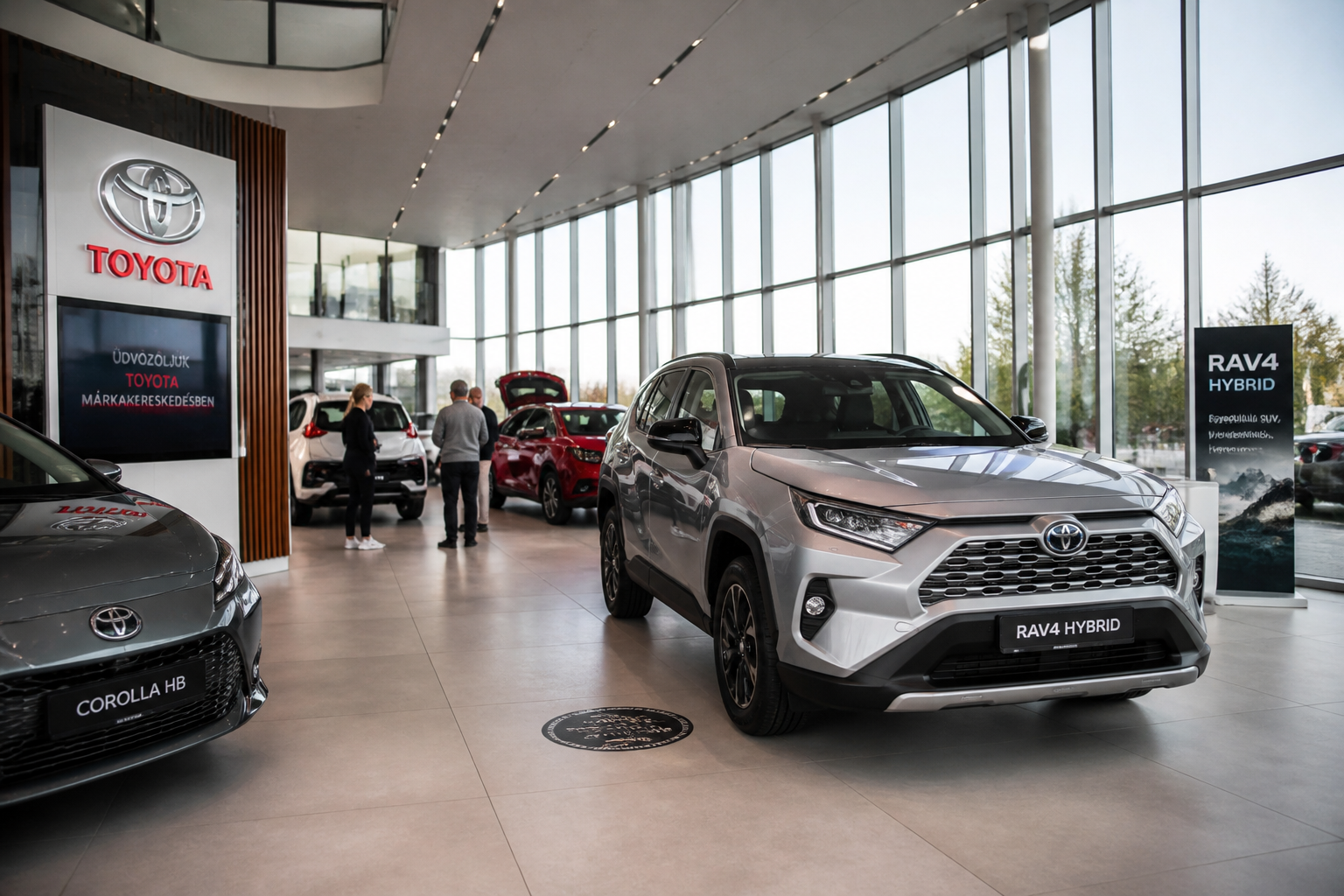
The U.S. compact SUV segment is facing growing price sensitivity in 2026 as buyers respond more cautiously to rising ownership costs and elevated financing rates. Once one of the most resilient and fastest growing categories in the market, compact crossovers are now encountering more deliberate purchasing behavior.
Compact SUVs remain among the highest volume segments in the United States, but transaction price growth has outpaced income gains in recent years. With interest rates still elevated, monthly payment calculations are influencing buyer decisions more directly than before.
Manufacturers such as Toyota, Honda, and Ford have introduced updated compact SUV models with expanded technology and safety features. However, added content has also contributed to higher sticker prices in many trims.
Dealers report that shoppers are increasingly gravitating toward base and mid level configurations rather than premium packages. Feature prioritization is shifting toward practicality, fuel efficiency, and total cost of ownership.
Hybrid variants within the compact SUV category continue to gain traction. While priced slightly above traditional gasoline models, they offer fuel savings that appeal to cost conscious consumers over longer ownership horizons.
Incentive activity has become more targeted. Automakers are using financing support and selective rebates to maintain volume without resorting to broad discounting.
Used compact SUVs are also experiencing stronger attention. Some buyers are choosing late model pre owned vehicles to manage monthly payments, narrowing the price gap between new and used inventory.
Regional dynamics are playing a role. Urban and suburban markets remain core demand centers for compact SUVs, but price sensitivity is more pronounced in areas where cost of living pressures are higher.
Analysts note that the segment is not contracting, but growth rates have moderated. Compact SUVs still represent a balanced blend of utility and efficiency, yet affordability thresholds are being tested.
Insurance costs and repair complexity have also increased in recent years, adding to overall ownership expenses. Buyers are factoring these variables into purchase decisions more carefully.
Automakers are responding by refining trim strategies and exploring cost efficient platform updates rather than complete redesigns. Maintaining competitive starting prices is becoming central to sustaining demand.
The compact SUV segment remains foundational to U.S. vehicle sales. However, in a normalized market environment, consumer sensitivity to price is reshaping product mix and marketing approaches.
As 2026 progresses, the segment’s performance will depend on automakers’ ability to balance feature content with affordability. In a category built on versatility and value, maintaining accessible pricing may be the defining challenge.