Automakers are increasing investment in next-generation vehicle lighting technologies as part of broader efforts to improve road safety, enhance vehicle design, and introduce new driver assistance features. Advances in lighting systems are enabling manufacturers to create more adaptive, energy-efficient, and intelligent lighting solutions for modern vehicles.
Traditional automotive lighting has evolved significantly over the past decade, moving from halogen bulbs to advanced LED systems that offer improved brightness, longer lifespan, and lower energy consumption. Today, manufacturers are exploring even more sophisticated lighting technologies that can adapt dynamically to changing road and driving conditions.
Companies such as Audi, BMW Group, Mercedes-Benz Group, and Toyota Motor Corporation are actively developing advanced lighting systems designed to improve nighttime visibility and overall driving safety.
One area of innovation involves adaptive headlight systems that automatically adjust beam patterns based on vehicle speed, steering angle, and surrounding traffic. These systems can illuminate curves more effectively and reduce glare for oncoming drivers.
Another emerging technology is matrix LED lighting, which allows headlights to selectively dim specific portions of the light beam when other vehicles are detected. This enables drivers to keep high beams active while preventing glare that could affect nearby drivers.
Some manufacturers are also experimenting with digital lighting systems that can project symbols or guidance patterns directly onto the road surface. These projections may help drivers navigate construction zones, indicate turning directions, or warn pedestrians and cyclists of an approaching vehicle.
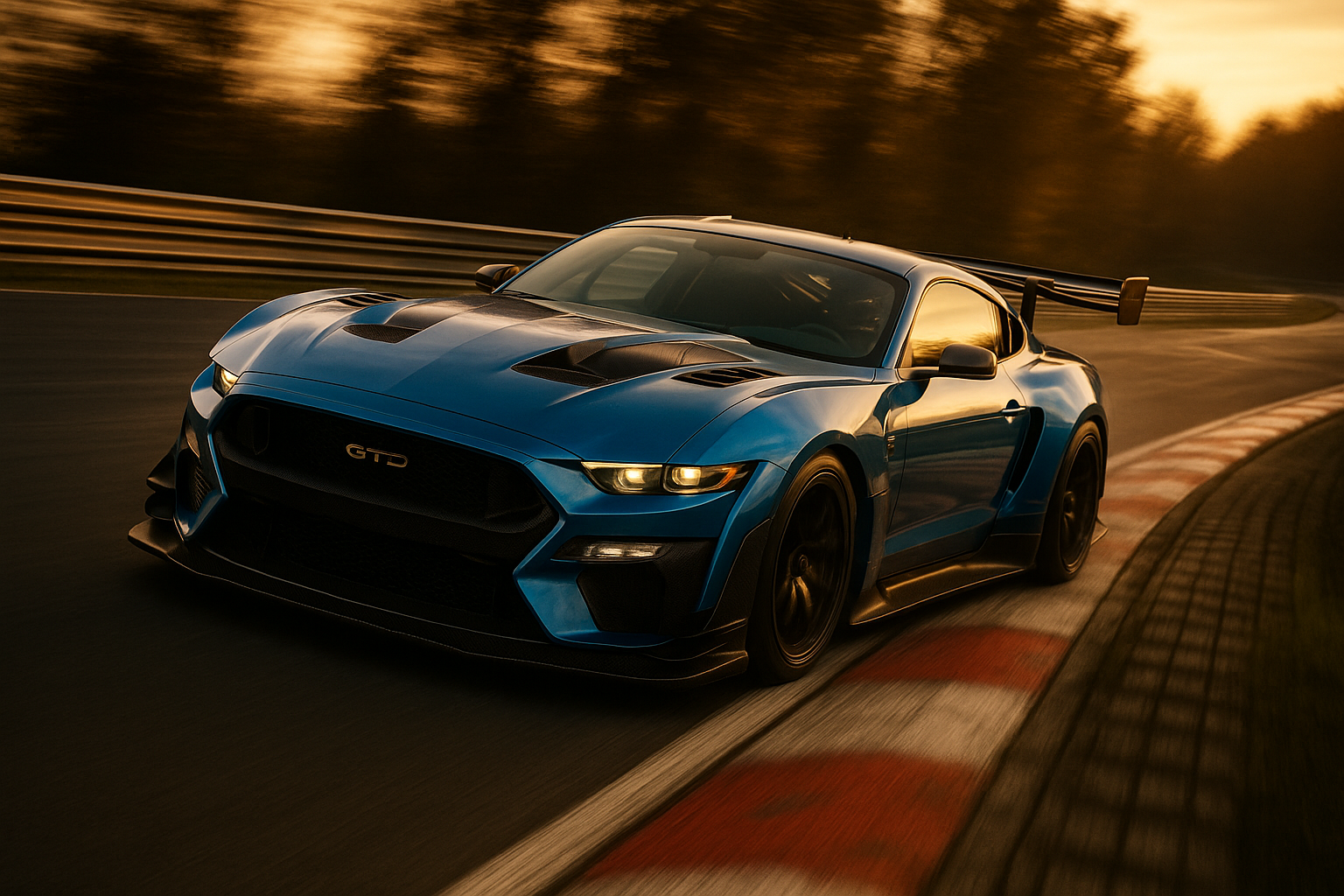
Laser lighting technology is also being explored for high-performance applications. Laser-based headlights can produce extremely bright and focused light beams that extend visibility over longer distances compared with traditional lighting systems.
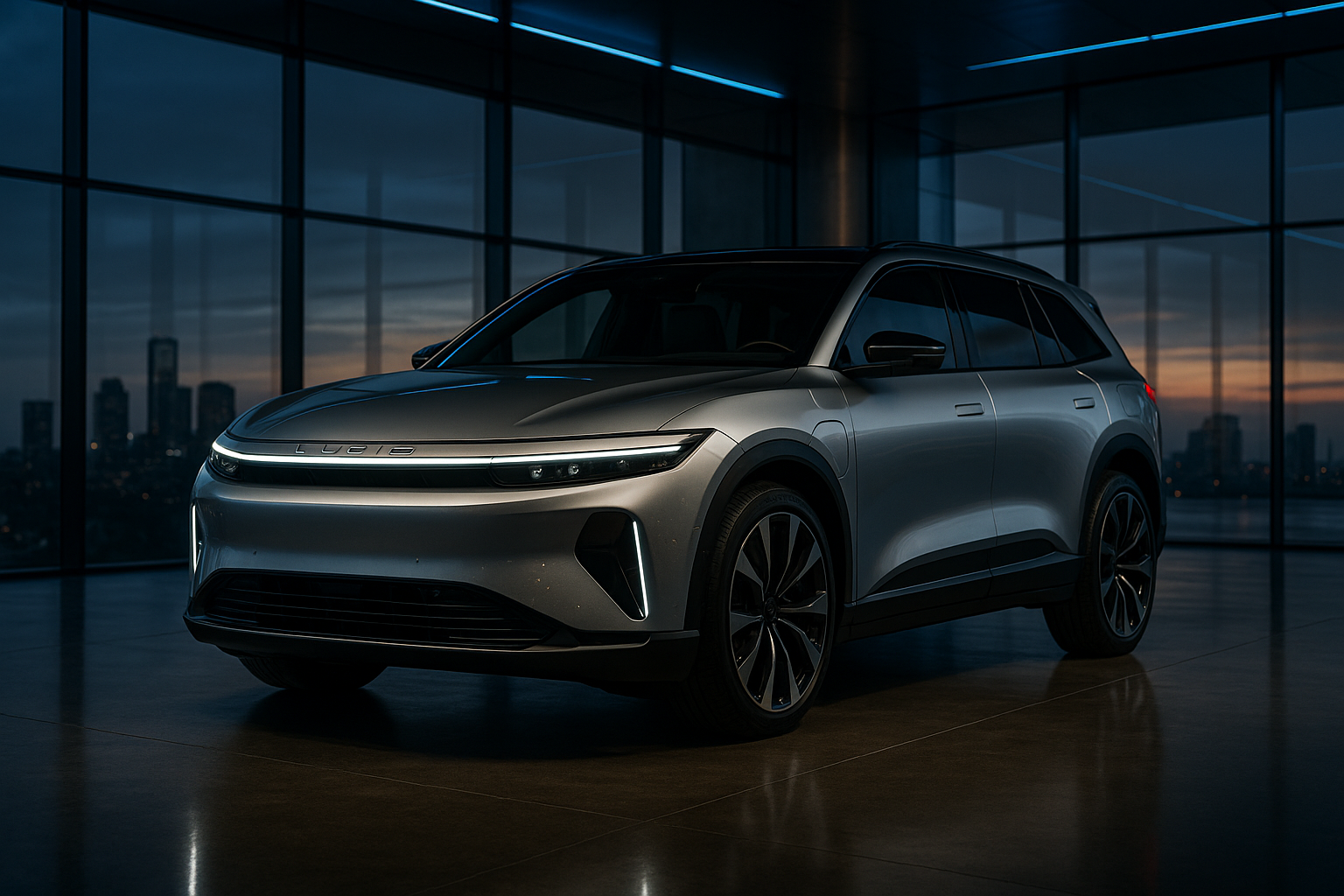
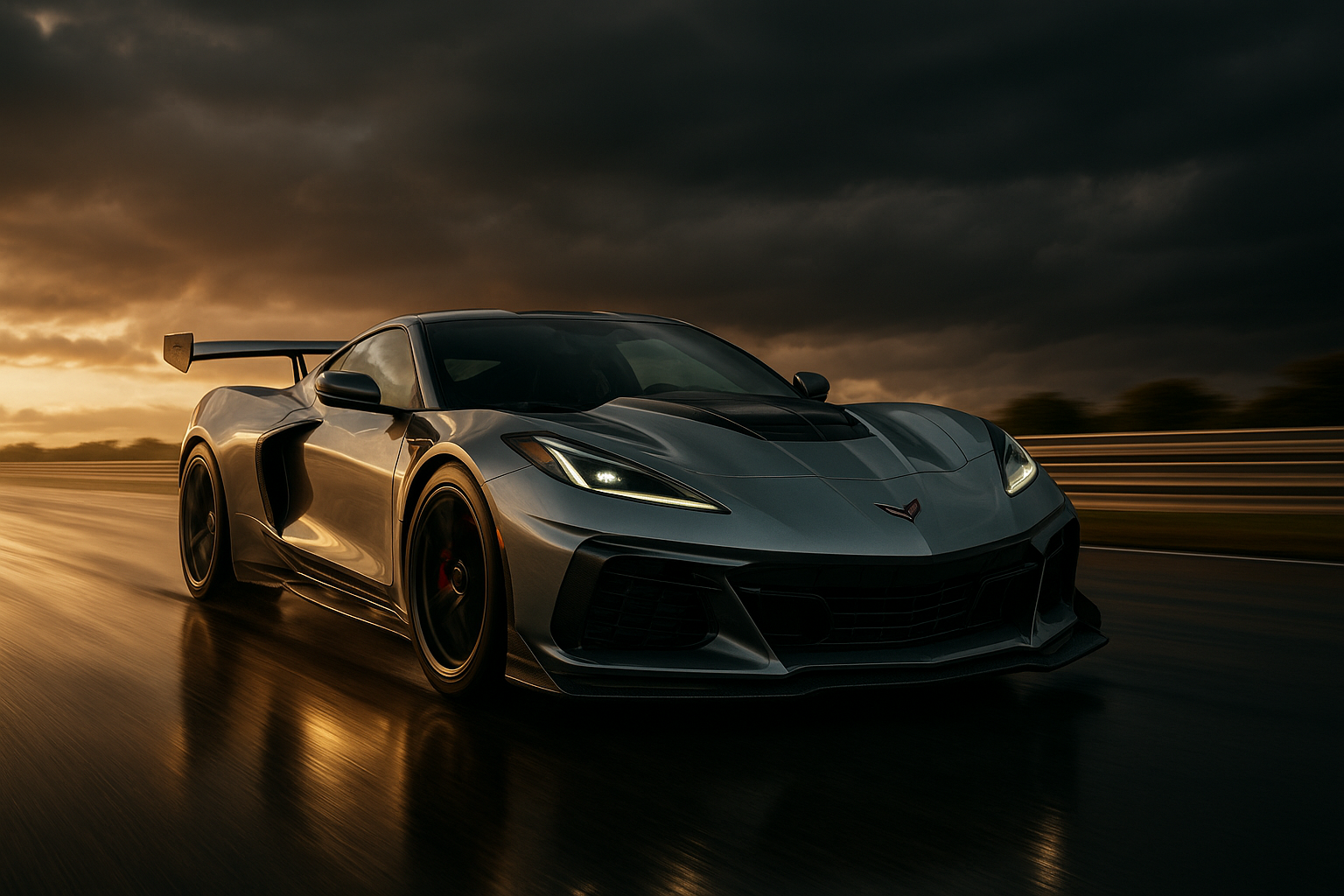
In addition to functionality, lighting design is becoming an increasingly important element of vehicle styling. Distinctive LED light signatures are now used by automakers as part of their brand identity, helping vehicles remain recognizable even at night.
Lighting systems are also being integrated with advanced driver assistance technologies. Sensors and cameras can work alongside adaptive lighting systems to optimize visibility based on road conditions, weather, and surrounding traffic.
Industry analysts note that as vehicles incorporate more automated driving features, lighting systems may also play a role in communicating vehicle intentions to other road users, such as pedestrians and cyclists.
As research and development in automotive lighting continues, next-generation lighting technologies are expected to become more widely available across both premium and mainstream vehicle segments.