General Motors just dropped the automotive equivalent of a nuclear bomb. The 2025 Chevrolet Corvette ZR1 has officially been unveiled, and its numbers are absolutely staggering. With 1,064 horsepower and 828 lb-ft of torque from its new LT7 twin-turbo V8, this isn’t just America’s supercar—it’s a hypercar killer that costs a fraction of European rivals.
The LT7 Engine: Engineering Marvel
At the heart of this beast lies the hand-built LT7, a 5.5-liter flat-plane crank V8 that represents the pinnacle of American engine development. Unlike the naturally aspirated LT6 in the Z06, the LT7 features twin turbochargers that push this powerplant into hypercar territory.
The engineering team at GM didn’t just bolt on turbos and call it a day. The LT7 features:
- Forged aluminum pistons designed to handle extreme cylinder pressures
- Titanium connecting rods that reduce reciprocating mass
- Advanced cooling systems with multiple heat exchangers
- Variable valve timing optimized for both low-end torque and high-rpm power
Performance Numbers That Redefine American Muscle
The Corvette ZR1 performance figures read like something from a video game. GM claims a 0-60 mph time of just 2.3 seconds, with the quarter-mile dispatched in under 10 seconds. Top speed is projected to exceed 215 mph, making this the fastest production Corvette ever built.
What makes these numbers even more impressive is the ZR1’s starting price of approximately $175,000. That’s hypercar performance for significantly less money than European alternatives like the McLaren 720S or Lamborghini Aventador.
Aerodynamic Wizardry and Track-Focused Design
The ZR1 doesn’t just rely on brute force. Chevrolet’s aerodynamics team developed an active rear wing system that can adjust on the fly, optimizing downforce for different driving conditions. The front splitter is more aggressive than the Z06, while new side skirts help channel airflow around the wider rear tires.
Carbon fiber construction keeps weight in check despite the added complexity of the turbo system. The ZR1 tips the scales at just 3,670 pounds, giving it a power-to-weight ratio that embarrasses cars costing three times as much.
Interior Upgrades Match the Performance
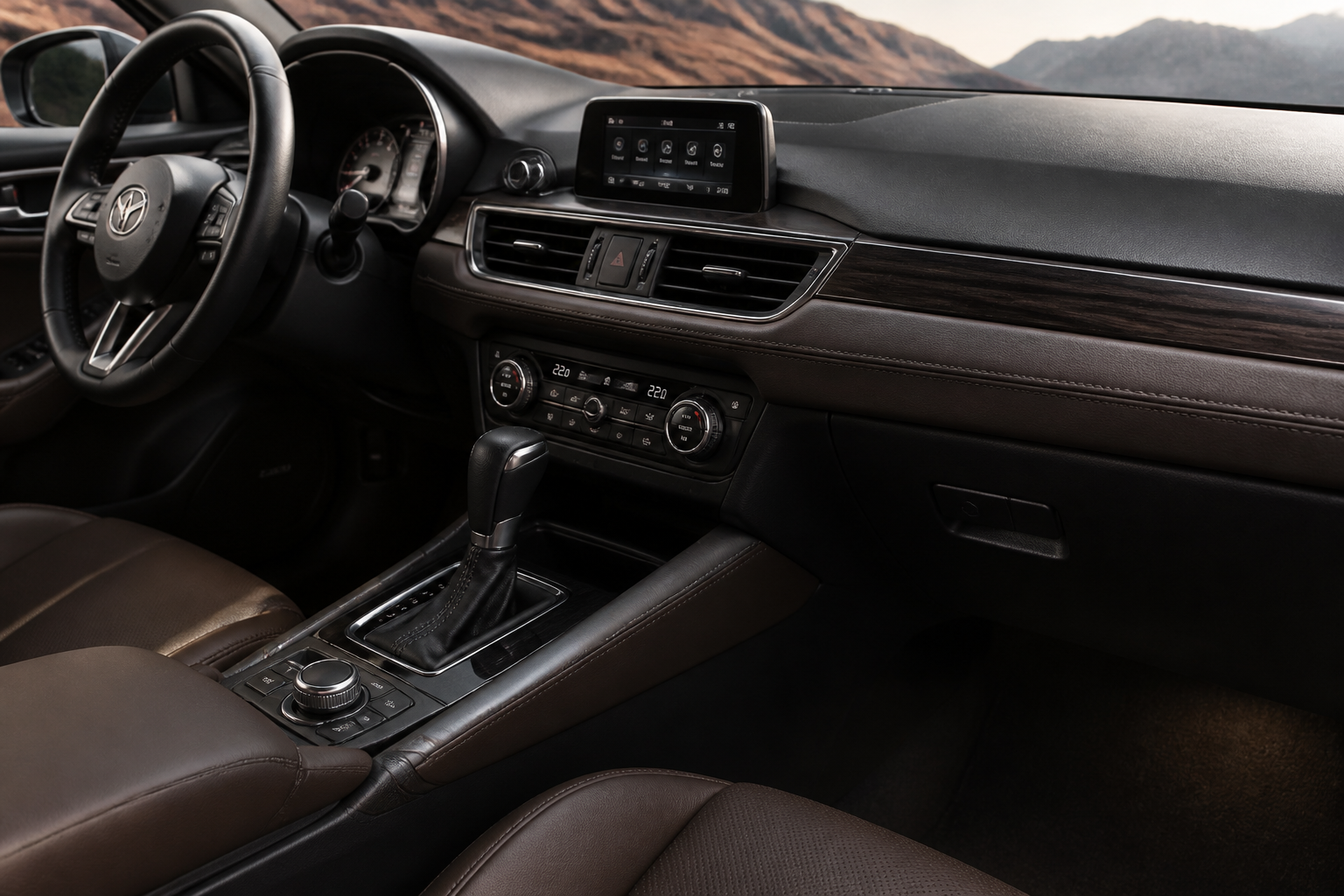
Inside, the ZR1 receives unique appointments that distinguish it from lesser Corvettes. Carbon fiber racing seats with integrated harness pass-throughs come standard, while the instrument cluster features ZR1-specific graphics and a boost gauge prominently displayed.
The steering wheel incorporates additional drive mode selections, including a Track mode specifically calibrated for the ZR1’s enhanced capabilities. Even the sound system has been retuned to account for the different acoustic properties of the twin-turbo engine.
Market Impact and Competition Analysis
This Corvette ZR1 announcement sends shockwaves through the supercar segment. European manufacturers who have long dismissed American sports cars as crude muscle machines now face a legitimate threat that combines raw power with sophisticated engineering.
The ZR1’s pricing strategy is particularly aggressive. At $175,000, it undercuts the Porsche 911 Turbo S by nearly $50,000 while delivering significantly more power. Against exotics from Ferrari or McLaren, the value proposition becomes even more compelling.
Production Timeline and Availability
Chevrolet plans to begin ZR1 production in late 2024, with customer deliveries starting in early 2025. Initial production will be limited, with GM indicating that fewer than 3,000 units will be built in the first year.
Given the anticipated demand and limited production numbers, dealers are already taking deposits. Industry insiders suggest that allocation will be extremely tight, with many customers facing wait times of 12-18 months.
The 2025 Corvette ZR1 represents more than just another fast car—it’s a statement that American automotive engineering can compete with anyone, anywhere, at any price point. With over 1,000 horsepower on tap and a price tag that undercuts the competition, this ZR1 might just redefine what we expect from a supercar.