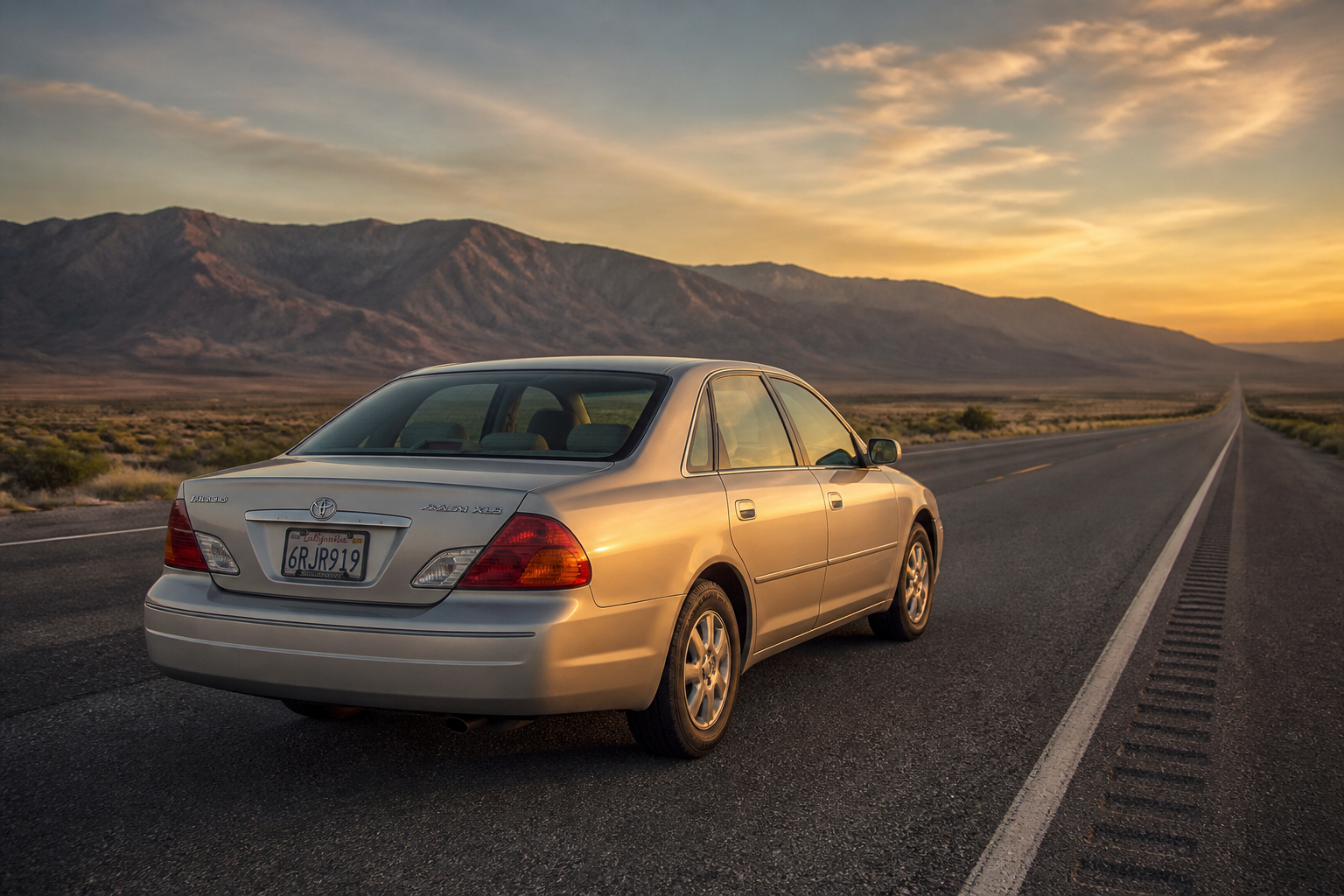
How Car Depreciation Works
Depreciation is the single biggest cost of car ownership — bigger than gas, insurance, or maintenance for most drivers. A new car loses roughly 20% of its value the moment you drive it off the lot, and continues to drop 10–15% every year after that.
By the time a car is 5 years old, it has typically lost 50–60% of its original purchase price. On a $35,000 vehicle, that's $17,500–$21,000 in value simply evaporated.
Cars That Hold Their Value Best (2026)
| Vehicle | 5-Year Depreciation | Value Retained | Category |
| Toyota Tacoma | ~20% | ~80% | Pickup Truck |
| Jeep Wrangler | ~22% | ~78% | Off-Road SUV |
| Toyota 4Runner | ~26% | ~74% | Mid-Size SUV |
| Subaru Outback | ~32% | ~68% | Crossover |
| Honda Civic | ~35% | ~65% | Compact Sedan |
| Ford F-150 | ~36% | ~64% | Full-Size Truck |
Cars That Lose Value Fastest (2026)
| Vehicle | 5-Year Depreciation | Value Retained | Category |
| BMW 7 Series | ~67% | ~33% | Luxury Sedan |
| Mercedes S-Class | ~65% | ~35% | Luxury Sedan |
| Nissan Leaf | ~62% | ~38% | Electric |
| Chevy Bolt EV | ~58% | ~42% | Electric |
| Volvo S90 | ~57% | ~43% | Luxury Sedan |
| Lincoln Continental | ~55% | ~45% | Luxury Sedan |
Source: iSeeCars, CarEdge depreciation studies 2025–2026. Values are approximate averages.
The Depreciation Sweet Spot — Best Time to Buy Used
The steepest depreciation hits in years 1 and 2, when a car loses 20–30% of its value. By buying a 2–3 year old certified pre-owned car, you let someone else absorb that initial drop while still getting a nearly-new vehicle with most of its useful life remaining.
For example, a $45,000 Toyota Camry purchased new will be worth roughly $30,000 after 2 years — you save $15,000 buying used while getting essentially the same car.
Factors That Affect Car Depreciation
- Brand reputation: Toyota and Honda depreciate slowest due to proven reliability. Luxury German brands depreciate fastest.
- Mileage: Every 10,000 miles above the 12,000/year average reduces resale value by $500–$1,500 depending on the car.
- Color: White, black, and silver retain value best. Unusual colors like yellow or brown depreciate faster.
- Condition & service records: A car with full service history can be worth 10–15% more than one without.
- Market demand: Trucks and SUVs hold value better than sedans in the current US market.
- Fuel type: EV depreciation varies wildly — Teslas hold value well, while other EVs can lose 50%+ in 3 years as battery technology advances.
- Number of owners: Single-owner vehicles fetch a premium at resale over two or three-owner cars.
Frequently Asked Questions
How much does a car depreciate per year?
A new car loses about 15–25% of its value in the first year, largely because the "new car" premium disappears the moment it's titled. After year one, depreciation slows to roughly 10–15% per year. After 5 years, most cars have lost 50–60% of their original value.
Which cars depreciate the least?
Toyota Tacoma, Jeep Wrangler, Toyota 4Runner, Ford F-150, and Honda Civic consistently hold their value best, losing less than 35% over 5 years. These vehicles have strong demand, proven reliability, and limited supply — especially the Tacoma and Wrangler which often sell above MSRP.
Is it better to buy a new or 3-year-old car financially?
From a pure financial standpoint, a 2–3 year old car is almost always better. You avoid the initial 20–30% value drop while still getting a relatively new vehicle. A 3-year-old car typically has 35,000–40,000 miles, is still under powertrain warranty, and can be 25–35% cheaper than its new equivalent.
How do I reduce my car's depreciation?
Keep mileage under the 12,000/year average, maintain a complete service record, avoid modifications, keep the exterior and interior in excellent condition, choose popular colors (white, black, silver), and if buying new, choose a brand with historically strong resale values like Toyota, Honda, or Subaru.
Do electric cars depreciate faster than gas cars?
Currently, yes — most EVs depreciate faster than comparable gas vehicles, largely because battery technology is improving rapidly, making older EVs less desirable. Exceptions include Tesla Model 3 and Model Y which hold value well. The Nissan Leaf and Chevy Bolt EV have historically been among the fastest-depreciating vehicles on the market.