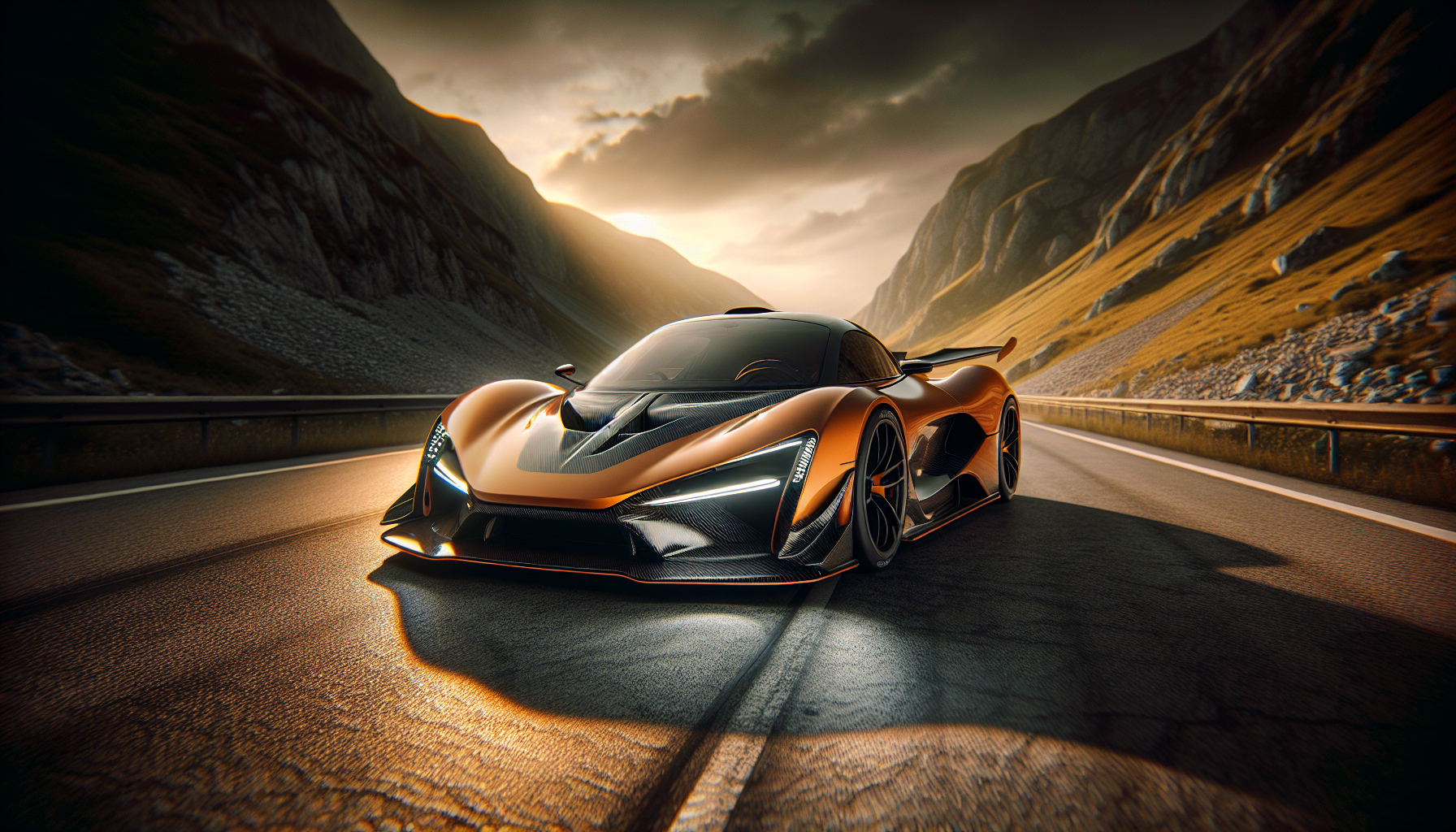
McLaren has issued an urgent recall for 2,400 Artura Spider hybrid supercars worldwide following reports of potential fire hazards linked to the vehicle’s high-voltage battery system. The recall affects models produced between March 2023 and November 2024, marking one of the most significant safety actions in the British supercar manufacturer’s recent history.
Critical Battery System Flaw Discovered
The recall centers on a defective high-voltage battery connector that can overheat during normal operation, potentially causing thermal runaway and vehicle fires. McLaren’s investigation began after three separate incidents in the UK and two in the United States where Artura Spider owners reported smoke emanating from the rear engine bay.
According to internal McLaren documents obtained by safety regulators, the faulty connector can reach temperatures exceeding 200°C (392°F) when the hybrid system switches between electric and combustion power modes. This extreme heat buildup poses an immediate fire risk, particularly during spirited driving sessions when the hybrid powertrain cycles frequently.
Affected Models and Production Dates
The McLaren Artura Spider recall impacts vehicles with specific VIN ranges across multiple markets:
- UK market: 847 vehicles (VIN codes SBM17 through SBM24)
- US market: 1,203 vehicles distributed through authorized dealers
- European Union: 284 vehicles across Germany, France, and Italy
- Rest of world markets: 66 vehicles including Middle East and Asia-Pacific
Owner Response and Dealer Actions
McLaren has instructed all affected Artura Spider owners to immediately cease driving their vehicles until repairs are completed. The company is providing free towing services to authorized service centers and offering loaner vehicles from their existing inventory, including 570S and GT models.
The repair process involves replacing the entire high-voltage battery management system, a complex procedure requiring specialized technicians and approximately 8-12 hours of labor per vehicle. McLaren estimates the full recall program will cost the company £47 million ($59 million USD) in parts, labor, and customer accommodation expenses.
Timeline for Repairs
McLaren’s service network has prioritized the Artura Spider recall, with repair schedules varying by region:
- UK customers: Repairs beginning immediately, completion expected by February 2025
- US market: Phased rollout starting January 15, 2025
- European markets: Service campaigns launching late January 2025
Impact on McLaren’s Hybrid Future
This recall represents a significant setback for McLaren’s hybrid technology ambitions. The Artura Spider, launched as the brand’s entry point into electrification, combines a twin-turbocharged V6 engine with an electric motor to produce 690 horsepower.
Industry analysts suggest the recall could delay McLaren’s planned expansion of hybrid powertrains across their model lineup. The company had previously announced intentions to hybridize 50% of their range by 2026, but this timeline may now face revision pending resolution of the battery system issues.
McLaren CEO Michael Leiters addressed the situation in a statement: “Customer safety remains our absolute priority. While this recall is disappointing, we’re committed to resolving these issues swiftly and ensuring the Artura Spider delivers the exceptional performance and reliability our customers expect.”
Regulatory Investigation Expands
The UK’s Driver and Vehicle Standards Agency (DVSA) has launched a formal investigation into McLaren’s quality control processes following this recall. Similarly, the US National Highway Traffic Safety Administration (NHTSA) is examining whether additional McLaren hybrid models may be affected by similar battery system defects.
Preliminary findings suggest the faulty connectors were supplied by a third-party manufacturer, though McLaren has not disclosed the supplier’s identity. The investigation may extend to other automotive brands using similar battery management components.
Looking Forward
Despite this setback, McLaren remains committed to the Artura Spider program and hybrid technology development. The company expects to resume normal production in early 2025 once revised battery systems undergo additional testing. However, this recall serves as a stark reminder of the complexities involved in high-performance hybrid powertrains and the critical importance of rigorous quality control in the supercar segment.