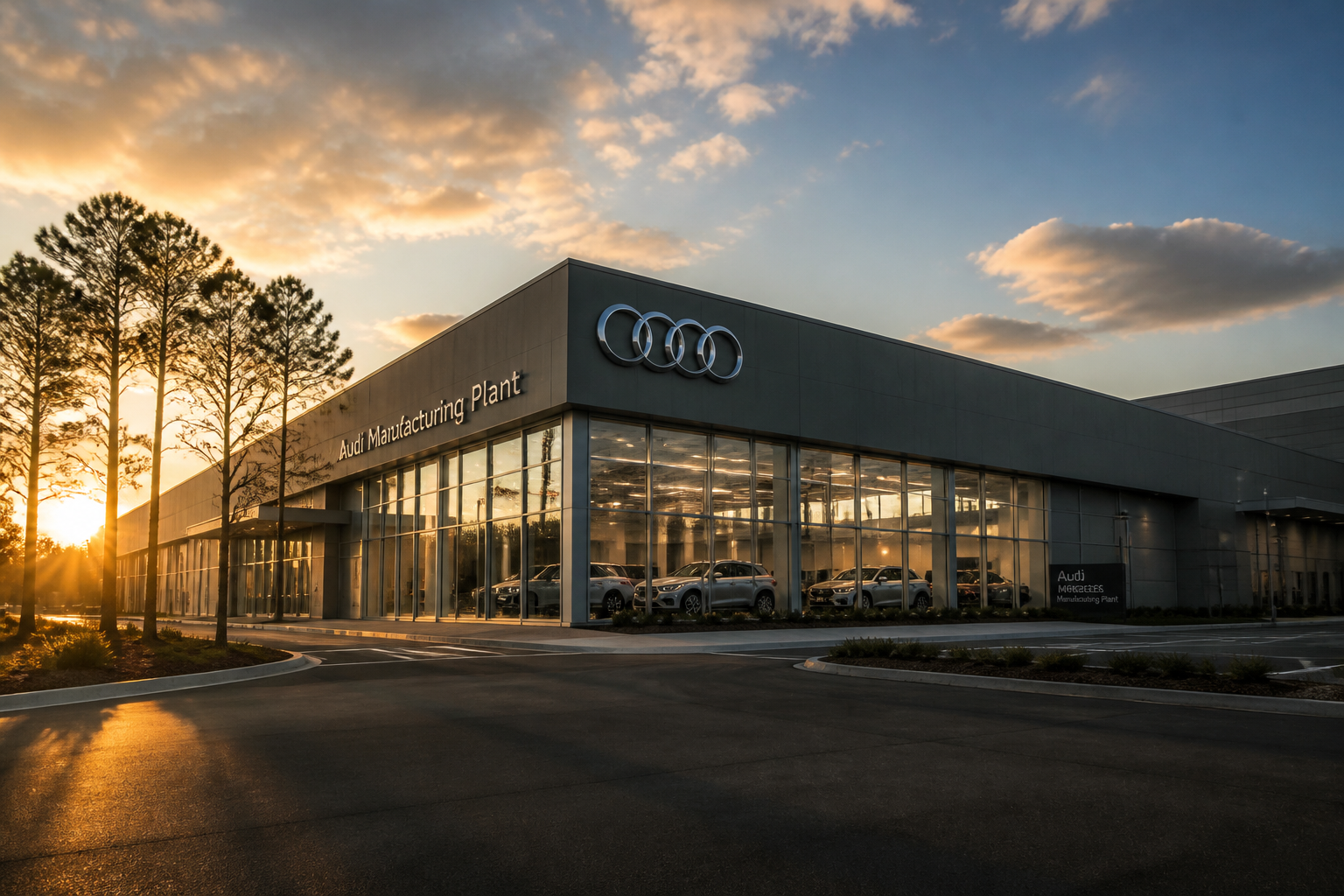
Audi has dropped a bombshell that will reshape its German manufacturing landscape forever. The luxury automaker announced it will cease production of its bread-and-butter A4 sedan and A6 models at the historic Ingolstadt facility by 2025, marking the end of an era for two of Germany’s most iconic executive cars.
End of an Era: A4 and A6 Production Halts
The decision affects Audi’s primary manufacturing hub, where the A4 has rolled off production lines since 1994 and the A6 since 1968 under various model designations. This dramatic shift represents Audi’s most aggressive move yet toward electric vehicle prioritization.
Industry insiders reveal that declining sedan sales across Europe, combined with massive investments needed for EV infrastructure, forced Audi’s hand. The A4 and A6 combined sold just 180,000 units globally in 2023, down 35% from their 2019 peak.
What This Means for Workers
Approximately 3,200 workers directly involved in A4 and A6 assembly will face redeployment or voluntary redundancy packages. However, Audi emphasizes this isn’t a plant closure but a complete transformation strategy.
The Ingolstadt facility will pivot to become Audi’s European hub for luxury electric sedans, with the upcoming A6 e-tron and next-generation A8 electric taking center stage from 2025 onwards.
Electric Future Takes Priority
This restructuring accelerates Audi’s timeline to achieve carbon neutrality by 2033. The company will invest €2.5 billion to convert Ingolstadt into a state-of-the-art EV production facility, featuring:
- Completely redesigned assembly lines optimized for electric drivetrains
- On-site battery pack assembly capabilities
- Carbon-neutral manufacturing processes
- Advanced robotics and AI-driven quality control systems
Market Implications
BMW and Mercedes-Benz are watching closely, as both rivals still maintain strong sedan production in Germany. BMW’s 3 Series and 5 Series continue outselling Audi’s equivalents, but face similar long-term pressures.
“This move positions Audi ahead of the curve,” explains automotive analyst Sarah Morrison from LMC Automotive. “They’re sacrificing short-term sedan profits for long-term electric dominance in the premium segment.”
Impact on A4 and A6 Availability
Current A4 and A6 models will remain available through 2025, with production continuing at reduced capacity. After that, buyers seeking traditional combustion-engine Audis in these segments will need to look elsewhere in the lineup.
The A6 e-tron, arriving in late 2024, offers 435 miles of range and represents Audi’s vision for the premium electric sedan market. Early pre-orders suggest strong consumer interest, with over 15,000 reservations already placed across Europe.
Dealer Network Concerns
UK Audi dealers express mixed reactions. While electric margins typically exceed combustion models, the transition period creates uncertainty about inventory management and customer expectations.
“We’re preparing our sales teams extensively,” says Manchester Audi’s general manager David Thompson. “The A6 e-tron is genuinely impressive, but some customers still prefer the familiar A4 and A6 formula.”
Looking Forward
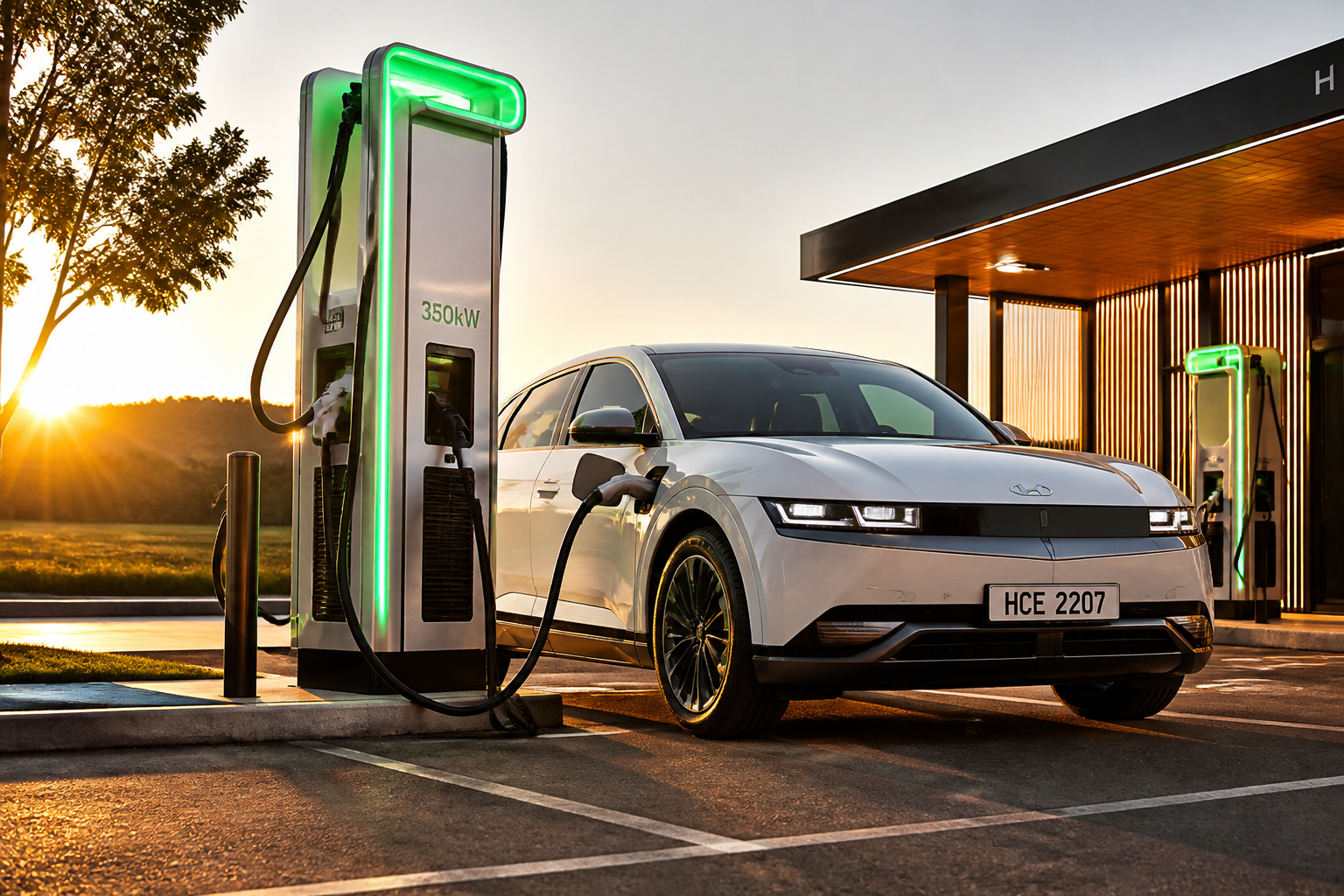
This bold restructuring signals Audi’s determination to lead the luxury electric revolution, even at the cost of abandoning profitable internal combustion models. The success of this strategy will depend heavily on consumer acceptance of electric alternatives and the broader charging infrastructure development across Europe.
As traditional automotive manufacturing transforms rapidly, Audi’s Ingolstadt gamble could either establish them as electric pioneers or serve as a cautionary tale about moving too quickly away from proven sellers.