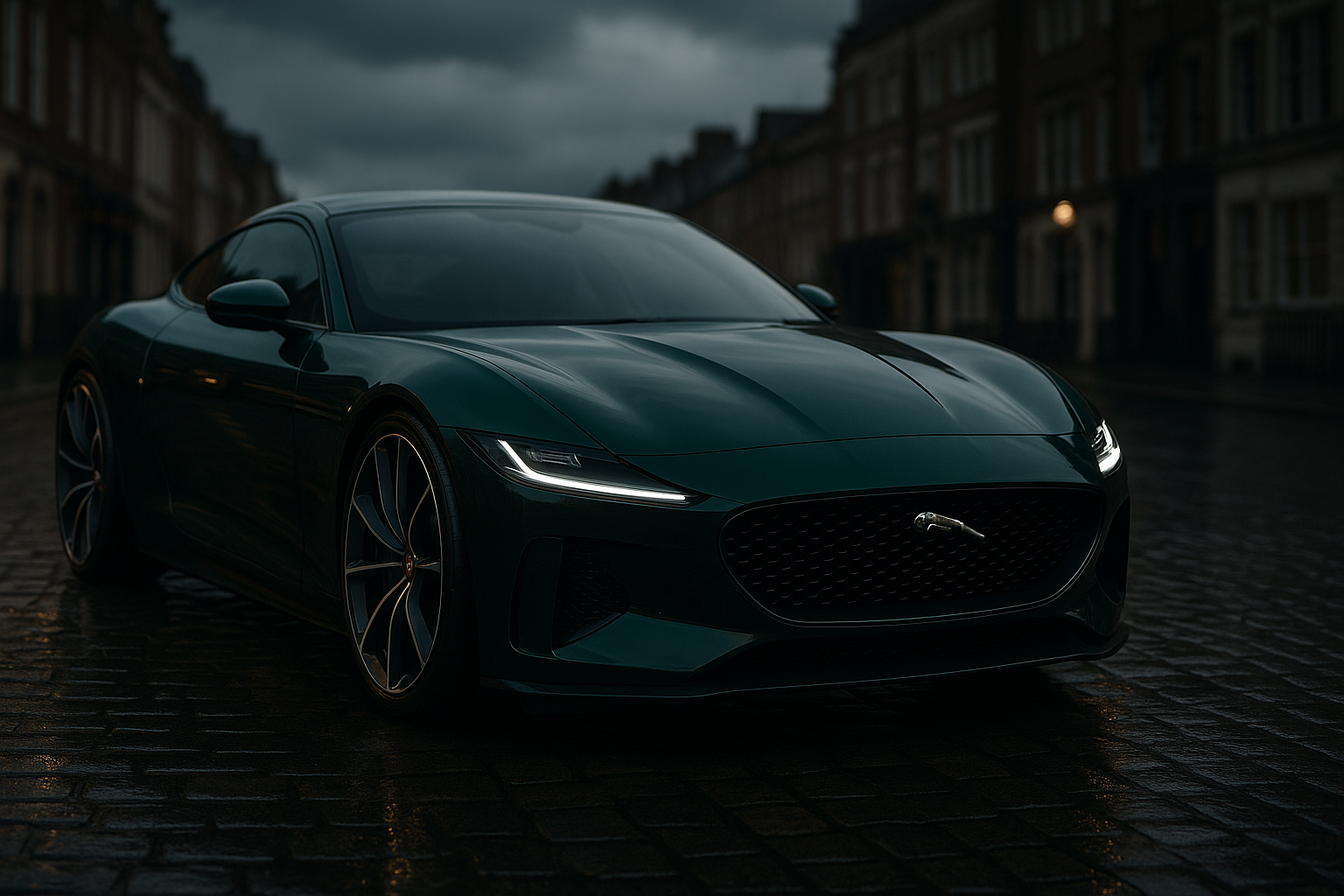
McLaren just dropped the automotive equivalent of a nuclear bomb. The British supercar manufacturer has officially unveiled the McLaren W1, a 1258-horsepower hybrid hypercar that serves as the spiritual successor to the legendary P1. This isn’t just another supercar—it’s McLaren’s statement that they’re still the kings of extreme performance.
McLaren W1 Power and Performance Specs
The McLaren W1 combines a twin-turbocharged 4.0-liter V8 engine with an electric motor to produce a staggering 1258 horsepower and 988 lb-ft of torque. McLaren claims this monster can rocket from 0-60 mph in just 2.7 seconds and reach a top speed of 217 mph.
The hybrid powertrain represents a significant evolution from the P1’s setup. While the P1 produced 903 horsepower, the W1 cranks that figure up to stratospheric levels. The electric motor alone contributes 342 horsepower, working seamlessly with the V8 to deliver instant torque fill and mind-bending acceleration.
Revolutionary Aerodynamics and Design
McLaren didn’t just focus on raw power. The W1 features what the company calls “Active Long Tail” aerodynamics—a deployable rear section that extends the car’s length by 11.8 inches in Race mode. This creates 772 pounds of downforce at 174 mph, significantly more than the P1’s 660 pounds.
The carbon fiber bodywork showcases McLaren’s obsession with weight reduction. Despite the hybrid complexity, the W1 tips the scales at just 3,084 pounds—remarkably light for a car packing this much technology.
Track-Focused Engineering Excellence
McLaren engineered the W1 with one clear mission: dominate on track. The suspension system features adaptive dampers with three distinct modes, while the braking system uses carbon-ceramic discs measuring 15.4 inches front and 15 inches rear.
The aerodynamic package includes:
- Active front splitter with three positions
- Deployable rear wing with DRS functionality
- Active Long Tail system for maximum downforce
- Underbody aerodynamics inspired by Formula 1
These systems work together to create what McLaren calls “the most aerodynamically advanced road car” they’ve ever built.
Limited Production and Pricing Reality
Only 399 McLaren W1 units will ever exist, making this hypercar rarer than hen’s teeth. McLaren hasn’t officially announced pricing, but industry insiders suggest the W1 will command at least $2.5 million—potentially reaching $3 million depending on options.
Production begins in late 2025, with deliveries starting in early 2026. McLaren has reportedly already secured deposits from existing P1 owners and select VIP customers, meaning public allocation will be extremely limited.
How the W1 Compares to Hypercar Rivals
The McLaren W1 enters a brutally competitive hypercar landscape. Against the Ferrari SF90 XX Stradale’s 1016 horsepower and the Lamborghini Revuelto’s 1001 horsepower, the W1’s 1258-horsepower output establishes clear performance superiority on paper.
However, McLaren’s real advantage lies in their racing heritage and aerodynamic expertise. The company’s Formula 1 connections show throughout the W1’s development, from the suspension geometry to the active aerodynamics systems.
The Future of McLaren Hypercars
The W1 represents more than just McLaren’s latest hypercar—it’s their vision for the future of extreme performance vehicles. By perfecting hybrid technology now, McLaren positions themselves for the inevitable transition away from pure internal combustion engines.
This hypercar also serves as a technological showcase for future McLaren models. Expect elements of the W1’s aerodynamic innovations and hybrid powertrain to trickle down to more accessible McLaren vehicles over the next decade.
Conclusion: McLaren’s Bold Statement
The McLaren W1 proves that the hypercar wars are far from over. With 1258 horsepower, revolutionary aerodynamics, and McLaren’s racing pedigree, the W1 sets a new benchmark for what’s possible when engineering meets obsession. Whether it can live up to the P1’s legendary status remains to be seen, but early signs suggest McLaren has created something truly special.