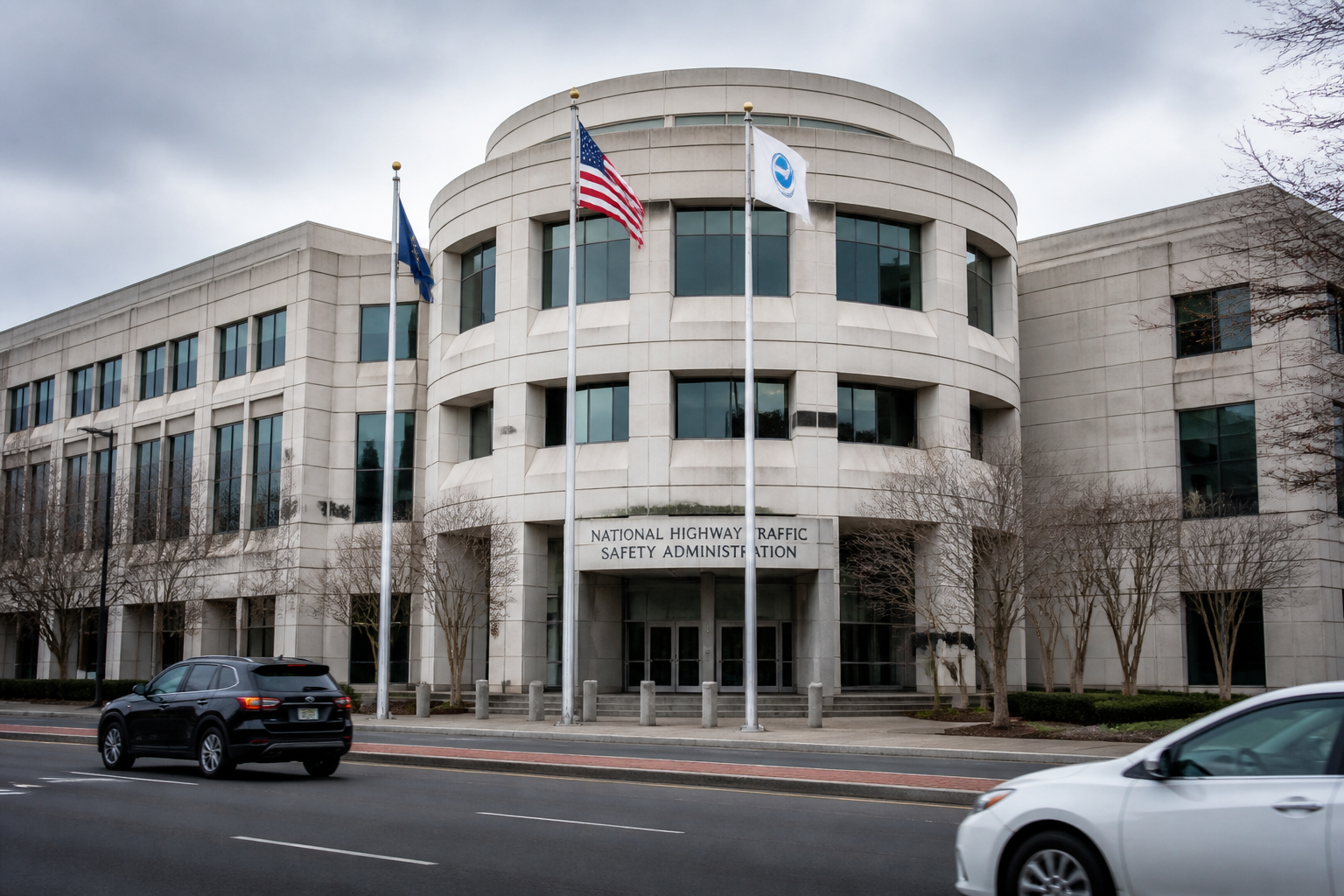
Federal safety regulators have opened a formal investigation into the Jeep Wrangler 4xe plug-in hybrid after reports of vehicles catching fire while parked and switched off. The National Highway Traffic Safety Administration (NHTSA) is examining roughly 145,000 Wrangler 4xe models from the 2021-2024 model years following 13 reported fire incidents.
Jeep Wrangler 4xe Fire Investigation Details
The investigation centers on a disturbing pattern: Wrangler 4xe SUVs spontaneously igniting even when parked with the ignition off. According to NHTSA documents, fires appear to originate near the vehicle’s high-voltage battery pack area, raising serious questions about the safety of Jeep’s best-selling electrified model.
What makes these incidents particularly alarming is their unpredictability. Owners have reported returning to their vehicles to find them engulfed in flames in garages and driveways. In at least one case, the fire spread to a residential structure, escalating property damage concerns beyond the vehicles themselves.
Which Models Are Affected?
The investigation covers Jeep Wrangler 4xe models spanning four model years:
- 2021 Jeep Wrangler 4xe
- 2022 Jeep Wrangler 4xe
- 2023 Jeep Wrangler 4xe
- 2024 Jeep Wrangler 4xe
Stellantis, Jeep’s parent company, has sold the Wrangler 4xe aggressively since its 2020 debut, marketing it as the perfect blend of off-road capability and environmental consciousness. The plug-in hybrid variant quickly became America’s best-selling plug-in hybrid vehicle, outselling competitors by substantial margins.
Technical Concerns Behind the Fires
While NHTSA hasn’t confirmed a root cause, preliminary findings point toward the 4xe’s 17-kilowatt-hour lithium-ion battery pack and its associated charging systems. The battery, mounted beneath the rear seats, powers an electric motor that works alongside the traditional 2.0-liter turbocharged four-cylinder engine.
Fire investigators have noted that thermal runaway—a chain reaction where battery cells overheat and ignite adjacent cells—remains a possibility. However, the fact that fires occur when vehicles are completely powered down suggests potential issues with battery management systems failing to properly regulate cell temperatures during rest periods.
What Jeep Owners Should Do Now
NHTSA has stopped short of issuing a formal recall or park-outside order, but safety experts recommend Wrangler 4xe owners take precautionary measures:
- Park vehicles outdoors away from structures when possible
- Avoid charging overnight in enclosed garages
- Monitor for unusual battery warning lights or messages
- Contact dealerships immediately if experiencing charging issues
Stellantis released a statement acknowledging the investigation and pledging full cooperation with regulators. The automaker emphasized that it takes customer safety seriously but has not issued guidance beyond directing owners to contact dealers with concerns.
Impact on Jeep’s Electrification Strategy
This investigation arrives at a critical moment for Jeep’s electrification plans. The brand has committed to offering electrified versions of every model in its lineup and recently launched the all-electric Wagoneer S. The Wrangler 4xe serves as the brand’s electrification flagship and proof-of-concept that Jeep can maintain its rugged identity while embracing plug-in technology.
A recall affecting 145,000 units would represent a significant setback, both financially and reputationally. Beyond immediate costs, it could undermine consumer confidence in Jeep’s ability to execute hybrid and electric powertrains reliably—especially critical as traditional Jeep loyalists remain skeptical about electrification.
Looking Ahead
NHTSA investigations typically take several months to complete, after which the agency will determine whether a formal recall is necessary. If regulators identify a systemic defect, Stellantis will be required to develop and implement a remedy for all affected vehicles at no cost to owners.
For now, Wrangler 4xe owners face an uncomfortable waiting period. The investigation’s outcome will likely influence not just Jeep’s immediate future but broader industry conversations about plug-in hybrid safety protocols and battery management standards. As electrified vehicles proliferate across segments, ensuring they don’t pose fire risks when parked and powered down has never been more critical.