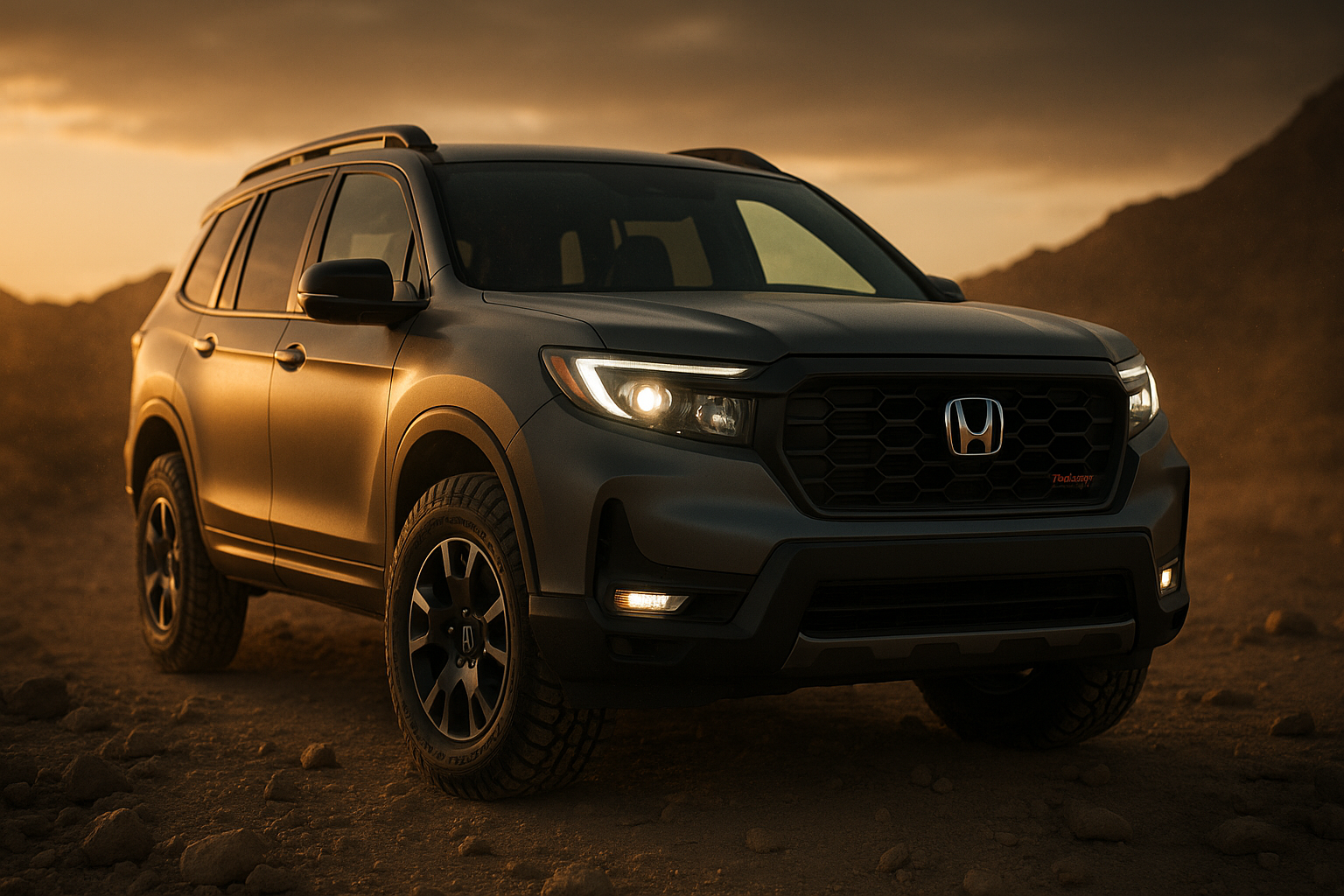
In a stunning development that could reshape the global automotive landscape, Nissan and Honda have officially confirmed they are in preliminary discussions about a potential merger. If successful, the combined entity would become the world’s third-largest automaker by volume, trailing only Toyota and Volkswagen Group.
Nissan and Honda Merger: What We Know So Far
The Japanese automotive giants released simultaneous statements acknowledging the merger talks, with both companies emphasizing that no final decisions have been made. However, industry insiders suggest the discussions have reached an advanced stage, with formal negotiations expected to intensify over the coming months.
The combined group would control approximately 7.4 million vehicle sales annually, based on 2023 figures. More importantly, the merger would pool resources worth over $191 billion in annual revenue, creating a manufacturing and technological powerhouse capable of competing with the industry’s biggest players.
Why This Merger Makes Strategic Sense
The automotive industry faces unprecedented challenges: electrification demands massive capital investment, autonomous driving technology requires billions in R&D, and Chinese manufacturers are aggressively expanding globally with cost-competitive EVs.
For Nissan, the timing is particularly critical. The company has struggled financially in recent years, with profit margins shrinking and its alliance with Renault showing signs of strain. Honda, while financially healthier, recognizes it lacks the scale to compete effectively in the EV era without significant partnerships.
Key strategic benefits include:
- Shared EV platform development costs, potentially saving billions annually
- Combined battery procurement leverage against suppliers like CATL and LG Energy Solution
- Unified research into solid-state battery technology and autonomous systems
- Streamlined manufacturing footprint across North America, Europe, and Asia
- Complementary product portfolios with minimal overlap in key segments
Impact on Brand Identity and Product Lines
Both companies have stressed that Nissan and Honda would maintain separate brand identities, similar to how Volkswagen Group manages Audi, Porsche, and VW. This approach would preserve each brand’s heritage while allowing backend consolidation.
Honda’s strength in hybrid technology and fuel-efficient engines could complement Nissan’s experience with mass-market EVs through the Leaf program and Ariya crossover. The merger would also unite Honda’s successful Civic and Accord with Nissan’s popular Rogue and Altima, creating a comprehensive lineup spanning every major segment.
What Happens to Existing Alliances?
The elephant in the room is Nissan’s existing alliance with Renault and Mitsubishi. Industry analysts suggest this merger could effectively end the Renault-Nissan partnership, which has been troubled since the Carlos Ghosn scandal and subsequent leadership turmoil.
Mitsubishi’s future remains uncertain, though sources indicate Honda may be willing to include the smaller automaker in a broader three-way consolidation, particularly given Mitsubishi’s expertise in plug-in hybrid technology and SUV development.
Regulatory Hurdles and Timeline
A merger of this magnitude will face intense scrutiny from regulators in Japan, the United States, Europe, and China. Antitrust concerns will focus on market share in specific regions and segments, particularly in the profitable North American truck and SUV categories.
Legal experts suggest the approval process could take 18 to 24 months, assuming no major objections from competition authorities. Both companies will need to demonstrate that the merger enhances consumer choice and doesn’t create anti-competitive market concentration.
Market Reaction and Industry Implications
Financial markets responded positively to the news, with Nissan shares jumping 6.2% and Honda rising 3.8% in Tokyo trading. Investors view the consolidation as inevitable given the capital-intensive nature of electrification and the competitive threat from Chinese manufacturers like BYD and Geely.
Other automakers are watching closely. A successful Nissan-Honda merger could trigger additional consolidation across the industry, particularly among mid-sized manufacturers struggling to fund the transition to electric and autonomous vehicles independently.
The Road Ahead
If completed, this merger would represent the most significant automotive industry consolidation since the Fiat Chrysler and PSA merger created Stellantis in 2021. The stakes are enormous: success could create a Japanese automotive champion capable of leading in the electric era, while failure could leave both companies vulnerable to more aggressive competitors.
Expect official announcements regarding the merger structure, leadership team, and integration timeline within the next quarter. For now, both Nissan and Honda continue to emphasize that discussions remain preliminary, but the momentum toward consolidation appears irreversible.