Key Facts
- Porsche delivered 122,306 vehicles globally in H1 2026, down 16% from 146,391 units in H1 2025
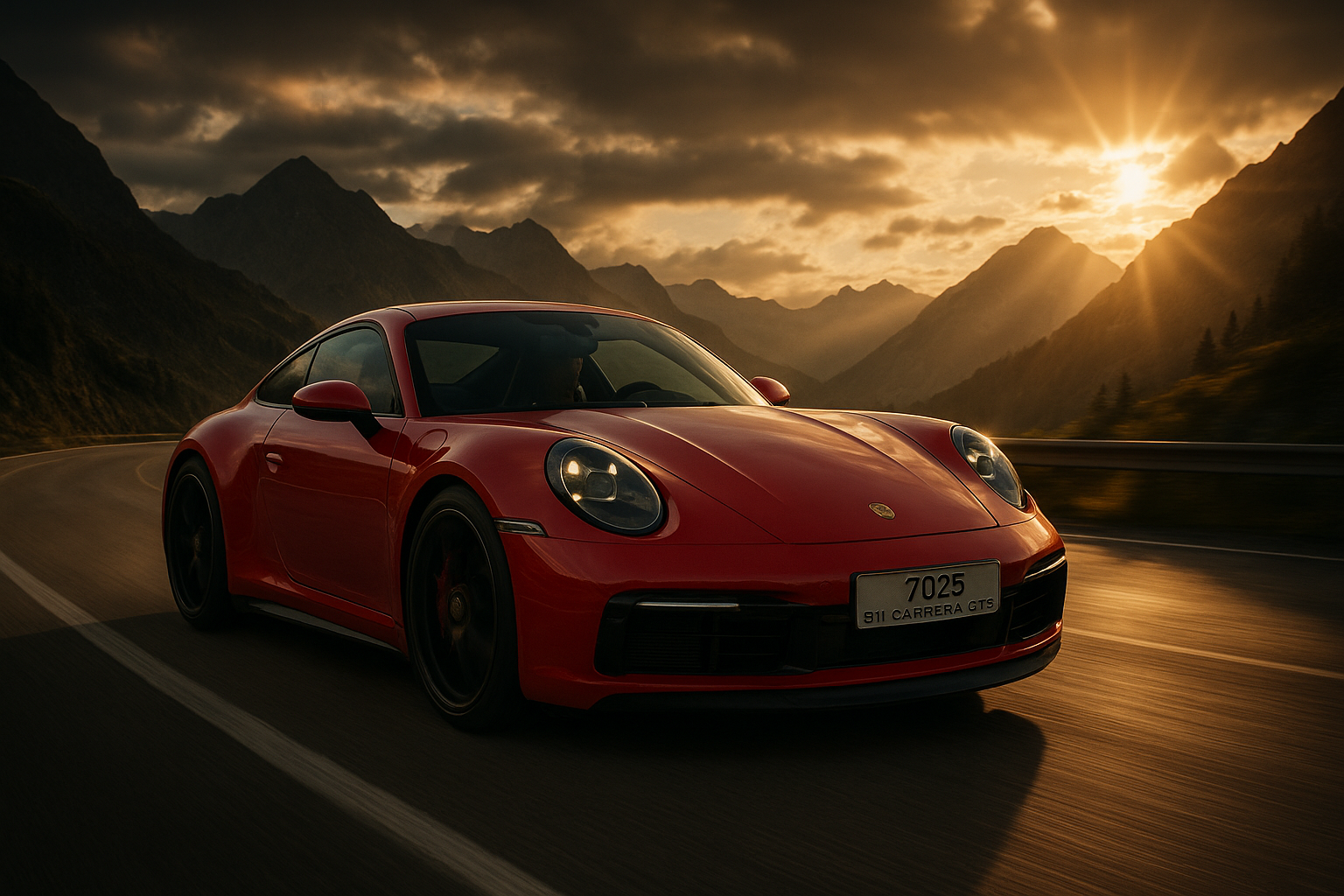
- The 911 surged 19% to 30,534 units, now accounting for 25% of total sales and outselling the Taycan EV nearly 5-to-1
- China deliveries plunged 32% to 14,501 vehicles, the steepest regional decline, prompting dealer network cuts to ~80 outlets
- Taycan EV sales cratered 25% to just 6,219 units as Porsche pivots to ‘Value over Volume’ strategy focusing on high-margin variants
Porsche’s global deliveries fell 16% to 122,306 vehicles in the first half of 2026, dragged down by a catastrophic 32% collapse in China and a 25% plunge in Taycan EV sales. Yet the iconic 911 defied gravity with a 19% surge to 30,534 units, now representing one quarter of all Porsche sales and outselling the struggling Taycan electric sedan by nearly five to one.
The Stuttgart-based luxury carmaker stated the result was in line with internal expectations, reflecting a deliberate shift away from volume chasing toward profitability.
China Market Collapse Drives Regional Weakness
China delivered the harshest blow, with deliveries tumbling 32% to just 14,501 vehicles in the first six months of 2026, according to industry analysts tracking the brand’s performance. Intense competition from domestic EV manufacturers and weakening luxury demand have forced Porsche to plan cuts to its China dealer network, reducing outlets to around 80 from previous levels.
North America remained Porsche’s largest market despite a 13% decline to 37,712 units, hurt by the expiration of U.S. federal EV tax credits and the end of combustion-engine 718 production. European markets showed similar pressure as luxury buyers increasingly hesitated on high-ticket purchases amid economic uncertainty.
911 Resurgence as Taycan Struggles
The performance gap between Porsche’s combustion icon and its electric flagship has never been wider. The 911 posted a remarkable 19% gain to 30,534 deliveries, capturing roughly 25% of total brand volume and outselling the Taycan by a ratio of nearly five to one.
The Taycan, meanwhile, saw deliveries crater 25% to just 6,219 units, continuing a downward spiral that began in late 2025. The electric sedan has struggled against both the enduring appeal of the 911 and broader weakness in global luxury EV demand, particularly as charging infrastructure remains patchy outside major metropolitan areas and range anxiety persists among buyers.
| Model | H1 2026 Deliveries | Change vs H1 2025 | Share of Total |
|---|---|---|---|
| 911 | 30,534 | +19% | ~25% |
| Taycan | 6,219 | -25% | ~5% |
| Total Porsche | 122,306 | -16% | 100% |
Value Over Volume Strategy Takes Hold
Porsche has doubled down on what it calls a “Value over Volume” approach, prioritizing high-margin GTS, Turbo, and GT variants rather than chasing sales numbers. The strategy emphasizes profitability per unit as the brand navigates a difficult transition period.
Combustion-engine Macan production ended in July 2026 as part of the brand’s electrification roadmap, though the move comes amid mounting questions about the viability of Porsche’s EV ambitions. The shift follows a catastrophic 2025 fiscal year in which Porsche’s automotive operating profit plunged 98% to €90 million due to €3.9 billion in EV strategy writedowns and restructuring costs.
What This Means for Buyers
For prospective Porsche customers, the H1 2026 results signal several important shifts. First, the 911’s resurgence and strong residual values make it an increasingly safe bet for those prioritizing investment protection, particularly as the brand leans into limited-production GT and Turbo variants that historically appreciate.
Second, Taycan buyers may find improved negotiating leverage as dealers work to clear inventory of a model facing headwinds, though long-term resale value remains uncertain given weak EV demand trends. Wait times for popular 911 configurations, conversely, are likely to extend as production prioritizes margin over volume.
Third, the shrinking China dealer network and broader pullback from volume markets may reduce parts and service accessibility in certain regions over the next 12-24 months, a consideration for buyers in secondary markets. North American and European buyers face fewer immediate concerns, though allocation of limited-edition models will grow more competitive.
Finally, the end of combustion Macan and 718 production marks the closing window for buyers seeking traditionally powered Porsche SUVs and entry sports cars, potentially driving up used market values for low-mileage examples as the brand’s lineup skews increasingly electric—or increasingly expensive.
Porsche’s bifurcated performance in H1 2026—combustion success, EV struggle—mirrors broader luxury market tensions as established brands navigate the uncertain pace of electrification while maintaining profitability. The 911’s outsized gains suggest that for now, at least, Porsche’s heritage product remains its most valuable asset in a turbulent market.