Key Facts
- First teaser image released July 14-15, 2026, shows sharper LED taillights and sportier roofline versus upright Tonale
- Production begins Q4 2027 at Melfi, Italy; customer deliveries start early 2028
- Will ride on Stellantis STLA Medium platform shared with Peugeot 3008, Opel Grandland, and new Jeep Compass
- Multi-energy strategy includes mild hybrid, plug-in hybrid, and full electric powertrains
Alfa Romeo has released the first teaser image of its unnamed Tonale successor, showing a more rakish, coupé-like roofline and sharper LED taillights ahead of a planned Q4 2027 launch. The stakes are high for the Italian marque after the outgoing Tonale managed just 494 US sales in the first half of 2026, raising questions about Alfa’s viability in North America.
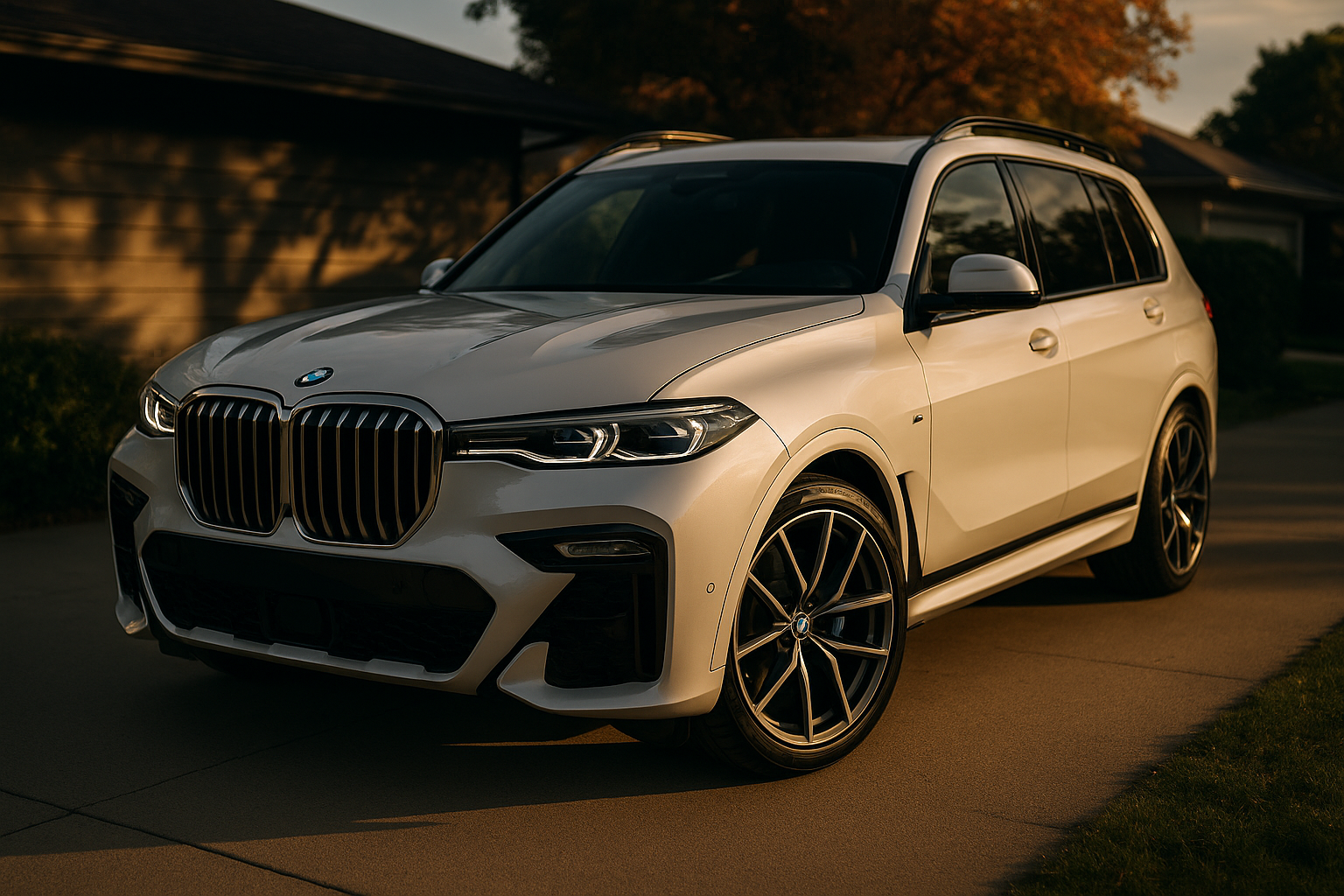
The teaser image, revealed on July 14-15, depicts only a rear quarter panel but signals a clear departure from the Tonale’s conservative proportions. The new C-segment SUV will compete directly against the Audi Q3, BMW X1/X2, and Mercedes-Benz GLA when it reaches showrooms in early 2028.
Platform Sharing and German Rivals
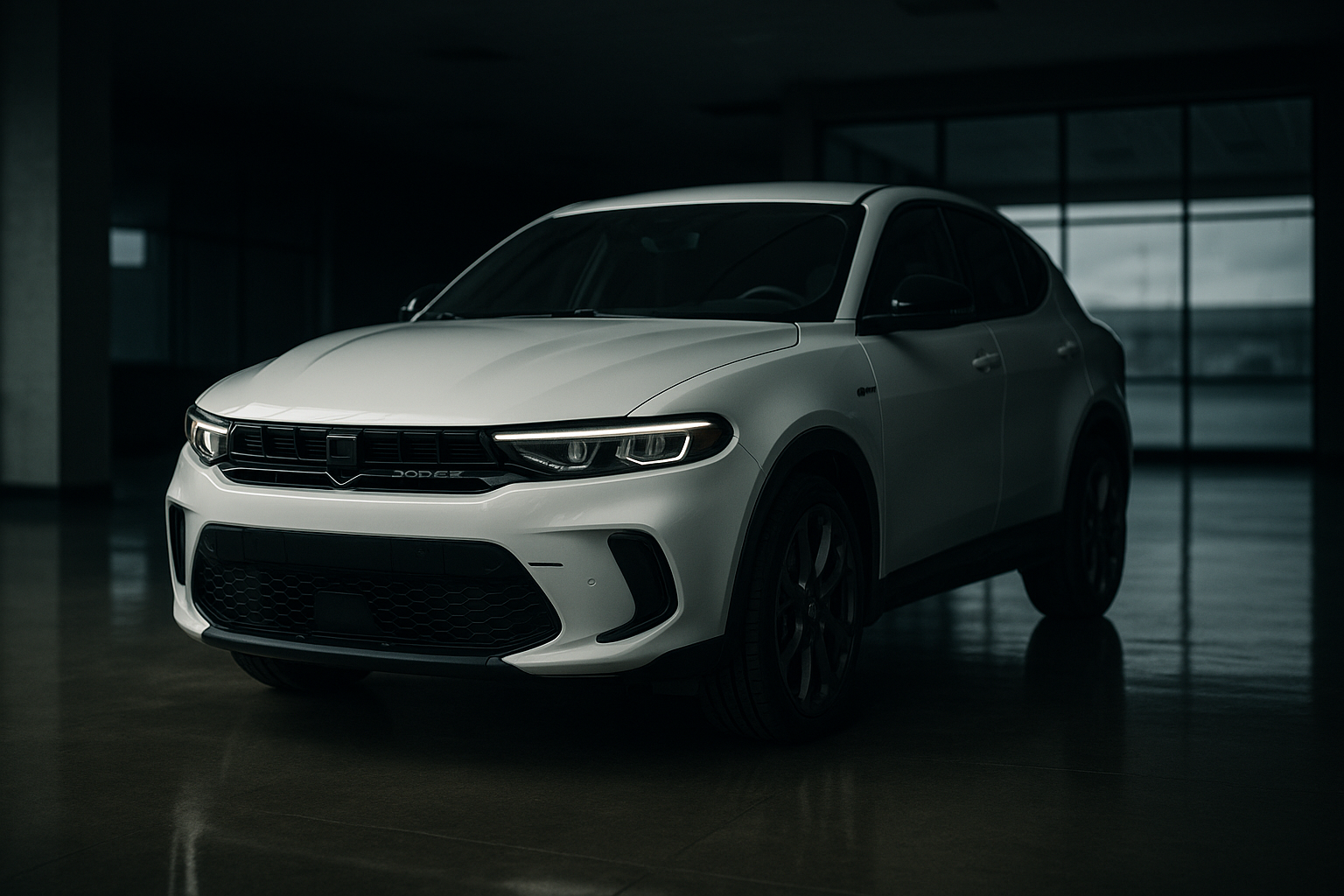
The unnamed successor will ride on Stellantis’s STLA Medium architecture, the same foundation underpinning the Peugeot 3008, Opel Grandland, and the new Jeep Compass, according to Autoblog. This platform-sharing strategy is critical for Stellantis to achieve economies of scale, but it also raises concerns about whether Alfa can differentiate itself sufficiently from its corporate siblings—especially after the Tonale shared its bones with the short-lived Dodge Hornet.
The German competition has dominated this segment for years with refined products, strong dealer networks, and brand cachet. Alfa Romeo’s challenge is compounded by its sparse US dealer footprint and the fact that premium compact SUV buyers have historically favored established German nameplates over Italian alternatives.
Multi-Energy Powertrain Strategy
Unlike some rivals pivoting to electric-only lineups, Alfa Romeo will offer the new SUV with mild hybrid, plug-in hybrid, and full electric powertrains as part of what Stellantis calls a “multi-energy” approach, Motor1 reports. This hedging strategy aims to appeal to markets with varying electrification infrastructure and buyer preferences, particularly in North America where EV adoption remains uneven outside coastal metro areas.
The approach contrasts with Mercedes-Benz’s shift toward dedicated EV architectures for some models, though BMW and Audi similarly offer multi-powertrain options in the X1 and Q3 lineups. Whether this flexibility translates to sales success will depend heavily on pricing, performance specs, and dealer execution—all areas where the Tonale stumbled.
Production Timeline and Tonale’s End
Production of the new SUV will commence in Q4 2027 at Alfa Romeo’s Melfi plant in Italy, with the official unveiling scheduled for the same quarter and customer deliveries beginning in early 2028, according to ClubAlfa. Meanwhile, Tonale production at the Pomigliano d’Arco facility will cease in November 2027, marking the end of a troubled model cycle.
The new SUV was penned at Alfa Romeo’s Centro Stile design center in Turin. Stellantis executive Emanuele Cappellano described it as “a true Alfa Romeo in character and style” and “really beautiful” during a July 14 automotive roundtable at Italy’s Ministry of Enterprises, though such promotional language offers little reassurance given the Tonale’s commercial failure.
The Tonale’s Cautionary Tale
The outgoing Tonale serves as a sobering case study in product-market mismatch. With only 494 units sold in the US during the first half of 2026, the model failed to gain traction despite Stellantis’s hopes that it would anchor Alfa’s North American revival. The badge-engineered Dodge Hornet sibling fared even worse, ultimately being killed by a combination of poor sales and unfavorable tariff conditions.
That failure puts immense pressure on the successor to deliver not just compelling styling but also competitive pricing, segment-appropriate technology, and—perhaps most critically—a dealer network capable of servicing and selling premium products. Alfa Romeo’s US dealer count remains thin compared to German rivals, a structural disadvantage that no amount of Italian flair can overcome alone.
What This Means for Buyers
For prospective compact luxury SUV shoppers, the Tonale successor represents an intriguing wild card in a segment dominated by predictable German entries. The teased design hints at more expressive styling than the conservative Q3 or GLA, and Alfa’s multi-energy powertrain roster could offer flexibility that appeals to buyers not ready to commit to full electrification.
However, the Tonale’s dismal sales record suggests buyers should approach with caution. Resale values for slow-selling premium brands can crater quickly, and Alfa’s limited dealer network means service and parts availability could be problematic outside major metro areas. Early 2028 delivery timing also means buyers will be purchasing a product that hits showrooms as economic uncertainty and potential recession risks remain elevated.
The prudent move for most buyers will be to wait for full specifications, independent reviews, and early reliability data before committing. Those who prioritize design and driving dynamics over brand prestige may find the Alfa compelling—but only if Stellantis prices it aggressively and backs it with meaningful warranty coverage to offset depreciation concerns.
Ultimately, the Tonale successor is a must-win product for Alfa Romeo’s continued presence in North America. Another commercial failure could prompt Stellantis to pull the plug on US sales entirely, relegating the storied Italian brand to European and Asian markets where its niche appeal faces less brutal competition. The teaser image promises a prettier SUV—but Alfa needs far more than good looks to survive.