Key Facts
- Test vehicle suffered three complete system failures (‘bricking’) in just five days
- Software stability problems emerged during pre-production testing phase
- Issues affect Dodge’s flagship muscle car model ahead of consumer launch
- Raises concerns about new-car purchase confidence and warranty expectations
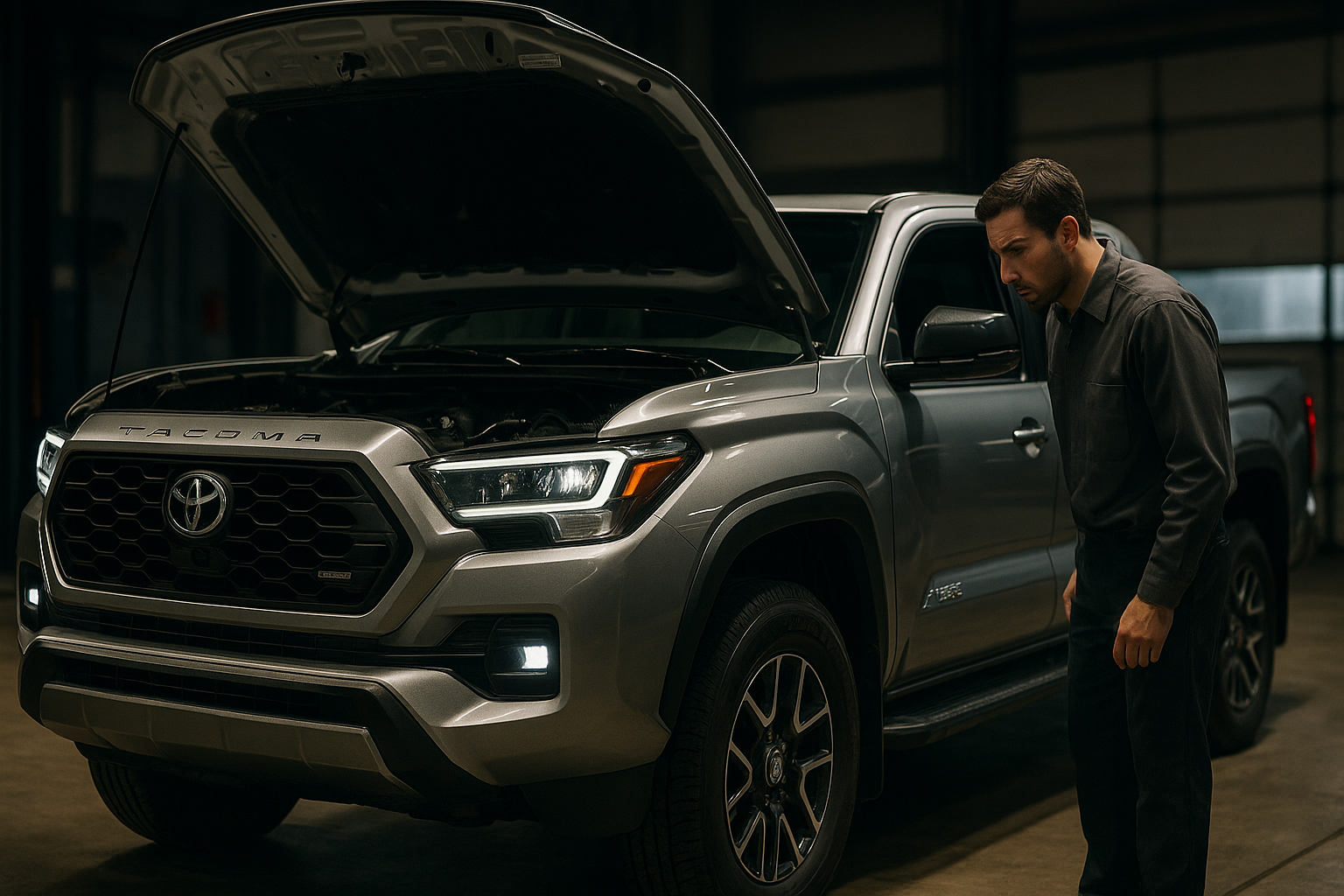
A pre-production 2026 Dodge Charger test vehicle experienced complete system failures—commonly known as ‘bricking’—three times within a five-day testing period, raising serious questions about software reliability in Stellantis’ flagship electric muscle car. The repeated malfunctions represent a significant stability issue during the critical pre-launch phase for one of America’s most iconic performance nameplates.
The failures occurred during real-world testing conditions, according to reports, with the test Charger becoming completely inoperable on each occasion. When a vehicle ‘bricks,’ its computer systems fail entirely, rendering it unable to start or operate—effectively turning a sophisticated automobile into an immobile, multi-ton paperweight.
Software Complexity in Modern Vehicles
The 2026 Charger represents Dodge’s ambitious transition toward electrified performance, combining traditional muscle car appeal with cutting-edge software-driven technology. Modern vehicles, particularly those with electric powertrains and advanced driver-assistance features, rely on millions of lines of code to manage everything from battery thermal management to infotainment systems.
When these complex software architectures encounter critical errors, the results can be catastrophic from a usability standpoint. Unlike mechanical failures that might allow a vehicle to limp home, complete software failures often require dealership intervention, software reflashing, or even hardware replacement.
The fact that these failures occurred during the pre-production testing phase—the very stage designed to identify and resolve such issues—is both expected and concerning. While manufacturers conduct extensive testing specifically to catch problems before customer deliveries begin, the frequency and severity of these failures suggest deeper integration challenges.
Stellantis’ Software Strategy Under Scrutiny
Stellantis, the multinational automotive conglomerate that owns Dodge, has been investing heavily in software development as the industry shifts toward software-defined vehicles. The company has established dedicated software divisions and partnerships to compete with rivals who have made significant strides in vehicle software reliability.
However, legacy automakers have struggled with software integration compared to newer electric vehicle manufacturers who designed their architectures from scratch with software at the core. Traditional manufacturers often grapple with integrating new software platforms with existing electrical architectures and supplier networks—a challenge that can lead to the type of system instability observed in the Charger testing.
What This Means for Buyers
For prospective 2026 Dodge Charger buyers, these pre-production software failures should prompt important considerations about early adoption risks. While manufacturers typically resolve pre-production issues before customer deliveries, first-model-year vehicles—particularly those with all-new software architectures—historically carry higher risk of software-related problems.
Buyers should scrutinize Dodge’s warranty coverage, particularly provisions for software-related failures and over-the-air update capabilities. Questions to ask dealers include: What recourse exists if the vehicle experiences complete system failure? How quickly can dealerships address software issues? Does the warranty cover loaner vehicles during extended software-related repairs?
The Ford Recalls Nearly 1 Million Vehicles Amid ‘Quality First’ Marketing Campaign”>automotive industry has seen several high-profile software reliability issues in recent years, from infotainment freezes to more serious propulsion system errors. Manufacturers who successfully navigate these challenges typically offer robust warranty support, transparent communication about known issues, and rapid over-the-air update deployment to address problems without requiring dealership visits.
Potential buyers might consider waiting for several months after initial launch to allow Dodge to identify and resolve early software bugs through customer feedback and real-world data collection. This conservative approach has become increasingly common among automotive consumers aware of first-year model risks.
Industry-Wide Implications
The Charger’s software troubles reflect broader challenges facing the automotive industry as vehicles transform into computers on wheels. As cars incorporate more advanced features—from autonomous driving capabilities to sophisticated battery management systems—software reliability becomes as critical as traditional mechanical dependability.
Consumer confidence in new vehicle purchases increasingly depends on software stability, particularly as vehicles become more dependent on functioning electronics for basic operation. Unlike older vehicles where mechanical redundancy allowed limited operation during component failures, modern software-dependent vehicles often cannot function at all when critical systems fail.
Stellantis will need to demonstrate that these pre-production issues have been thoroughly resolved before customer deliveries begin. The company’s response to these testing failures—and the robustness of the final production software—will significantly influence both initial sales success and long-term brand reputation in an increasingly competitive performance vehicle market.
The 2026 Dodge Charger’s launch timeline and final specifications have not been officially announced, and it remains unclear whether these software issues will impact the vehicle’s planned release schedule.