Key Facts
- Luxury car buyers are shifting purchasing behavior toward mainstream brands across major global markets
- The trend affects the US, UK, EU, and other developed automotive markets simultaneously
- This represents a significant departure from traditional luxury segment consumer patterns
- The shift has major implications for premium brand strategies and mainstream brand expansion opportunities
Luxury car buyers are abandoning premium brands in favor of mainstream alternatives in a significant market shift affecting major automotive markets worldwide. The trend, which spans the United States, United Kingdom, European Union, and other developed regions, represents a fundamental change in consumer purchasing behavior within the automotive luxury segment.
According to Axios, luxury car buyers are shifting their purchasing behavior toward mainstream brands, marking a departure from decades of brand loyalty within the premium automotive sector. This movement away from traditional luxury marques suggests that economic pressures, value-seeking behavior, or changing consumer priorities are reshaping how affluent buyers approach vehicle purchases.
Economic Pressures Drive Market Transformation
The automotive industry is witnessing an unprecedented realignment as buyers who traditionally purchased Mercedes-Benz, BMW, Audi, Lexus, and other premium brands now consider Toyota, Honda, Volkswagen, and Ford alternatives. This shift appears to be driven by multiple factors including rising vehicle prices, increasing interest rates, and enhanced feature sets available in mainstream vehicles that previously required a luxury badge to access.
Modern mainstream brands have significantly closed the gap with luxury counterparts in terms of technology, safety features, build quality, and interior refinement. Advanced driver assistance systems, premium audio systems, leather interiors, and sophisticated infotainment platforms are now standard or available on mid-tier mainstream models at price points thousands below luxury equivalents.
Implications for Premium and Mainstream Brands
This consumer behavior shift presents existential challenges for luxury automakers while creating substantial opportunities for mainstream manufacturers. Premium brands must reassess their value propositions, pricing strategies, and differentiation tactics to retain customers who increasingly question whether prestige badges justify premium pricing.
For mainstream brands, the trend opens doors to conquest sales from buyers with higher budgets and expectations. Manufacturers like Toyota, Honda, Mazda, and Volkswagen can leverage their reputation for reliability and value while offering well-equipped models that satisfy former luxury buyers seeking better cost-benefit ratios.
The trend is relevant across major automotive markets including North America, Europe, and other developed regions, suggesting this is not a localized phenomenon but rather a global realignment of automotive purchasing priorities.
What This Means for Buyers
For consumers, this market shift validates the value proposition of mainstream brands while potentially offering negotiating leverage with luxury dealers facing declining sales. Buyers previously committed to premium badges may discover that mainstream alternatives deliver 80-90% of the luxury experience at 60-70% of the cost.
However, buyers should carefully evaluate their priorities. Luxury brands typically offer superior dealer experiences, more extensive standard equipment, higher-quality materials in key touchpoints, more powerful or refined powertrains, and stronger resale values in certain segments. The question becomes whether these advantages justify the price premium for individual circumstances.
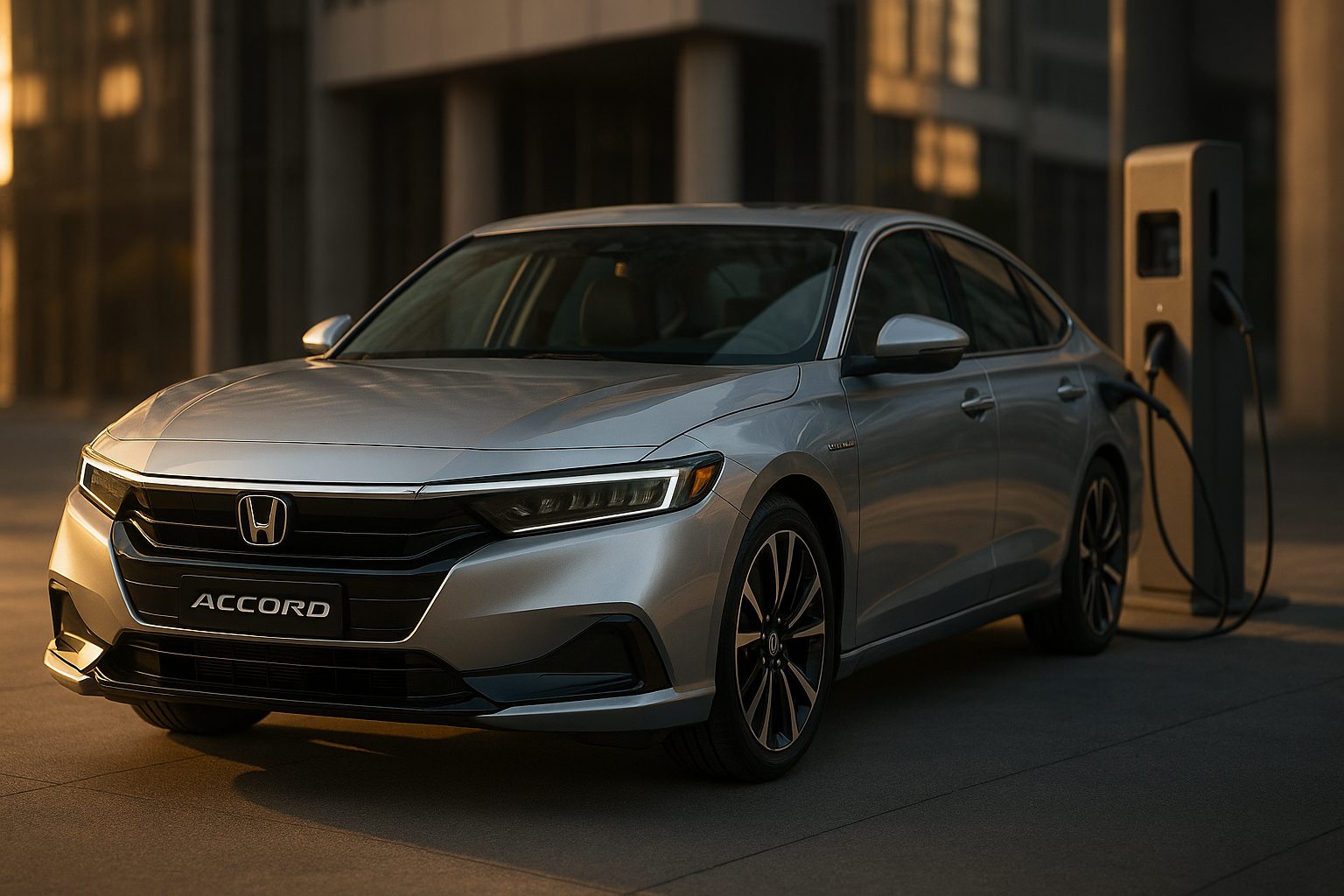
Smart buyers can leverage this trend by cross-shopping luxury and mainstream brands more thoroughly than previous generations. A well-equipped Honda Accord, Toyota Camry, or Mazda CX-50 may satisfy needs previously met only by Acura, Lexus, or premium European brands. Conversely, luxury brands facing market pressure may offer more aggressive incentives, lease deals, or negotiations to retain market share.
Long-Term Market Outlook
The sustainability of this trend depends on economic conditions, vehicle pricing trajectories, and how luxury brands respond. If premium manufacturers successfully differentiate through electric vehicle technology, autonomous driving capabilities, or unique design language, they may recapture lost buyers. Alternatively, if mainstream brands continue quality and feature improvements while maintaining price advantages, the luxury segment may face permanent market share erosion.
Industry observers will monitor whether this represents a temporary economic response or a fundamental generational shift in automotive buying priorities. Younger affluent buyers may place less value on traditional status symbols, prioritizing practical considerations like total cost of ownership, environmental impact, and technological capability over badge prestige.
For now, the message is clear: luxury brands can no longer rely on heritage and prestige alone to justify premium pricing. They must deliver tangible, demonstrable value that mainstream competitors cannot match—or risk watching their customer base continue migrating to more affordable alternatives.