Ford just dropped a bombshell that’s reverberating through the automotive world. The 2025 Mustang GTD has conquered the legendary Nürburgring Nordschleife with a jaw-dropping lap time of 6:57.685, making it the fastest American production car to ever tackle the Green Hell.
This isn’t just a win for Ford—it’s a statement that Detroit can build track weapons capable of embarrassing European exotics costing twice as much.
Ford Mustang GTD Destroys Nürburgring Expectations
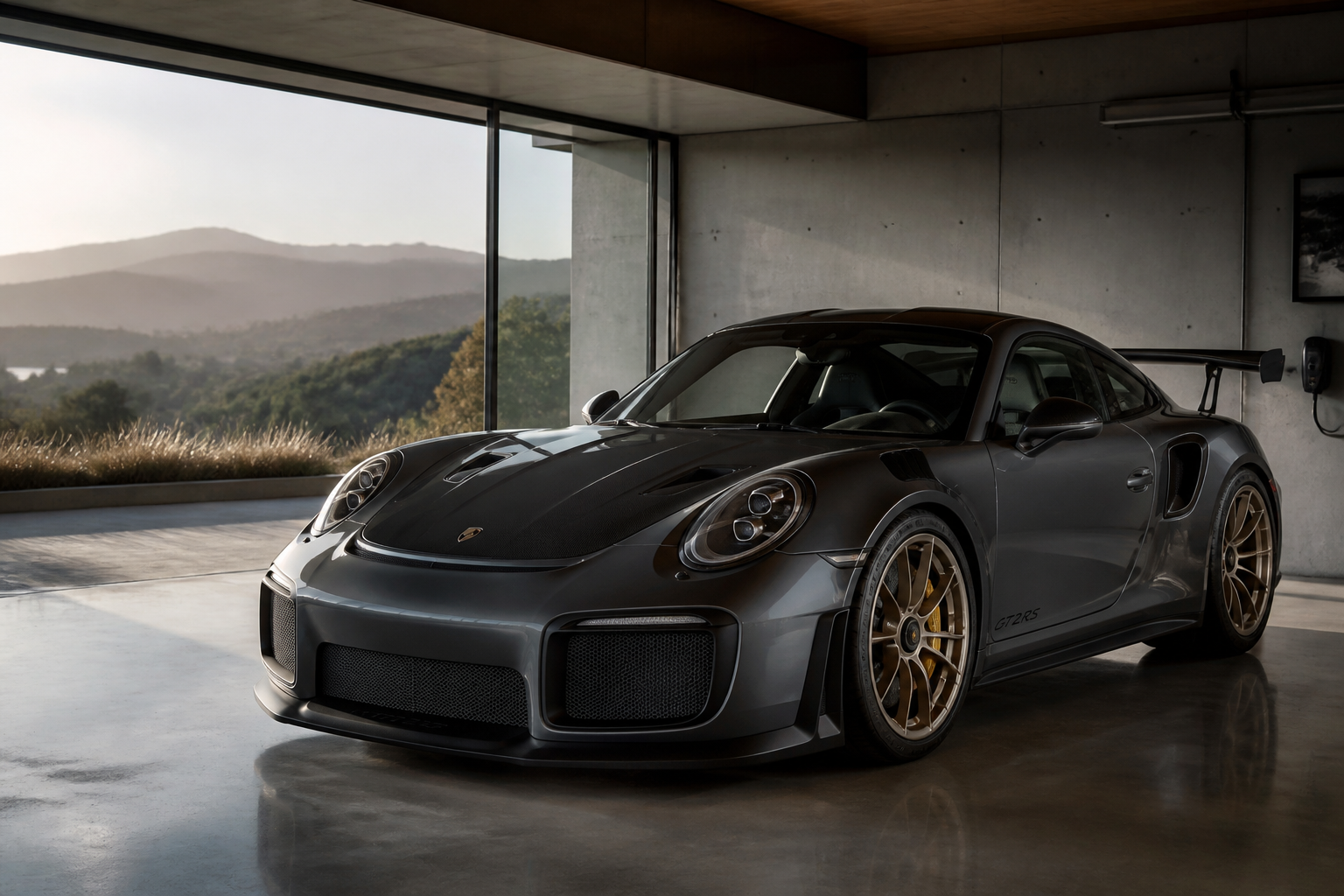
The Mustang GTD’s 6:57.685 lap time puts it in rarified air, slotting between the Mercedes-AMG GT Black Series and the Porsche 911 GT2 RS. For context, this is a production Mustang—not a stripped-out, roll-caged special edition—running a time that would have been considered hypercar territory just a decade ago.
Multimatic Motorsports test driver Dirk Müller piloted the GTD around the 12.9-mile circuit, navigating 73 turns with surgical precision. The lap was officially verified by Nürburgring officials and represents Ford’s most significant performance milestone since the GT supercar program.
The Engineering Behind the Speed
The Mustang GTD isn’t your grandfather’s pony car. Under the hood sits a supercharged 5.2-liter V8 producing over 800 horsepower, mated to an eight-speed dual-clutch transmission. But raw power alone doesn’t explain the lap time.
Ford equipped the GTD with technology borrowed directly from its GT3 and GT4 racing programs:
- Active aerodynamics including an adjustable rear wing and front splitter
- Semi-active suspension with adaptive dampers that respond in milliseconds
- Carbon ceramic brakes with massive 410mm front rotors
- Lightweight carbon fiber bodywork reducing overall mass
- Pushrod front suspension geometry—virtually unheard of in production cars
The pushrod suspension setup alone is engineering wizardry typically reserved for Formula 1 and endurance racing prototypes. It allows for more precise control of wheel movement and better aerodynamic packaging.
What This Means for American Performance Cars
The Mustang GTD’s Nürburgring achievement represents a paradigm shift. For decades, American muscle cars were dismissed by European enthusiasts as straight-line specialists that couldn’t handle corners. The GTD obliterates that narrative.
At a starting price of $325,000, the GTD isn’t cheap—but it’s undercutting cars like the Porsche 911 GT3 RS and Mercedes-AMG GT Black Series while delivering comparable or superior performance. Ford has essentially created a limited-production halo car that can legitimately compete with the world’s best track-focused machines.
Limited Production Means Exclusivity
Ford hasn’t disclosed exact production numbers, but the Mustang GTD will be manufactured in extremely limited quantities. The company hand-selected customers through an application process, ensuring buyers understand they’re getting a track-focused machine that happens to be street legal, not a daily driver.
Each GTD undergoes extensive quality control and performance verification before delivery, with Ford personally delivering many units to ensure customers understand the car’s capabilities and limitations.
The Competition Just Got Nervous
This lap time puts immediate pressure on Chevrolet’s Corvette Z06 and the upcoming ZR1, both of which are gunning for Nürburgring bragging rights. Dodge, though stepping back from traditional muscle cars, will also be watching closely as it develops its electric performance future.
European manufacturers, meanwhile, face an uncomfortable reality: a Mustang—a nameplate that started as an affordable secretary’s car in 1964—is now running lap times that embarrass six-figure supercars.
Looking Ahead: The Future of Ford Performance
The Mustang GTD’s success validates Ford’s strategy of creating ultra-high-performance halo vehicles that elevate the entire brand. Just as the original Ford GT showcased the company’s engineering prowess, the GTD demonstrates that Ford Performance isn’t just marketing speak.
With electrification looming over the entire automotive industry, the Mustang GTD might represent the apex of internal combustion performance from an American manufacturer. Ford has confirmed hybrid and electric performance variants are in development, but purists will likely point to the GTD as the pinnacle of what’s possible with a traditional V8.
As deliveries begin ramping up throughout 2025, expect to see more GTDs attacking tracks worldwide, potentially setting additional lap records and further cementing Ford’s reputation as a serious performance manufacturer on the global stage.