Key Facts
- EU introduces 350,000-unit annual cap on Chinese hybrid vehicle imports
- Trade measure directly restricts market access for Chinese automakers in Europe
- Policy reshapes competitive landscape for hybrid vehicles across EU markets
- Impacts pricing, supply chains, and strategic positioning for European and Asian manufacturers
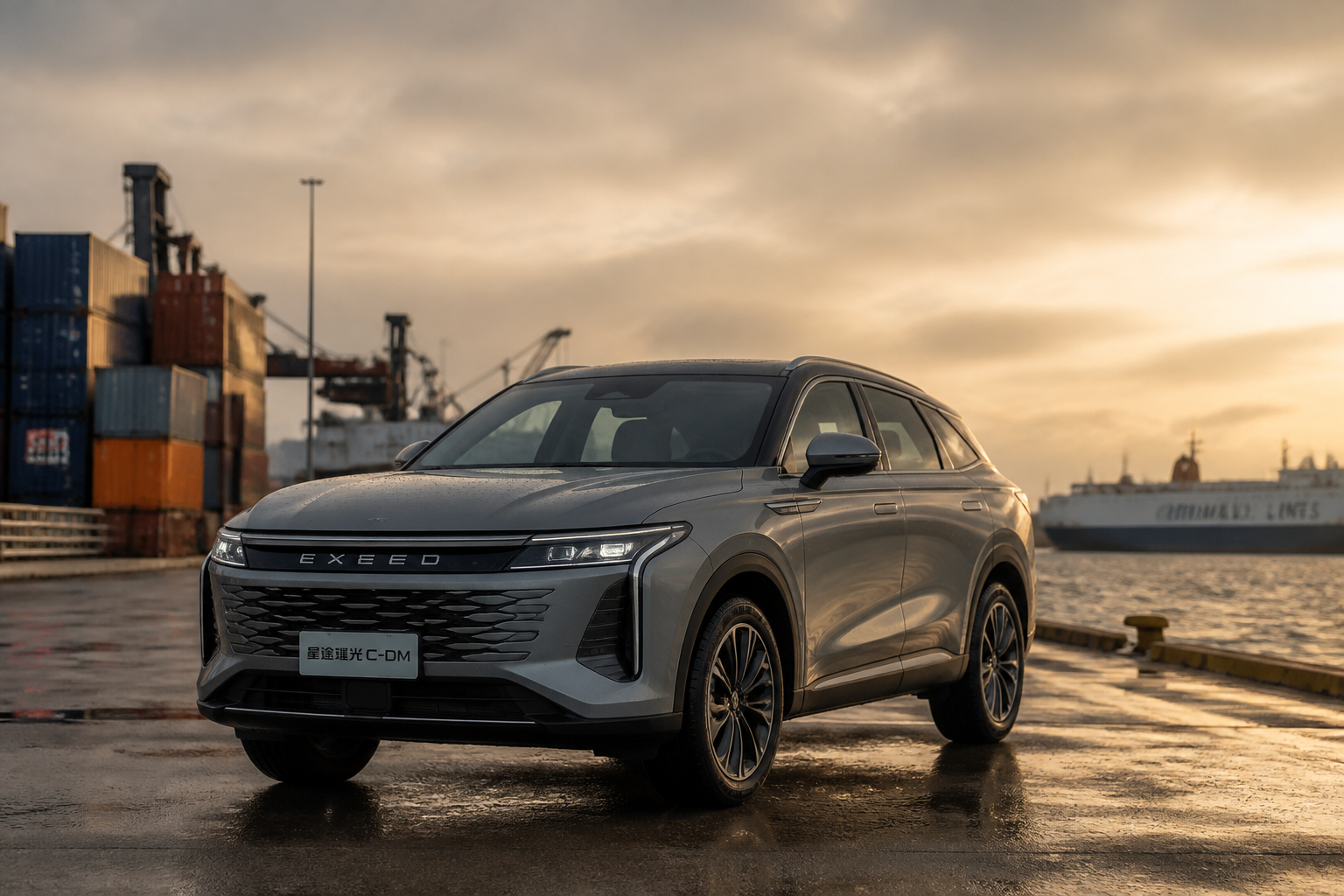
The European Union has implemented a strict annual cap of 350,000 vehicles on Chinese hybrid car imports, according to Bloomberg. The new trade restriction marks a significant escalation in Europe’s protectionist stance against Chinese automotive manufacturers seeking to expand their hybrid vehicle market share across the continent.
New Import Restrictions Target Chinese Automakers
The quota system represents a direct constraint on Chinese manufacturers’ ability to serve European customers with hybrid powertrains. Bloomberg reports that this trade action directly impacts EU market access for Chinese automakers seeking to expand hybrid vehicle sales in Europe.
The 350,000-unit ceiling arrives as Chinese manufacturers have been aggressively pursuing European market share with competitively priced hybrid models. Brands including BYD, Geely, and SAIC have invested heavily in developing hybrid technology specifically tailored for Western markets, where emissions regulations and consumer preferences increasingly favour electrified powertrains over traditional internal combustion engines.
Protectionist Policy Reshapes Competitive Dynamics
The EU’s quota system fundamentally alters the competitive landscape for hybrid vehicles across member states. European legacy manufacturers including Volkswagen Group, Stellantis, and Renault have struggled to match the pricing of Chinese hybrid offerings whilst maintaining profitability on electrified models. The import cap effectively shields these domestic producers from the full force of Chinese competition.
Japanese automakers Toyota and Honda, which have dominated the hybrid segment for decades, may paradoxically benefit from the policy despite not being European. With Chinese competitors constrained by the quota, Japanese manufacturers face less pricing pressure on their established hybrid model ranges. However, they remain exposed to potential future restrictions as European policymakers seek to protect continental manufacturing capacity.
Supply chain implications extend beyond final vehicle assembly. Chinese manufacturers have developed extensive component supplier networks for hybrid systems, including batteries, electric motors, and power electronics. The import cap may force affected automakers to restructure European operations, potentially establishing local assembly facilities to circumvent the restriction on imported vehicles whilst navigating complex rules-of-origin requirements.
Market Allocation and Strategic Responses
With a fixed 350,000-unit allocation, Chinese manufacturers face strategic decisions about model prioritisation and geographic distribution across EU member states. Germany, France, and the Nordic countries represent the largest markets for electrified vehicles, but manufacturers must weigh volume potential against regulatory environments and existing dealer networks.
Premium-positioned hybrid models may receive allocation priority over volume-oriented offerings, as manufacturers seek to maximise revenue within the constrained unit ceiling. This strategic shift could leave European buyers with fewer affordable hybrid options from Chinese brands, undermining one of the key value propositions that enabled their initial market penetration.
The policy creates an implicit scarcity dynamic that may paradoxically strengthen demand for Chinese hybrid models. Limited availability could enhance brand perception and support pricing power, partially offsetting the volume restrictions. However, manufacturers risk losing market momentum if allocation constraints prevent them from servicing customer demand during critical growth phases.
What This Means for Buyers
European consumers should expect reduced availability and potentially higher prices for Chinese hybrid vehicles as manufacturers adjust to the quota system. Buyers considering models from BYD, Geely, or other Chinese brands may face extended waiting periods as limited allocation is distributed across dealership networks.
The import cap indirectly benefits shoppers seeking European or Japanese hybrid models by reducing competitive pressure on pricing. Volkswagen, Toyota, and other established manufacturers may feel less urgency to discount hybrid offerings when Chinese alternatives face artificial scarcity. However, this protection from competition could also slow innovation and reduce the pace of price improvements that typically accompany market rivalry.
Long-term implications remain uncertain as affected manufacturers may pursue local production strategies to bypass import restrictions. Buyers should monitor whether Chinese automakers announce European manufacturing facilities that would allow them to sell hybrid vehicles outside the quota system, potentially restoring competitive dynamics and improving model availability within the next two to four years.
Broader Trade Policy Context
The hybrid vehicle quota follows earlier EU investigations into Chinese electric vehicle subsidies and previous tariff implementations on battery electric imports. European policymakers justify such measures as necessary responses to state support for Chinese manufacturers that allegedly distorts market competition. Chinese officials typically characterise these restrictions as protectionism that violates international trade principles and harms European consumers through reduced choice and higher prices.
The policy’s effectiveness at protecting European automotive employment and manufacturing capacity will depend on whether domestic producers successfully leverage the breathing space to accelerate their own hybrid development programmes. If European manufacturers fail to deliver competitive hybrid offerings whilst enjoying protection from Chinese imports, the quota may simply delay necessary industry transformation without securing long-term viability for continental automakers.