Key Facts
- Next-generation VW Atlas will target premium positioning starting with 2027 model year
- Atlas serves as Volkswagen’s flagship three-row SUV in North American markets
- VW Group brands including Volkswagen and Audi experienced double-digit sales drops in Q3 2024
- Strategic repositioning aims to compete in midsize-premium SUV segment amid market headwinds
Volkswagen is repositioning its flagship three-row Atlas SUV further upmarket for the 2027 model year, signaling a strategic shift toward premium positioning in the competitive midsize SUV segment. The move comes as Volkswagen and Audi reported double-digit sales declines in Q3, indicating broader market pressure on the VW Group in Tier-1 markets including the United States and Canada.
Atlas Repositioning Strategy
Volkswagen is moving the next-generation Atlas further upmarket for 2027, transforming the brand’s largest North American offering into a more premium proposition. The Atlas currently serves as VW’s flagship three-row SUV in North American markets, competing primarily in the mainstream midsize segment against vehicles like the Honda Pilot, Toyota Highlander, and Mazda CX-90.
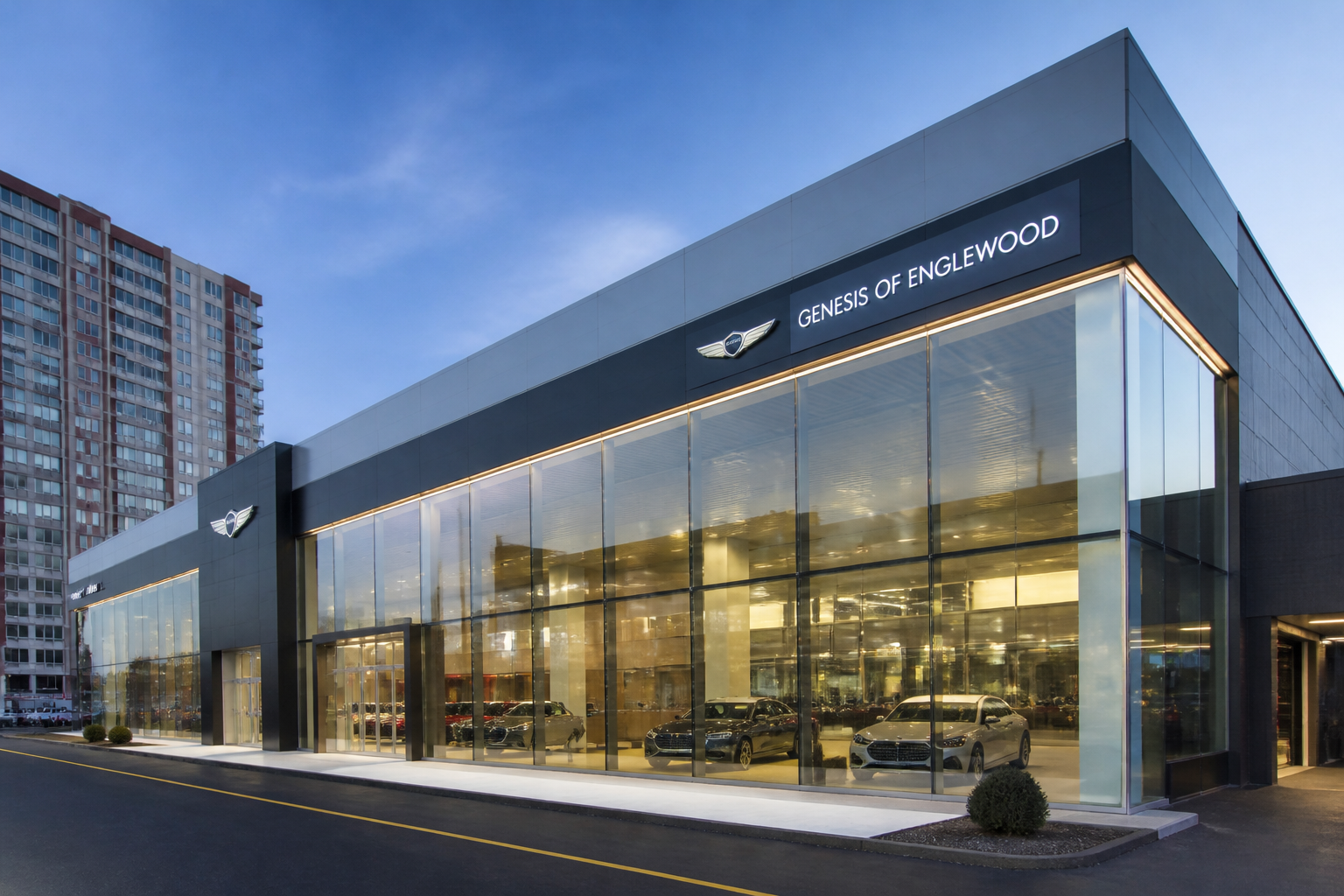
The upmarket push appears designed to position the Atlas closer to entry-luxury competitors including the Acura MDX, Genesis GV80, and Mazda CX-90, potentially enabling Volkswagen to command higher transaction prices and improve profit margins on its highest-volume North American SUV.
Timing Amid Sales Challenges
The strategic repositioning comes during a challenging period for the Volkswagen Group. With both the Volkswagen and Audi brands experiencing significant sales declines in the third quarter, the Atlas move suggests the company is pursuing brand elevation as a response to mounting market pressure rather than competing solely on volume.
The timing reflects broader trends in the North American SUV market, where automakers increasingly seek higher-margin premium products as overall industry volumes plateau. Three-row SUVs remain among the most profitable segments for manufacturers, particularly when positioned with premium features and pricing.
Competitive Landscape
The decision to reposition the Atlas upmarket places Volkswagen in direct competition with established players that have already carved out premium positioning in the three-row SUV segment. The current Atlas competes primarily on value and space, offering generous interior volume at competitive pricing relative to its mainstream rivals.
By moving upmarket, Volkswagen will need to justify premium pricing through enhanced materials, advanced technology, refined driving dynamics, and elevated brand perception—areas where the German automaker has historically struggled in North America compared to established luxury brands.
What This Means for Buyers
For prospective Atlas buyers, the 2027 model year will likely bring a significant pricing increase alongside enhanced features, materials, and technology. Current Atlas pricing starts around USD $35,000 for base models, while an upmarket repositioning could push entry prices toward USD $45,000 or higher, encroaching on entry-luxury territory.
Buyers seeking the spacious, value-oriented proposition of the current Atlas should consider purchasing before the 2027 changeover, as the next generation will likely target a different buyer demographic willing to pay premium prices for enhanced refinement. The move also signals Volkswagen’s reduced interest in competing on price in the North American market, potentially leaving a gap for more value-focused competitors.
Those interested in the premium three-row segment may find the repositioned Atlas offers German engineering and design at a price point below traditional luxury badges, though the success of that proposition will depend heavily on execution quality and perceived value relative to established competitors.
Outlook
The 2027 Atlas repositioning represents a calculated gamble for Volkswagen as it seeks to improve profitability and brand perception in North America. Success will require the automaker to deliver genuine premium quality while managing the risk of alienating existing Atlas buyers who value the current model’s combination of space and affordability.
As the 2027 launch approaches, industry observers will watch closely to see whether Volkswagen can execute the upmarket transition while maintaining sales volume in a segment where brand perception and dealer experience matter as much as product competitiveness. The stakes are particularly high given the Atlas’s importance to VW’s North American operations and the broader sales challenges facing the VW Group globally.