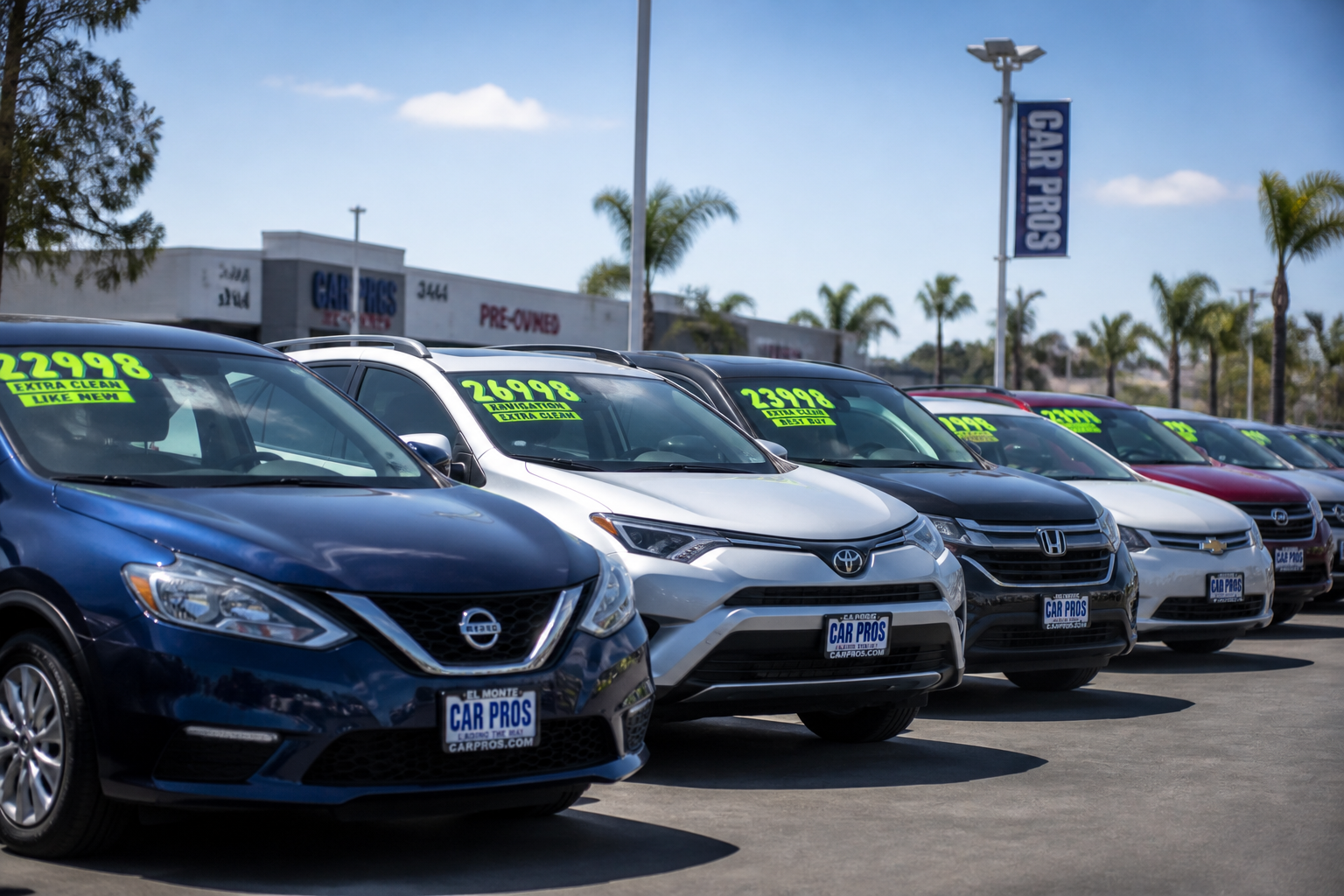
In a seismic shift that could reshape the global automotive landscape, Nissan and Honda have officially confirmed they’re exploring a merger that would create the world’s third-largest automaker. The bombshell announcement dropped this week as both Japanese giants struggle to compete against Tesla’s electric dominance and China’s rapidly advancing EV manufacturers.
Nissan Honda Merger: What’s Actually Happening
The two companies released a joint statement acknowledging “preliminary discussions” about forming a strategic partnership that could eventually lead to a full merger. If completed, the combined entity would produce nearly 8 million vehicles annually, trailing only Toyota and Volkswagen Group in global volume.
This isn’t just corporate positioning—it’s survival mode. Both manufacturers have watched their market share erode as Chinese brands like BYD flood markets with affordable EVs and Tesla maintains its technology leadership. A merger would pool resources for electric vehicle development, battery technology, and autonomous driving systems that neither company can efficiently develop alone.
Financial Pressure Behind the Deal
Nissan’s position has grown particularly precarious. The company slashed its annual profit forecast by 70% last month and announced 9,000 job cuts globally. Its aging lineup and slow EV transition have left it vulnerable, with operating margins among the lowest in the industry.
Honda, while financially stronger, faces its own challenges. The company’s electric vehicle portfolio remains thin compared to competitors, and its 2040 goal to phase out gasoline engines looks increasingly ambitious without major investment.
What a Combined Nissan-Honda Would Look Like
The potential merger would unite two brands with remarkably complementary strengths and minimal overlap in key markets:
- Combined Revenue: Approximately $191 billion annually
- Global Workforce: Over 400,000 employees
- Brand Portfolio: Nissan, Honda, Infiniti, Acura, and potentially Mitsubishi (in which Nissan holds a significant stake)
- Manufacturing Footprint: Dozens of plants across North America, Asia, and Europe
Honda’s reputation for reliability and engineering excellence could revitalize Nissan’s tarnished image following years of management scandals and quality concerns. Meanwhile, Nissan’s stronger presence in emerging markets and commercial vehicles would fill gaps in Honda’s portfolio.
The EV Development Angle
Perhaps most critically, a merged company could finally compete on electric vehicle development costs. Creating EV platforms, battery technology, and software requires billions in upfront investment—money that’s increasingly difficult to justify when spread across modest sales volumes.
Toyota has already demonstrated this strategy with its partnership approach, sharing EV components across multiple brands and partners. A Nissan-Honda combination would create similar economies of scale, potentially reducing per-vehicle development costs by 30% or more.
Regulatory Hurdles and Timeline Concerns
Don’t expect to see Honda-badged Nissan products next month. Any merger of this magnitude would require 18-24 months minimum for regulatory approval across multiple continents. Antitrust reviews in the United States, European Union, China, and Japan would scrutinize market concentration in specific segments.
The companies would also need to navigate complex cross-shareholding structures. Renault owns 43% of Nissan through a long-standing alliance that’s produced mixed results. How the French automaker fits into a Nissan-Honda combination remains unclear, though early reports suggest Renault might reduce its stake to facilitate the deal.
Cultural Integration Challenges
Japanese corporate culture makes this merger particularly complex. Both companies maintain distinct engineering philosophies and corporate identities built over decades. Honda’s motorcycle heritage and performance focus contrasts with Nissan’s more mainstream approach and troubled recent history.
Previous mega-mergers in the automotive industry—Daimler-Chrysler, anyone?—serve as cautionary tales about cultural clashes undermining theoretical synergies.
What This Means for Car Buyers
In the short term, expect business as usual. Current model lineups will continue unchanged, and dealer networks will remain separate for years even if the merger proceeds.
Longer term, platform sharing could bring better technology to more affordable price points. Imagine Honda’s hybrid expertise combined with Nissan’s e-Power technology, or a unified electric vehicle architecture spanning compact cars to full-size trucks.
The merger could also accelerate electrification timelines as combined resources enable faster development cycles. However, there’s also risk of bland homogenization if accountants prioritize cost-cutting over maintaining distinct brand characters.
The Road Ahead
This merger talk represents more than two companies joining forces—it’s acknowledgment that the automotive industry’s transformation has created a new reality where even major manufacturers can’t go it alone. Chinese competition, software-defined vehicles, and electrification have raised the stakes beyond what traditional mid-tier automakers can manage independently.
Whether Nissan and Honda actually complete this merger remains uncertain. Talks could collapse over valuation disagreements, regulatory concerns, or cultural incompatibility. But the mere fact these discussions are happening signals how dramatically the automotive landscape has shifted. In today’s industry, yesterday’s rivals are tomorrow’s survival partners.