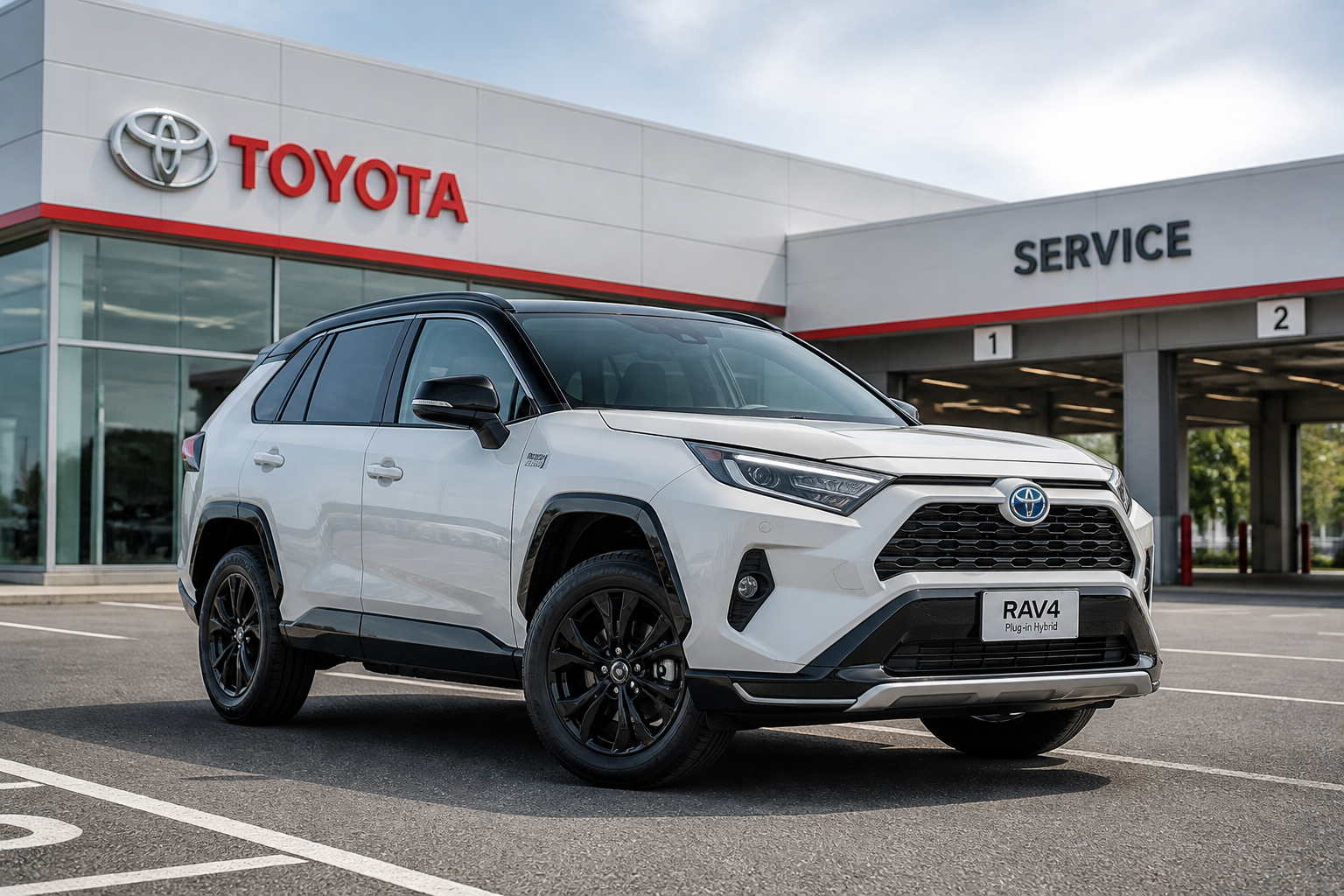
Auto glass repair claims in the United States are increasing in 2026 as advanced driver-assistance systems (ADAS) become more widely integrated into windshield assemblies. Modern vehicles increasingly house cameras, rain sensors, and other electronic components directly within the glass structure, raising repair complexity.
Manufacturers including Toyota Motor Corporation, Ford Motor Company, General Motors, and Tesla, Inc. have expanded deployment of forward-facing cameras and sensor modules that support driver-assistance functions such as lane-keeping systems, adaptive cruise control, and collision mitigation.
As a result, windshield replacement procedures increasingly require electronic recalibration following installation. Even minor glass damage can necessitate specialized service procedures to ensure sensors remain aligned with vehicle safety systems.
Insurance providers report that calibration requirements are contributing to higher claim costs. While the physical glass replacement may remain straightforward, the additional diagnostic and calibration steps extend service time and require specialized equipment.
Dealership service departments and certified repair centers are investing in updated calibration tools and technician training to accommodate the shift. Accurate alignment of camera systems is essential for maintaining proper ADAS functionality and compliance with manufacturer specifications.
Consumer awareness of ADAS-related repair procedures is also increasing. Drivers may initially view windshield damage as a minor issue, but the presence of embedded sensors can elevate the importance of proper replacement protocols.
Supply chain coordination between glass manufacturers, vehicle OEMs, and repair providers has become more critical as sensor-equipped windshields grow more common across both mainstream and luxury segments.
Industry analysts characterize the increase in glass repair claims as a structural consequence of vehicle technology integration rather than a temporary spike in damage incidents. As ADAS adoption expands across new vehicles, the proportion of sensor-equipped windshields is expected to rise steadily.
Looking ahead, continued growth in ADAS-equipped vehicles will likely sustain higher service complexity within the automotive glass repair market. Within a rapidly evolving safety technology landscape, accurate calibration processes remain central to maintaining system reliability.