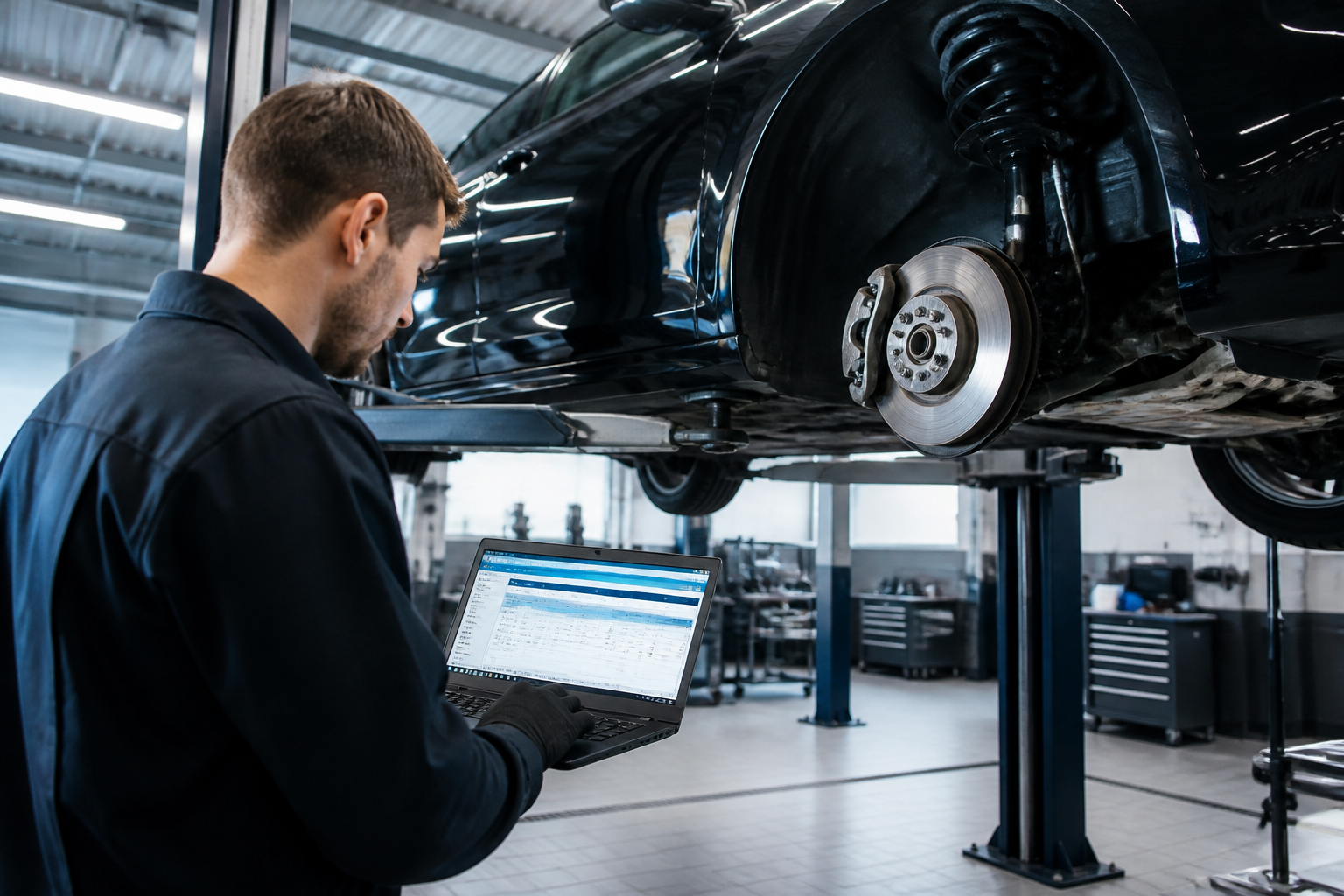
Auto parts retailers across the United States are reporting stable demand from do-it-yourself (DIY) repair customers in 2026, reflecting consistent vehicle ownership trends and cautious consumer spending behavior. While professional repair channels remain active, the DIY segment continues to represent a dependable revenue stream for national parts chains.
Retailers such as AutoZone, Inc., O’Reilly Automotive, Inc., Advance Auto Parts, Inc., and Genuine Parts Company maintain steady store traffic driven by routine maintenance needs. Oil filters, brake components, batteries, and engine sensors remain among the most frequently purchased categories.
The aging U.S. vehicle fleet continues to support DIY engagement. As vehicles remain in service longer, owners increasingly opt for lower-cost maintenance solutions when feasible. Basic repairs and preventive servicing often present manageable tasks for experienced consumers.
Pricing sensitivity plays a role in sustaining DIY activity. Elevated labor rates at service centers and higher overall ownership costs encourage some drivers to complete minor repairs independently. Retailers are responding with expanded product assortments and instructional resources.
Digital platforms have further supported engagement. Online parts lookup tools, instructional videos, and mobile applications enhance purchasing convenience while reinforcing customer confidence in self-performed maintenance.
Seasonal factors also influence DIY demand patterns. Warmer months typically generate higher sales of cooling system components, air conditioning parts, and travel-related maintenance items. However, year-round essentials such as batteries and brake pads provide baseline stability.
Wholesale pricing conditions remain relatively predictable compared with earlier volatility. Stable parts supply chains help retailers maintain consistent inventory availability and pricing structures.
Industry analysts characterize the current environment as balanced rather than growth-driven. DIY demand is not accelerating sharply, but it remains resilient amid broader shifts in automotive spending patterns.
Looking ahead, DIY repair demand will likely depend on vehicle aging trends, consumer income stability, and evolving vehicle technology complexity. While advanced electronics may limit certain self-repair tasks over time, foundational maintenance categories continue to anchor the retail auto parts segment.