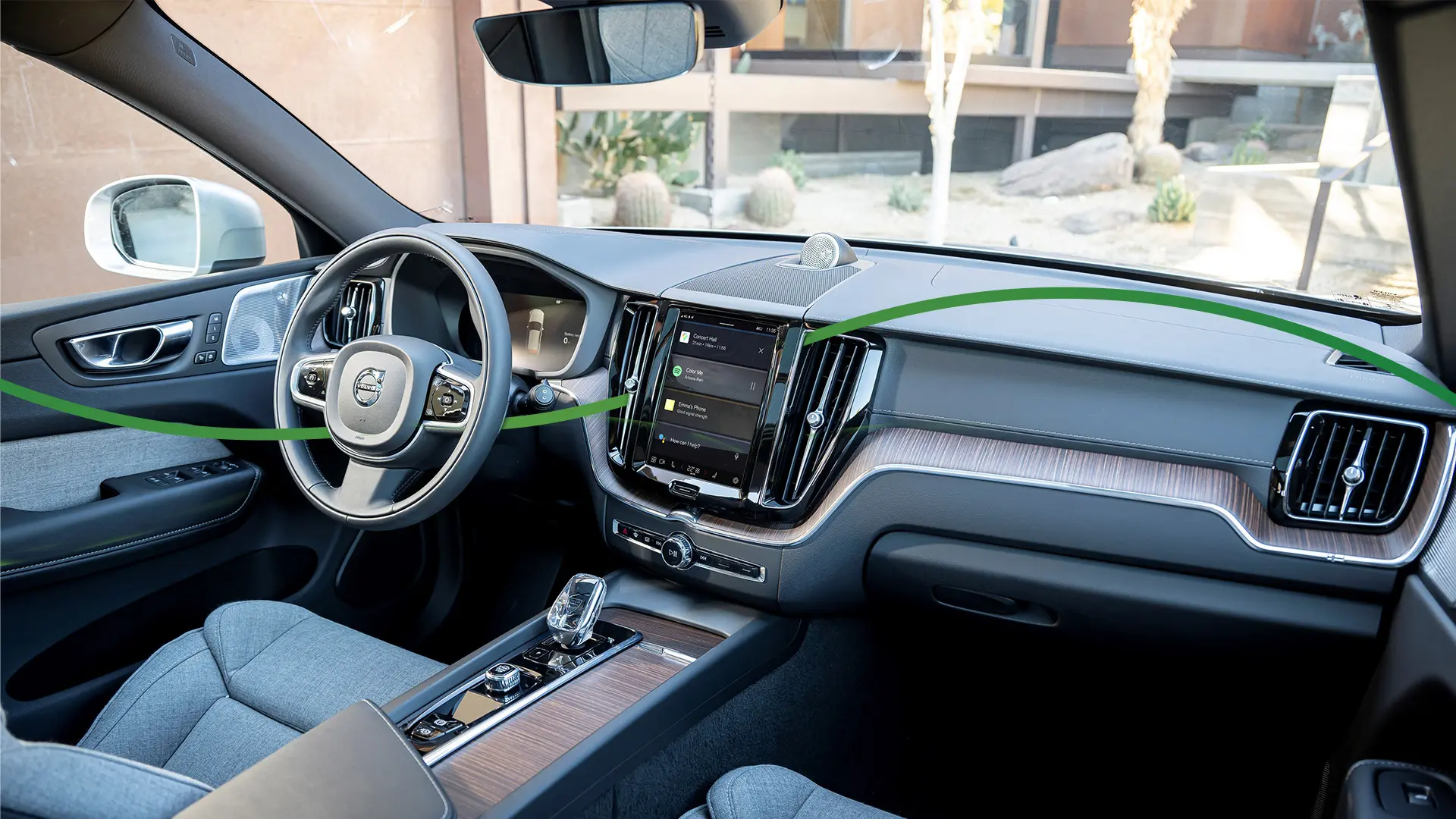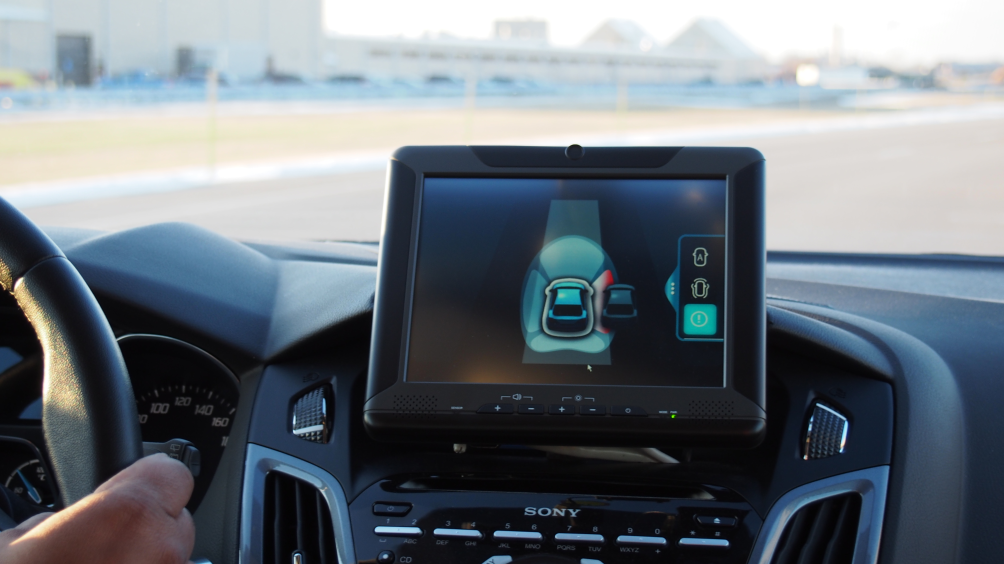
Automakers are expanding over-the-air (OTA) software update capabilities across vehicle fleets in 2026 as connected vehicle technology becomes more deeply integrated into modern automotive platforms. OTA systems allow manufacturers to deliver software improvements remotely without requiring dealership visits.
Companies including Tesla, Inc., Ford Motor Company, General Motors, and Volkswagen Group are expanding software update capabilities to support a wider range of vehicle functions.
Originally used primarily for infotainment updates, OTA technology now extends to vehicle performance, battery management systems, driver-assistance features, and security patches. This broader functionality allows manufacturers to enhance vehicle capabilities throughout the ownership lifecycle.
Software-defined vehicle architectures are making OTA updates increasingly feasible. Modern electronic control systems are designed to support remote programming while maintaining strict safety validation protocols.
For consumers, OTA updates can introduce new features or improve existing systems without requiring service appointments. Updates may include user interface improvements, navigation enhancements, or efficiency optimizations.
From an operational perspective, remote updates also allow automakers to respond quickly to software-related issues. Manufacturers can deploy fixes across entire vehicle fleets in a coordinated manner.
Cybersecurity considerations remain central to OTA system development. Automakers are implementing encrypted communication protocols and secure authentication frameworks to protect vehicles from unauthorized access.
Regulatory bodies are also establishing guidelines governing software updates in connected vehicles. Compliance with safety standards and reporting requirements is becoming increasingly important as OTA adoption expands.
Industry analysts view OTA capability as a defining characteristic of next-generation vehicles. As automotive systems become more software-driven, the ability to update vehicle functionality remotely is expected to become a standard feature.
Looking ahead, continued advances in connectivity infrastructure and vehicle software architecture will likely expand OTA capabilities further. Within an increasingly digital automotive ecosystem, remote software updates represent a key component of long-term vehicle lifecycle management.