Key Facts
- BMW recalls 29,119 plug-in hybrids (330e, 530e xDrive, 740Le xDrive) for starter motor fire hazard
- Fourth recall wave since 2025 brings total affected BMW vehicles to over 300,000 in the US
- NHTSA advises parking outside until remedy complete; dealer notifications begin August 28, 2026
- No injuries reported; dealers will replace starters free of charge with redesigned components
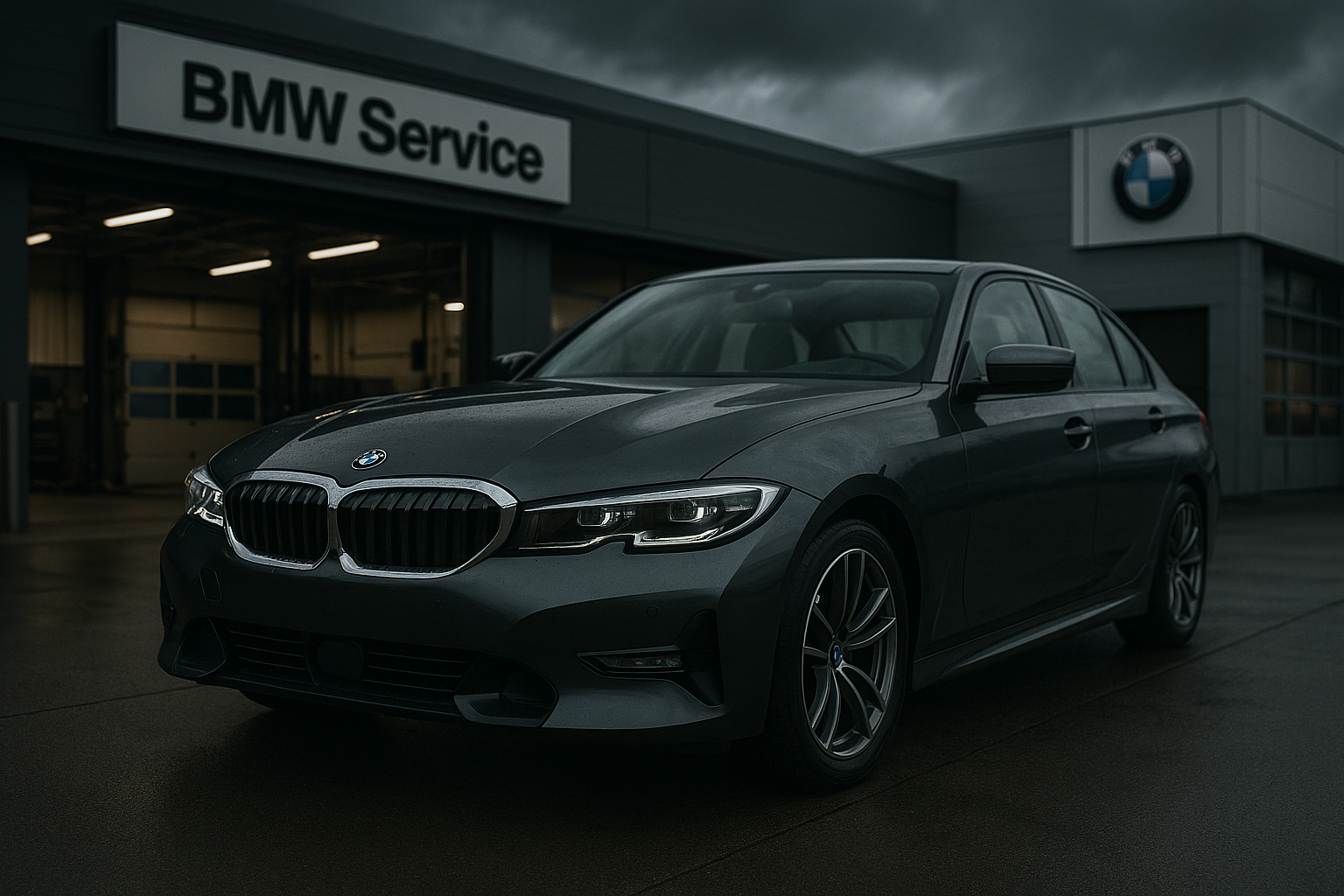
BMW is recalling 29,119 plug-in hybrid sedans in the United States due to defective engine starters that can corrode or overheat, potentially causing fires even when vehicles are parked with the ignition off. The National Highway Traffic Safety Administration has advised owners to park their vehicles outside and away from structures until repairs are completed.
The recall affects BMW 330e, 530e xDrive, and 740Le xDrive iPerformance models and represents the fourth wave of BMW’s multi-year starter relay recall campaign that has now touched over 300,000 vehicles in the US since 2025. Dealer notification letters are scheduled to be mailed by August 28, 2026, according to NHTSA advisories.
History of BMW’s Starter Fire Problem
This latest action follows BMW’s February 2026 recall affecting 87,394 vehicles and a September 2025 campaign covering approximately 196,355 vehicles including the Toyota Supra, all for similar starter motor fire hazards. The persistent nature of the defect across multiple model years and vehicle lines suggests a systemic engineering issue with the component design rather than an isolated manufacturing problem.
BMW discovered the current defect after testing 150 starters returned from in-service vehicles between January and April 2026 and learning of two field incidents, according to CarBuzz reporting. The company reports no injuries or accidents related to the issue.
Affected Models and Technology
All affected models use BMW’s older four-cylinder plug-in hybrid system with up to 21 miles of electric range, a platform that has since been replaced by six-cylinder PHEVs with nearly double the range, Autoblog reports. The iPerformance branding represented BMW’s first-generation approach to plug-in hybrid technology, combining turbocharged gasoline engines with electric motors and battery packs.
The recall specifically targets vehicles equipped with the problematic starter component that can fail due to corrosion or overheating. The particular risk stems from the starter’s potential to malfunction even when the vehicle is completely powered down, creating a fire hazard in garages and parking structures.
Repair Process and Owner Reimbursement
Dealers will replace the affected engine starters with a newly designed component free of charge, and owners who previously paid for repairs at their own expense may be eligible for reimbursement, according to MotorBiscuit. BMW has not disclosed the typical repair timeframe, though starter replacement is generally a straightforward procedure that can be completed within a few hours at authorized service centers.
Owners seeking reimbursement for prior repairs should contact BMW customer service with documentation of the work performed. The company typically requires proof of payment and confirmation that the repair addressed the specific defect covered by the recall campaign.
What This Means for Buyers
The escalating scope of BMW’s starter fire crisis raises serious questions about the German automaker’s Ford Recalls Nearly 1 Million Vehicles Amid ‘Quality First’ Marketing Campaign”>quality control and engineering validation processes during a critical period of electrification transition. Four separate recall waves affecting over 300,000 vehicles since 2025 represent a significant reliability setback for a brand that has invested heavily in improving its reputation for dependability.
For prospective BMW plug-in hybrid buyers, the recall underscores the importance of verifying that any used iPerformance model has received all applicable safety updates. The company’s shift to newer six-cylinder plug-in hybrid systems with redesigned components suggests BMW has addressed the underlying engineering flaw in current-generation models, though the older platform’s persistent problems may impact resale values and buyer confidence in first-generation BMW electrified vehicles.
Current owners of affected vehicles should comply immediately with NHTSA’s parking guidance and schedule service appointments as soon as parts become available. While BMW reports no injuries to date, the potential for fire when vehicles are unattended and powered off represents a serious safety concern that warrants urgent attention.
The recall also highlights broader industry challenges as legacy automakers accelerate electrification timelines while managing complex powertrains that combine traditional internal combustion components with new electric systems. The interaction between conventional starter motors and plug-in hybrid architectures appears to have created unforeseen failure modes that required multiple recall actions to fully address.