Key Facts
- Car ownership costs have increased significantly across all major expense categories
- Used-car affordability has reached crisis levels in Tier-1 markets as pricing pressures persist
- Insurance, maintenance, and financing costs are key drivers of the ownership cost spike
- Budget-conscious buyers face difficult choices between stretching finances or delaying purchases
The cost of owning a car has risen dramatically across developed markets, creating an affordability crisis that extends from new-car showrooms to used-car lots. Surging insurance premiums, elevated financing rates, and persistent used-vehicle pricing pressures are combining to squeeze household budgets in the US, UK, Canada, Australia, and Europe.
According to reporting from Autoweek, the cost to own a car has suddenly increased significantly, catching many consumers off-guard. The spike encompasses multiple ownership dimensions, from upfront purchase prices to ongoing operational expenses that accumulate over a vehicle’s lifetime.
The Used-Car Affordability Crisis
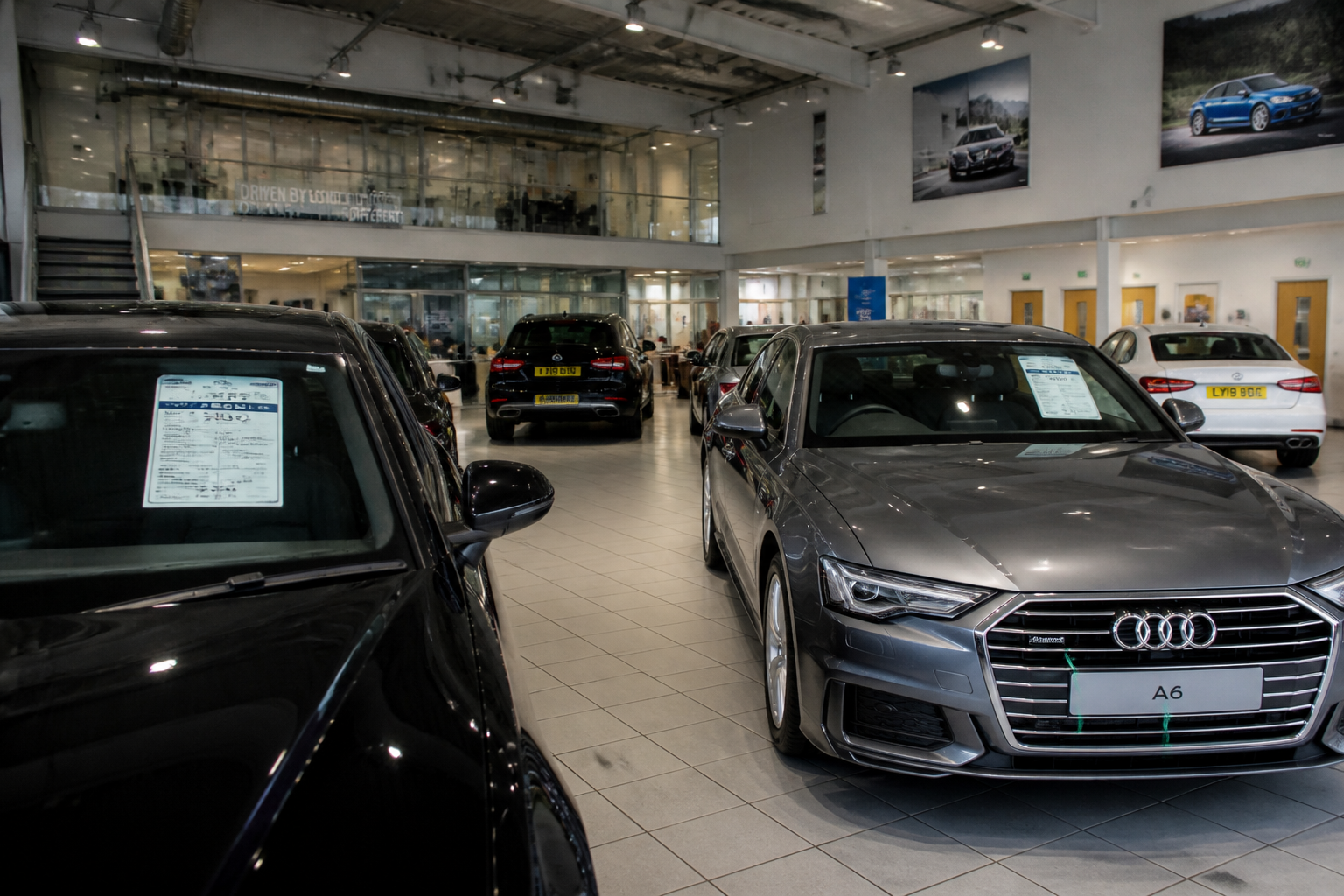
The traditional escape route for budget-conscious buyers—purchasing a used vehicle—has become increasingly difficult to navigate. Automotive News reports that an affordability crisis is hitting the used-car lot, with pricing pressures impacting consumers across all Tier-1 markets.
Used vehicles that once represented accessible entry points into car ownership now carry price tags that rival what new cars commanded just a few years ago. Supply constraints from pandemic-era production disruptions continue to reverberate through the used market, while demand remains robust as consumers seek alternatives to even-pricier new vehicles.
The affordability squeeze is particularly acute for first-time buyers, young families, and lower-income households who traditionally relied on the used market for transportation. These consumers now face a choice between stretching already-tight budgets or going without personal transportation altogether.
Insurance Costs Accelerate
Beyond purchase prices, insurance premiums have become a major pain point for vehicle owners. Insurers across North America, the UK, and Australia have raised rates substantially, citing increased repair costs driven by advanced vehicle technology, supply-chain pressures on replacement parts, and higher labour rates at body shops.
Modern vehicles equipped with advanced driver-assistance systems, cameras, and sensors cost significantly more to repair after even minor collisions. A simple fender-bender that once required bumper replacement now often involves recalibrating radar units and replacing cameras, pushing repair bills into the thousands.
Young drivers and those in urban areas face particularly steep premiums, with annual insurance costs in some markets now exceeding £2,000 or $3,000—a figure that can rival monthly car payments for budget vehicles.
Financing and Maintenance Pressures
Elevated interest rates have compounded affordability challenges. Borrowers in the US, Canada, and UK face auto loan and hire-purchase rates that have roughly doubled from pandemic-era lows. A £20,000 used car financed at 8% instead of 4% adds hundreds of pounds to annual ownership costs.
Maintenance expenses have similarly climbed. Synthetic oil changes, complex electronic diagnostics, and specialized parts for turbocharged engines and hybrid powertrains all contribute to higher service bills. Independent mechanics report customers delaying routine maintenance or opting for cheaper aftermarket parts to manage costs—decisions that can compromise reliability and safety.
What This Means for Buyers
Consumers navigating this challenging environment should reassess their vehicle needs and explore strategies to minimize total ownership costs. Prioritizing reliability over features can pay dividends, as mechanically simpler vehicles typically cost less to insure, maintain, and repair.
Buyers should secure financing pre-approval to understand true affordability before shopping, factoring in insurance quotes for specific models. Vehicles with strong reliability records, affordable parts availability, and lower insurance group ratings deliver better value over ownership lifecycles.
Consider extending ownership timelines when possible. Keeping a well-maintained vehicle for an additional two to three years avoids transaction costs and the depreciation hit associated with frequent trading. For those who can delay purchases, waiting for inventory normalization may yield better pricing opportunities as markets gradually rebalance.
Shopping across vehicle segments can also uncover value. Sedans and hatchbacks often cost less to insure and maintain than SUVs and trucks, while delivering similar practical utility for many households. Buyers should also compare total ownership costs—not just purchase prices—using online calculators that account for fuel, insurance, maintenance, and depreciation.
Regional Variations and Market Outlook
The affordability crisis manifests differently across markets. US buyers contend with higher average transaction prices but benefit from larger vehicle selection. UK and European consumers face tighter supplies of affordable used vehicles, while Australians grapple with import constraints and distance-related logistics costs.
Canadian buyers face a particularly difficult environment, with elevated prices, harsh winter conditions demanding costly maintenance, and insurance rates climbing in provinces like Ontario and British Columbia.
Industry analysts anticipate gradual improvement as new-vehicle production normalizes and more recent-model vehicles enter the used market. However, structural cost increases—particularly in insurance and financing—are likely to persist, keeping overall ownership costs elevated compared to pre-pandemic levels.
For now, prospective buyers must navigate a market where affordability remains constrained and careful budgeting is essential. Those willing to compromise on wants versus needs, prioritize long-term value, and shop strategically can still find workable solutions—but the days of cheap, accessible car ownership appear firmly in the rearview mirror.