Key Facts
- Dealers are actively building inventory, indicating improved automotive supply conditions
- Inventory expansion is translating to pricing relief for consumers across US, UK, Canada, and Australia
- Market analysis from Kelley Blue Book confirms positive pricing trends for 2025 buyers
- Improved stock levels directly impact purchase affordability and buyer negotiating power
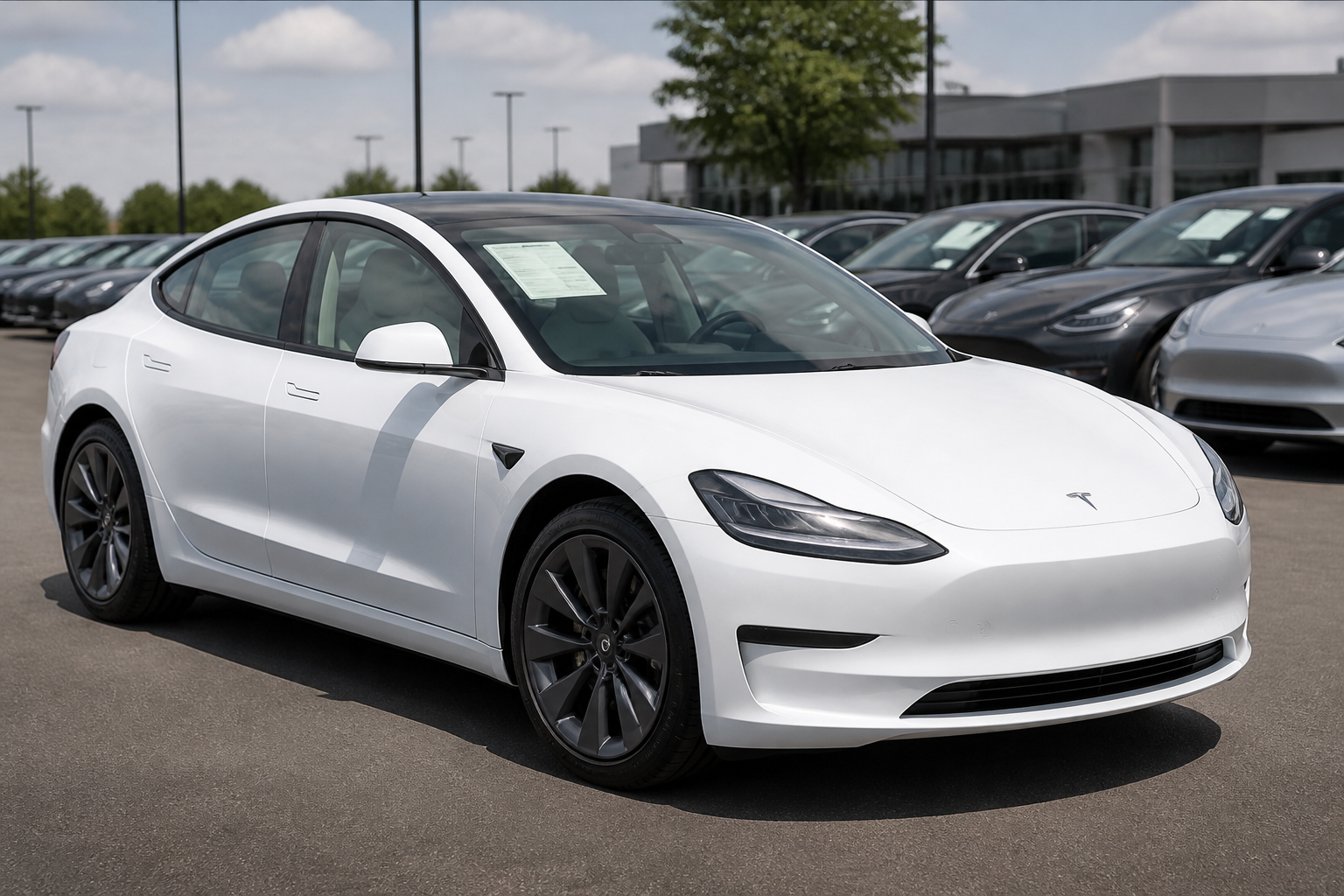
Automotive dealers across major English-speaking markets are actively rebuilding inventory levels, signaling a significant shift in supply conditions that is beginning to ease vehicle prices for consumers. The inventory recovery, documented by leading automotive valuation authority Kelley Blue Book, marks a turning point for car buyers who have faced elevated prices and limited selection since the pandemic-era supply chain disruptions.
Inventory Levels Climbing After Years of Shortage
According to market data from Kelley Blue Book, dealers are actively building inventory across North America and other Tier-1 markets, representing a fundamental improvement in supply chain conditions. This inventory expansion comes after several years where depleted dealer lots forced consumers to pay premium prices, often above manufacturer suggested retail prices, with limited ability to negotiate.
The improved stock situation reflects stabilization in semiconductor supplies, normalized production schedules at manufacturing facilities, and reduced logistics bottlenecks that plagued the automotive sector from 2020 through 2023. Dealers now have more vehicles on their forecourts, giving buyers increased selection across segments from compact cars to full-size trucks and SUVs.
Pricing Relief Emerges for Consumers
The positive news on vehicle pricing represents a significant development for consumers who have delayed purchases due to affordability concerns. As inventory levels rise, the traditional dynamics of automotive retail are reasserting themselves, with dealers competing more aggressively for sales through discounts, incentives, and greater willingness to negotiate on transaction prices.
The inventory recovery impacts purchase affordability across the United States, United Kingdom, Canada, and Australia markets, where consumers have faced similar challenges with vehicle availability and pricing pressure. In the US market, average transaction prices had climbed above $48,000 during the shortage period, while UK buyers similarly experienced reduced discounting and elevated showroom prices across popular segments.
Market Dynamics Shifting in Buyers’ Favor
The expanded inventory environment represents a fundamental power shift in the buyer-dealer relationship. During the shortage years, consumers had limited leverage, often accepting whatever vehicles were available at asking prices or above. With fuller lots, buyers can now comparison shop more effectively, negotiate more assertively, and avoid the pressure tactics that became common when demand vastly exceeded supply.
This shift is particularly pronounced in segments that were hardest hit by shortages, including popular mid-size SUVs, pickup trucks, and family sedans. Dealers who previously maintained waiting lists for high-demand models are now actively marketing available inventory and offering incentives to move units.
What This Means for Buyers
For consumers considering vehicle purchases in 2025, the inventory recovery presents a strategic opportunity to secure better deals than were possible in recent years. Buyers should approach the market with renewed confidence in their negotiating position, armed with knowledge that dealers have inventory to move and face competition for sales.
Timing becomes crucial for maximizing value. As inventory continues to build through the first half of 2025, pricing pressure should intensify, potentially creating optimal buying windows during traditional slow periods such as late winter and early autumn. Buyers should research current inventory levels at multiple dealerships, compare pricing across competitors, and avoid rushing into purchases without exploring all available options.
The improved supply situation also means buyers can be more selective about specifications, colors, and option packages rather than settling for whatever is available. This selectivity extends to both new and used markets, as increased new vehicle availability typically cascades into improved used vehicle supply and pricing as trade-ins increase.
For budget-conscious buyers, the inventory recovery may also trigger more aggressive manufacturer incentives, including low-interest financing, cashback offers, and lease programs that were largely absent during the shortage period. Monitoring manufacturer and dealer incentive programs will be essential for securing maximum value.
However, buyers should remain aware that while conditions are improving, the market has not fully returned to pre-pandemic norms. Inventory levels, though rising, may still trail historical averages in some segments, and pricing relief will likely be gradual rather than immediate. Patient, informed buyers who research thoroughly and negotiate firmly will be best positioned to benefit from the evolving market dynamics.