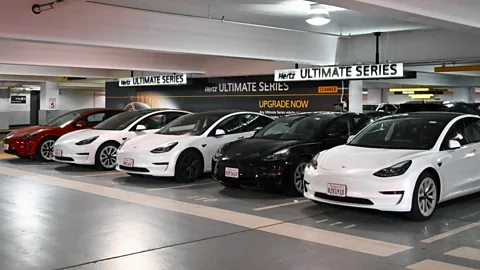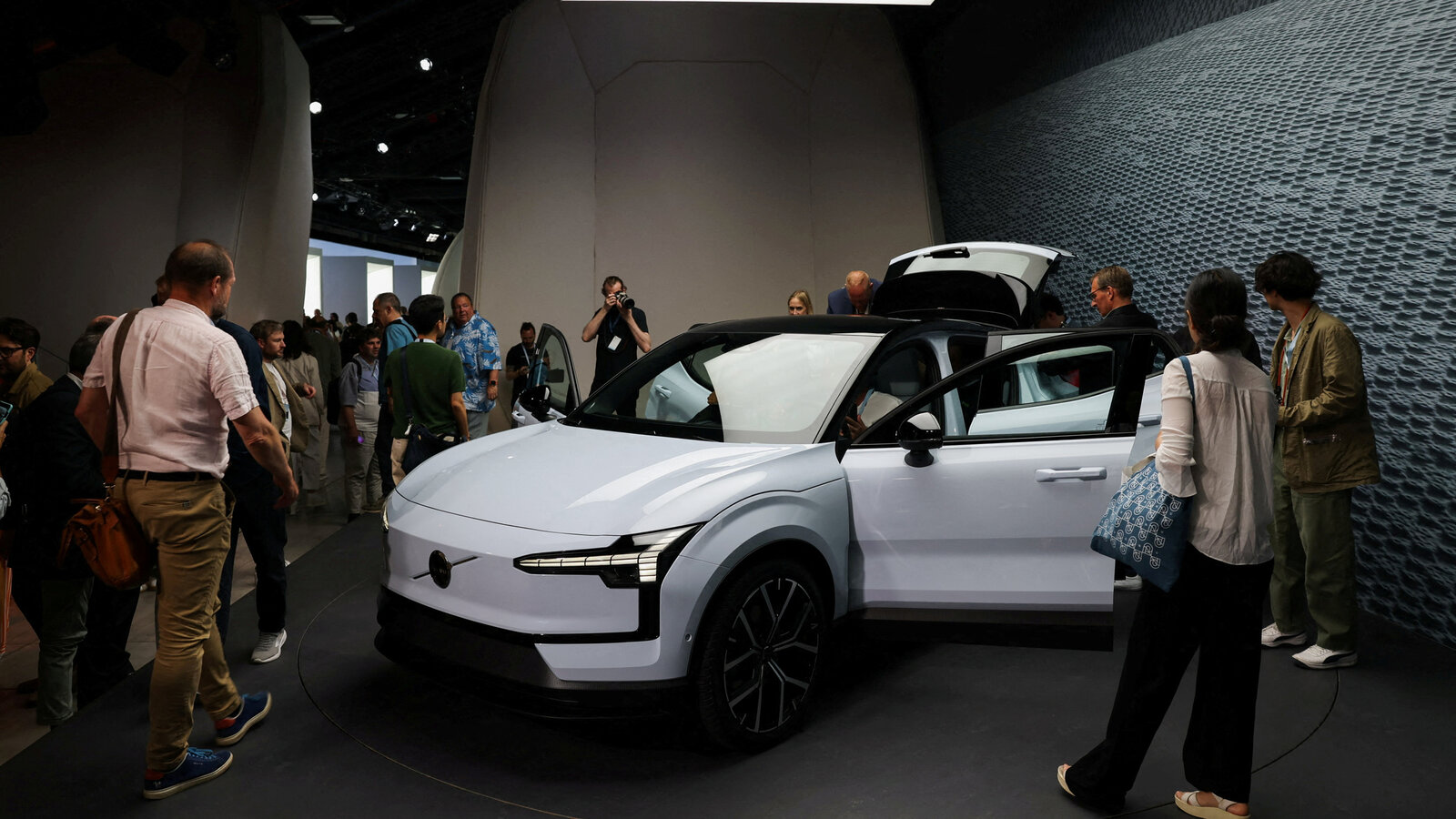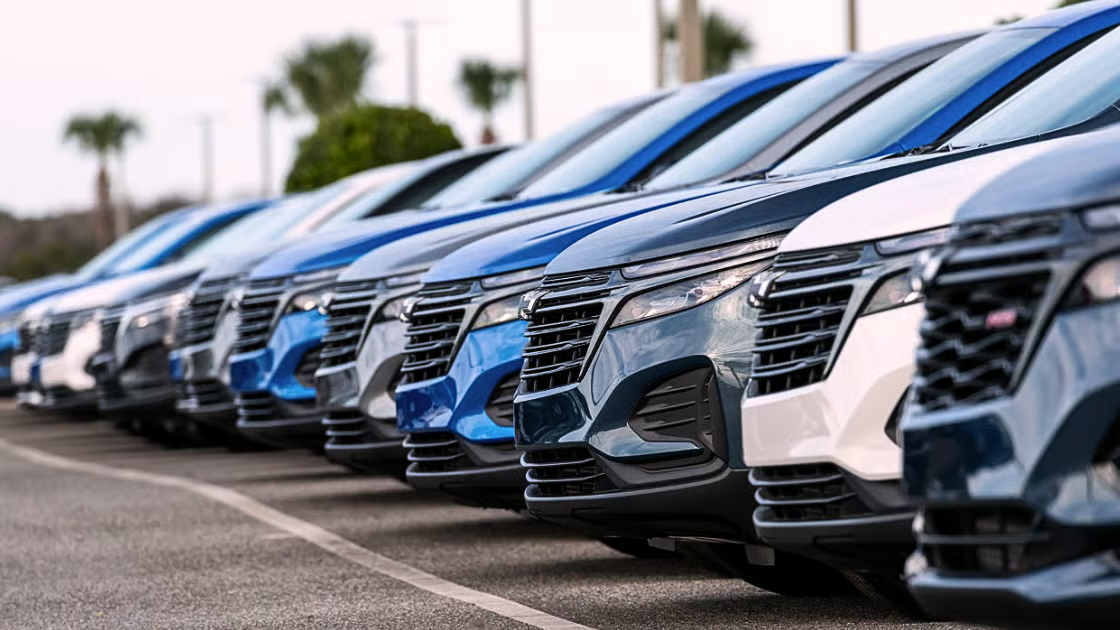
Auto dealers across the United States are increasingly relying on financing incentives to keep vehicles moving as interest rates remain elevated. With borrowing costs still well above pre pandemic levels, dealers and manufacturers are using subsidized loans, special APR offers, and lease incentives to offset affordability pressures and sustain sales volumes.
While vehicle prices have stabilized after years of volatility, monthly payments continue to be the primary obstacle for many buyers. High interest rates have widened the gap between sticker prices and what consumers feel comfortable paying. In response, dealers are leaning heavily on financing tools to bridge that gap and close deals.
Zero percent and low APR offers are becoming more common, particularly on vehicles with rising inventory levels. Manufacturers are absorbing much of the cost through interest rate buydowns, allowing dealers to advertise more attractive payment terms without cutting prices outright. For buyers, the difference between a market rate loan and a subsidized offer can amount to hundreds of dollars per month.
Leasing has also regained prominence. Dealers report increased interest in lease deals that offer lower monthly payments and shorter commitment periods. As uncertainty around resale values and long term ownership costs persists, leasing is appealing to consumers who want flexibility while avoiding high financing charges.
The strategy reflects a broader shift away from price driven incentives. Rather than reducing MSRPs, automakers prefer to protect brand value and residuals by using financing support to stimulate demand. This approach helps clear inventory while limiting the impact on future pricing power.
Dealers say the effectiveness of financing incentives varies by segment. Mainstream vehicles explain most of the volume, while higher priced models still require additional incentives to move. Entry level buyers benefit the most from subsidized rates, as even small changes in APR significantly affect affordability.
The reliance on financing incentives carries risks. Extended use of aggressive offers can compress margins and train consumers to delay purchases in anticipation of better deals. Dealers also face higher exposure if economic conditions worsen or credit performance deteriorates.
Still, with interest rates expected to remain elevated in the near term, few alternatives exist. Dealers view financing incentives as a necessary tool rather than a temporary tactic. Without them, sales volumes would likely soften further, especially among payment sensitive buyers.
As the year progresses, financing support is expected to remain a central feature of dealer strategy. Until borrowing costs ease meaningfully, incentives tied to loans and leases will continue to play a critical role in keeping the U.S. auto market moving.