The asphalt expanses surrounding American dealerships are no longer barren. Where desperate buyers once fought over incoming shipments, rows of unsold sedans, trucks, and SUVs now gleam under the lot lights. The scarcity that defined the post-pandemic market has evaporated, replaced by a mounting pressure that is forcing the industry’s hand.
In response, a wave of aggressive financial incentives is breaking across the market. As February approaches, a traditionally slow month for auto retail, dealerships and manufacturers are rolling out interest rate buydowns, cash rebates, and lease deals unseen since 2019. The objective is clear: move the metal, whatever the cost to profit margins.
“We are sitting on more inventory than we’ve had in five years,” said Greg Miller, a general manager at a high-volume Ford franchise in the Midwest. “Every day those units sit there, they cost us money in floorplan interest. We have to be aggressive. We don’t have a choice.”
The catalyst for this shift is a collision between high supply and stubborn interest rates. While sticker prices have stabilized, the cost of borrowing remains a barrier for the average consumer. To bridge the gap, automakers are subsidizing financing, offering rates as low as 0% or 1.9% on specific models to lure buyers off the sidelines.
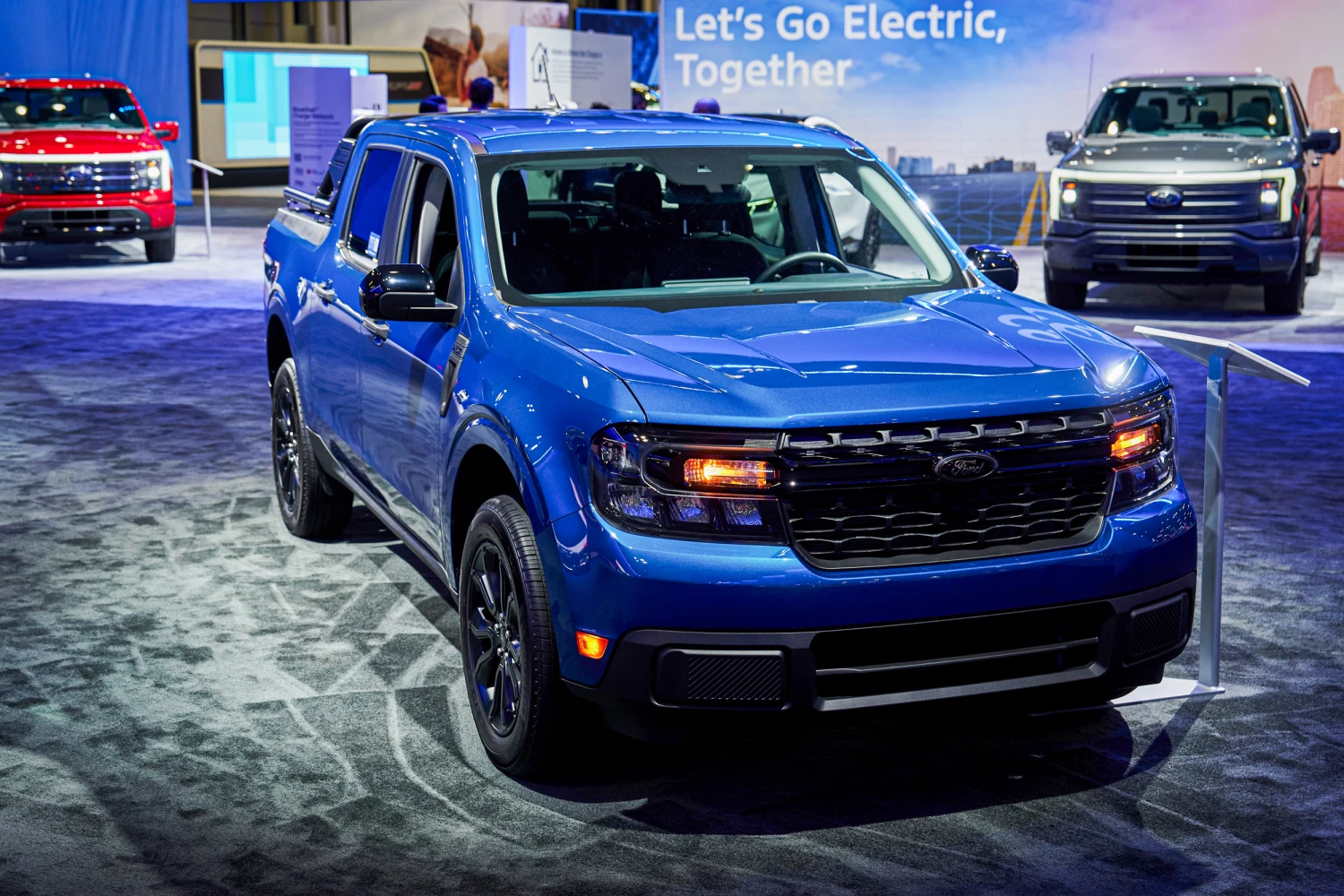
The truck segment is seeing the fiercest competition. Ram, Chevrolet, and Ford are locked in a battle for market share, slashing prices on 2023 and 2024 leftovers. For buyers willing to take a previous model year, the savings can amount to thousands of dollars off the sticker price.
Dealerships are also pivoting their strategy on trade-ins. To facilitate deals, many are offering inflated values for used cars, effectively discounting the new purchase even further. It is a volume game, designed to clear the lot before the spring shipments arrive.
For consumers like Sarah Jenkins, a nurse in Atlanta, the timing was fortuitous. She had been holding onto her aging sedan, waiting for the feverish pricing of recent years to break. “I walked in expecting a fight,” she said. “Instead, they were practically throwing keys at me. The leverage has definitely shifted back to the buyer.”
Industry analysts warn that this strategy carries risk. Heavily discounting vehicles erodes brand value and trains customers to wait for sales. However, the alternative, stagnant inventory and stalled factories, is viewed as the greater threat.
February will serve as a bellwether for the rest of the year. If these incentives clear the backlog, the market may stabilize. If inventory remains high, the discounts could deepen, signaling a permanent return to the buyer-friendly dynamics of the pre-pandemic era.