The floor of Huntington Place used to feel like the center of the universe for the automotive industry. For decades, the North American International Auto Show was where sheet metal met spectacle, a place where executives drove vehicles through plate glass windows and cattle stampedes were staged to announce new trucks. It was loud, expensive, and absolutely essential.
That era appears to be over. The crowds are still there, and the cars are still polished to a mirror shine, but the atmosphere has fundamentally changed. The frantic energy of breaking news has been replaced by something calmer and more pragmatic. The global debuts that once dominated the headlines are largely gone, moved to tech conferences in Las Vegas or private livestreams.
“It used to be that you had to be here to see the future,” said James Sterling, a senior automotive analyst who has covered the show for twenty years. “Now, the future gets revealed on YouTube two weeks before the doors open. Detroit isn’t about the world anymore. It’s about selling cars to Michigan.”
The shift is partly financial. The cost of building multi-story displays and hosting international press corps has become difficult for automakers to justify. In an era where a well-produced video can reach millions of customers instantly, the return on investment for a traditional auto show launch has plummeted.
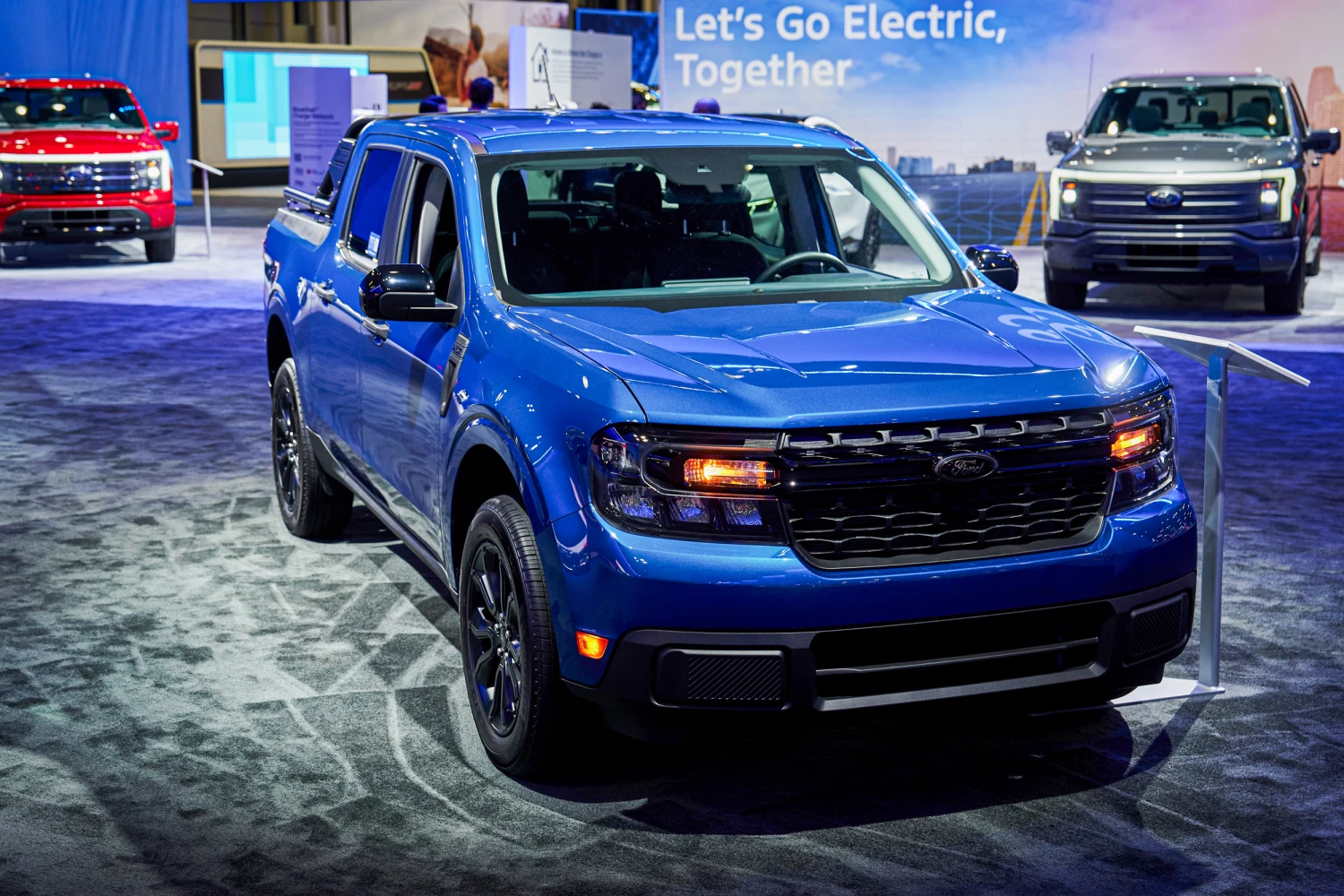
Instead, the show has pivoted toward the consumer experience. The static displays behind velvet ropes have given way to indoor test tracks and ride-along activations. The goal is no longer to dazzle the global press, but to get local potential buyers into the driver’s seat.
For attendees like Mark Henderson, a software engineer from Ann Arbor, the change is noticeable but not necessarily negative. “I miss the crazy concept cars that looked like spaceships,” he admitted. “But this year I actually got to ride in three different EVs. I can compare them back-to-back. As someone actually looking to buy, that’s more useful than a light show.”
The manufacturers present are leaning into this reality. Ford, GM, and Stellantis still maintain a heavy presence, but their footprints are designed for interaction rather than shock and awe. The messaging is focused on trim levels, battery range, and immediate availability, catering to the customer who needs a vehicle next month, not the dreamer imagining the roads of 2030.
This transition has been painful for the city’s hospitality industry. The thousands of international journalists who once booked out downtown hotels for weeks have dwindled. Restaurants that relied on expense-account dinners are seeing a different, more budget-conscious crowd.
“We still get a rush, but it’s different,” said the manager of a steakhouse near the convention center. “It’s families now. It’s locals. We don’t see the delegations from Germany or Japan like we used to. The international flavor is gone.”
Yet, industry insiders argue this downsizing was inevitable. As cars became rolling computers, the Consumer Electronics Show (CES) in Las Vegas naturally began to cannibalize the tech-heavy announcements. Detroit was left to figure out its identity in a fragmented media landscape.
The organizers have tried moving the dates, experimenting with summer schedules before returning to winter, searching for a sweet spot. But the calendar may matter less than the content. The industry has decentralized, and no single physical location can claim to be the sole capital of the car world anymore.
“The show isn’t dead, it just grew up,” Sterling noted. “It’s a regional sales expo now. That’s not as sexy as a global media event, but it’s probably a more honest reflection of where the business is.”
As the lights dim each evening at Huntington Place, the silence is telling. The era of shock-and-awe reveals has faded, leaving behind a functional, localized marketplace. Detroit is no longer shouting to the world. It is simply, and quietly, trying to sell cars.