Electric pickup launch timelines are shifting across multiple brands as automakers recalibrate expectations around demand, cost, and infrastructure readiness. What was once a fast moving race to electrify one of the most profitable U.S. vehicle segments is becoming a more measured rollout shaped by market realities.
Several manufacturers have quietly adjusted launch schedules, production ramps, or volume targets for electric pickups. While no major brand has abandoned the segment, executives acknowledge that early adoption curves have been less predictable than originally forecast.
Companies such as Ford, General Motors, Rivian, and Tesla have all taken different approaches, but the common theme is caution. High development costs, battery supply constraints, and uneven retail demand are forcing brands to pace launches more carefully.
Consumer behavior is a key factor. Pickup buyers tend to be highly value conscious and use their vehicles for work, towing, and long distance travel. Concerns around range under load, charging access, and replacement cost have slowed conversion from gas powered trucks to full electric alternatives.
Pricing pressure is also influencing timelines. Electric pickups typically carry higher transaction prices than comparable gas or hybrid models. With interest rates elevated, monthly payments have become a significant barrier. Automakers are finding that incentives alone are not enough to accelerate adoption at scale.
Infrastructure challenges remain particularly relevant for trucks. Public charging networks are improving, but rural and job site charging access remains limited. For many pickup buyers, especially commercial users, charging reliability is still viewed as a risk.
In response, automakers are leaning more heavily on hybrids and extended range solutions in the near term. These alternatives offer efficiency gains while preserving the capabilities truck buyers expect. Electric pickups remain part of long term strategies, but they are no longer being forced into aggressive timelines.
Production economics also play a role. Battery costs, factory utilization, and supplier readiness all affect launch decisions. Slower rollouts allow automakers to reduce financial exposure and adjust specifications based on early feedback.
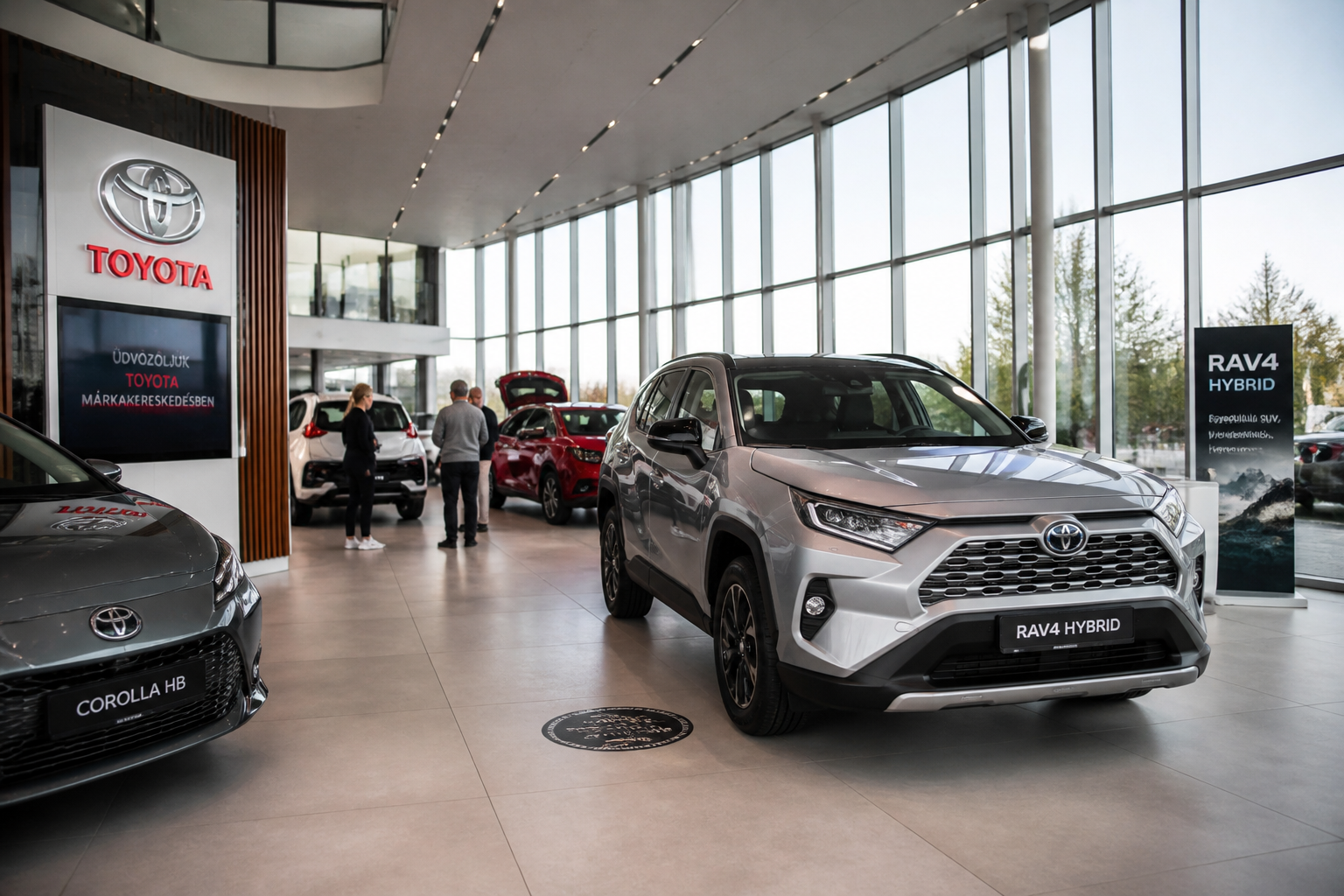
Dealers report mixed interest. While electric pickups generate showroom attention, conversion rates remain lower than for traditional trucks. Buyers are more likely to browse than commit, particularly in regions where charging access is limited.
Industry analysts describe the shifting timelines as a normalization rather than a setback. The pickup segment is different from passenger cars, and adoption patterns reflect that. Success will likely come through gradual integration rather than rapid disruption.
Automakers continue to invest in electric truck platforms, but messaging has changed. Instead of promising rapid transformation, brands are emphasizing choice and flexibility, allowing customers to move toward electrification at their own pace.
As launch timelines shift, the electric pickup market is entering a more realistic phase. The segment remains strategically important, but its evolution will be shaped by practicality, not pressure. For automakers, aligning ambition with demand may prove to be the smartest move of all.