Key Facts
- European EV registrations increased 30% in 2025, outpacing North American growth
- Hybrid vehicles topped electric vehicle registrations in California in H1 2025, favoring traditional dealers
- Chinese automakers are intensifying pressure on UK rivals, according to industry leadership
- Ford CEO warns Chinese manufacturers could enter the US market within the next decade
Electric vehicle registrations have surged 30% across Europe in 2025, even as the North American market shows signs of divergence with hybrid vehicles overtaking pure EVs in California during the first half of the year. The contrasting trajectories come as Chinese automakers mount increasing competitive pressure on Western manufacturers in both UK and potential US markets.
California’s Hybrid Shift Disrupts EV Momentum
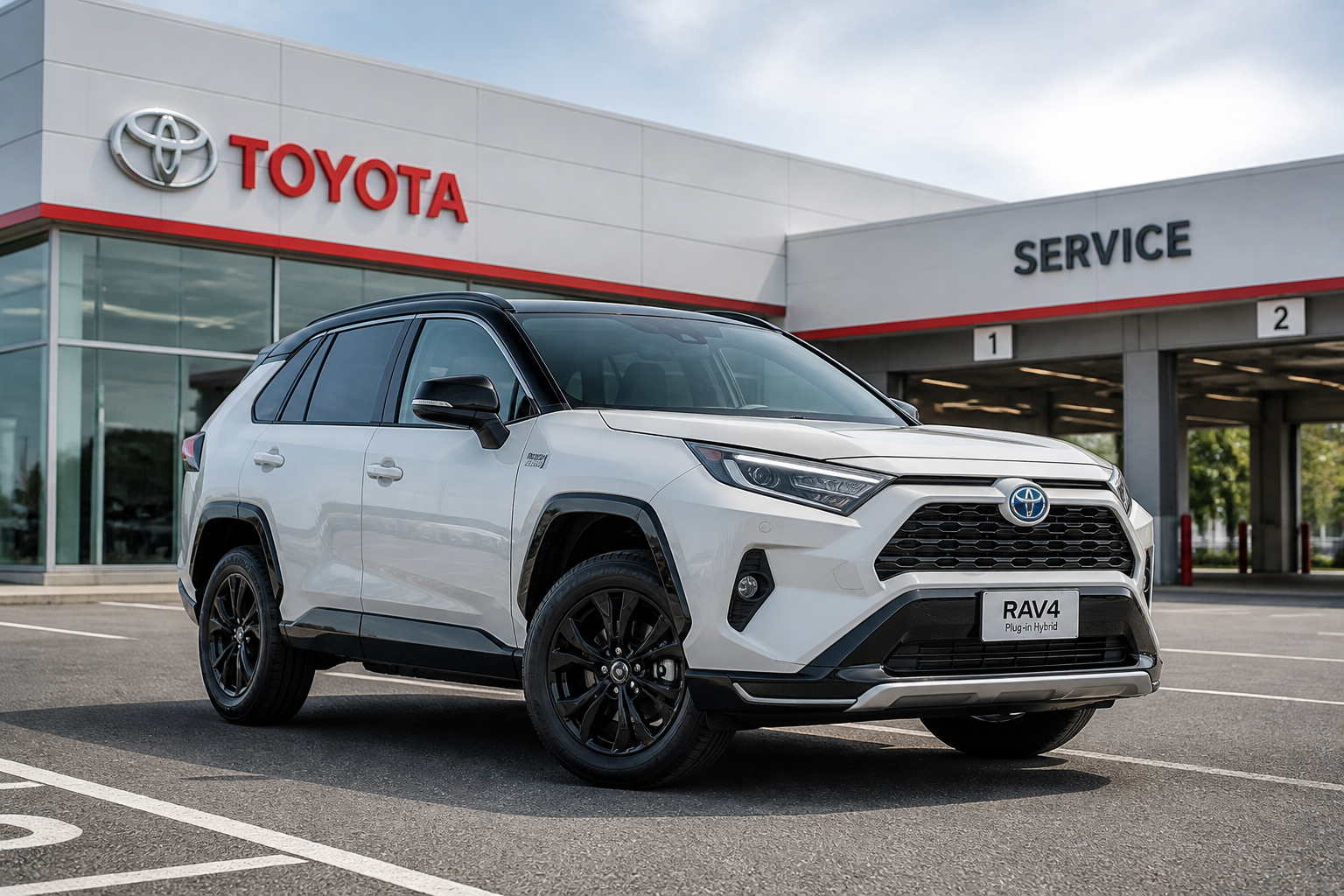
The California market, traditionally a bellwether for electric vehicle adoption in North America, experienced a notable shift in the first half of 2025. Hybrid registrations topped electric vehicle registrations for the first time in recent years, marking a strategic advantage for traditional dealership networks over direct-sales brands that have dominated the pure EV space.
This transition reflects evolving consumer preferences in the region, where range anxiety and charging infrastructure concerns appear to be driving buyers toward the flexibility of hybrid powertrains. The trend particularly benefits established automakers with extensive dealer networks, while potentially challenging the growth strategies of EV-exclusive manufacturers that rely on direct-to-consumer sales models.
Chinese Manufacturers Intensify Global Pressure
The competitive landscape for Western automakers is growing increasingly complex as Chinese manufacturers expand their global footprint. Chinese automakers are piling pressure on UK rivals, according to auto industry leadership, with competitive pricing and rapidly improving technology threatening established market positions.
The competitive threat extends beyond current markets. Ford CEO Jim Farley told employees that Chinese automakers could enter the U.S. market in the next decade, signaling that even the protected North American market may face intensified competition from manufacturers who have achieved scale advantages in the world’s largest EV market.
Europe Maintains EV Leadership
Despite headwinds in other markets, Europe’s 30% year-over-year increase in electric vehicle registrations demonstrates the region’s continued commitment to electrification. The growth reflects a combination of regulatory pressure, improving charging infrastructure, and consumer acceptance that has made Europe the global leader in EV adoption rates among developed markets.
The European surge stands in stark contrast to the more cautious approach emerging in North America, where the California hybrid trend may signal a broader recalibration of electrification timelines. European policymakers have maintained aggressive emissions reduction targets and incentive programs that continue to drive EV adoption despite broader economic uncertainties.
Strategic Implications Across Markets
The divergent market trajectories present strategic challenges for global automakers attempting to balance product portfolios across regions. Manufacturers must now navigate a European market demanding pure electric solutions, a North American market showing renewed interest in hybrid technology, and intensifying competition from Chinese brands with significant cost advantages.
Traditional automakers with diverse powertrain portfolios may find themselves better positioned for this fragmented landscape than EV-only manufacturers. The ability to offer hybrids alongside pure electric vehicles provides flexibility to respond to regional market preferences while maintaining dealer network relationships that have proven valuable in markets like California.
What This Means for Buyers
For consumers in Europe, the expanding EV market means increasing choice and competitive pricing as manufacturers vie for market share in the region’s growth segment. Buyers can expect continued improvements in range, charging speed, and vehicle technology as automakers prioritize European launches.
North American buyers may benefit from renewed manufacturer focus on hybrid technology, potentially seeing more sophisticated and efficient hybrid options as automakers respond to the California trend. However, this could also mean reduced urgency in expanding charging infrastructure if manufacturers perceive slowing pure EV demand.
UK and European buyers should monitor Chinese manufacturer market entry closely, as increased competition typically drives innovation and value. However, questions around residual values and service network maturity remain considerations for early adopters of new entrants.
Across all markets, the next 12 to 24 months will likely prove pivotal in determining whether Europe’s aggressive electrification trajectory becomes the global norm or whether a more hybrid-focused transition emerges as the preferred path in markets with different infrastructure realities and consumer preferences.