Key Facts
- European car manufacturers are experiencing a significant industry crisis amid multiple pressures
- Chinese automotive suppliers are expanding globally, following automakers into international markets
- Geopolitical instability, including potential conflict, is being examined as a factor in Europe’s automotive recovery
- Bosch leadership has identified China’s auto suppliers as a rising competitive threat to established players
Europe’s automotive industry is facing a compounding crisis as Chinese competitors intensify their global expansion while geopolitical tensions threaten the region’s recovery prospects. The dual pressures are forcing European automakers and their supply chains to confront an uncertain future that could reshape the global automotive landscape.
Europe’s car makers are grappling with a significant crisis that extends beyond traditional market challenges, as geopolitical uncertainty adds another layer of complexity to an already troubled sector. The industry is now examining how threats of war and regional instability could further impede recovery efforts that have been hampered by supply chain disruptions, high energy costs, and shifting consumer preferences toward electrification.
Chinese Competition Intensifies
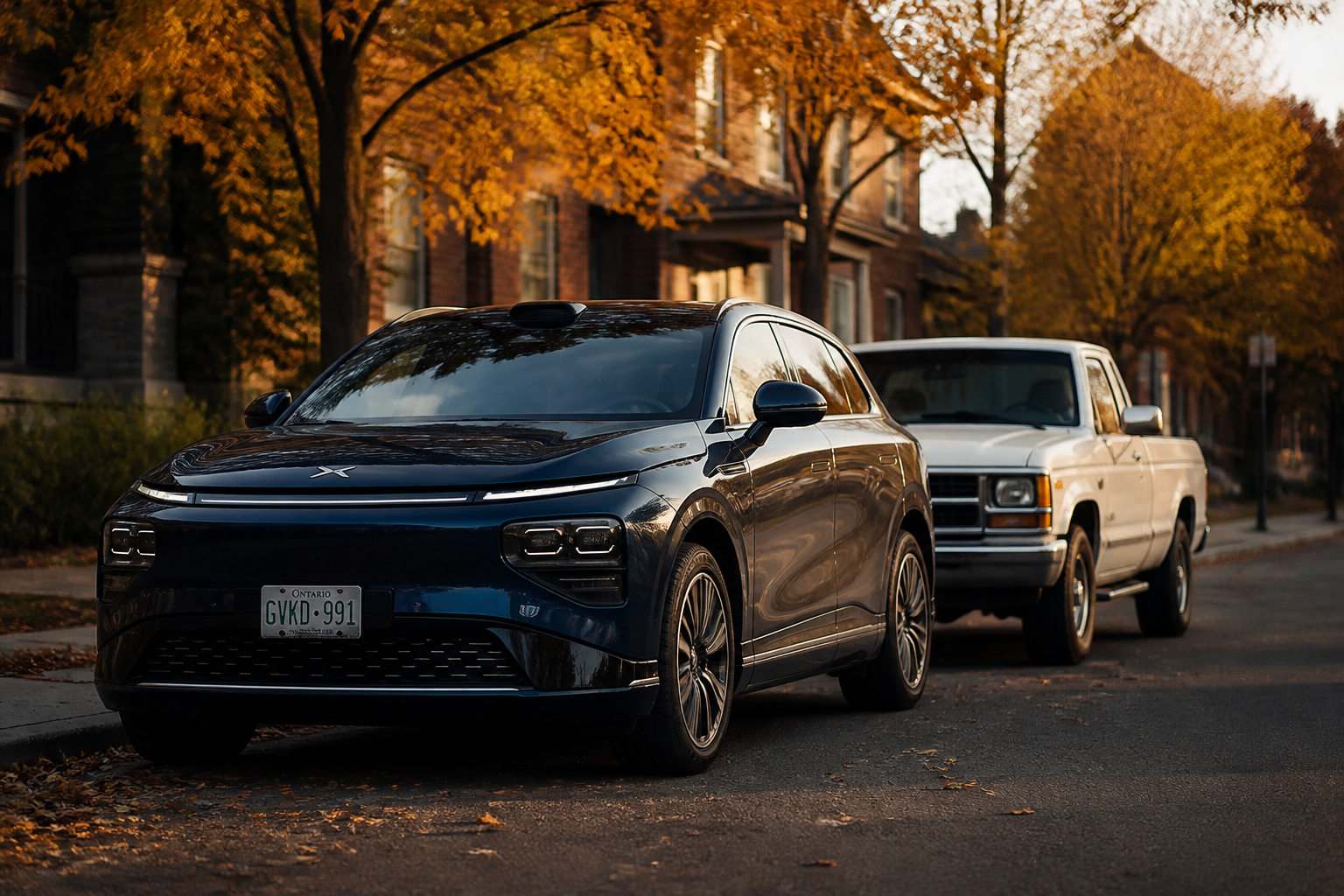
The competitive landscape is shifting dramatically as China’s automotive suppliers emerge as a rising threat, according to leadership at Bosch, one of the world’s largest automotive suppliers. Chinese suppliers are now following their domestic automakers’ expansion into global markets, creating a vertically integrated competitive force that European manufacturers have not previously encountered at this scale.
This expansion represents more than just another competitor entering the market. Chinese suppliers bring cost advantages, rapidly developing technological capabilities, and established relationships with Chinese automakers that are gaining market share in Europe and other key regions. The combination threatens the traditional supply chain relationships that have underpinned European automotive manufacturing for decades.
European suppliers like Bosch, Continental, and ZF Friedrichshafen have long dominated the global automotive components market, providing everything from braking systems to advanced driver assistance technology. However, Chinese suppliers are now offering competitive alternatives, often at lower price points, while simultaneously investing heavily in electric vehicle and autonomous driving technologies.
Geopolitical Pressures Compound Challenges
The threat of geopolitical instability adds another dimension to Europe’s automotive troubles. With ongoing tensions in Eastern Europe and broader concerns about regional security, automakers face potential disruptions to manufacturing, supply chains, and consumer confidence. The industry has already experienced how geopolitical events can cascade through production networks, as seen during recent energy crises and material shortages.
European automakers are particularly vulnerable to geopolitical shocks due to their reliance on complex, cross-border supply chains and exposure to markets that could face sanctions or trade restrictions. The uncertainty makes long-term planning and capital investment decisions more challenging, precisely when the industry needs to invest billions in electrification and software development to remain competitive.
Supply Chain Transformation Underway
The dual pressures are forcing a fundamental reassessment of supply chain strategies across the European automotive sector. Original equipment manufacturers are evaluating supplier diversification, regional manufacturing footprints, and vertical integration strategies that would have seemed unnecessary just five years ago.
Some European automakers are exploring partnerships with Asian suppliers to access cost advantages and technology, while others are attempting to rebuild domestic supply chain resilience. This balancing act between cost competitiveness and supply security represents one of the industry’s most pressing strategic challenges.
What This Means for Buyers
For consumers in North America, the UK, Europe, and Australia, these industry pressures will likely manifest in several ways over the coming years. First, expect continued price pressure on European-branded vehicles as manufacturers struggle with higher input costs and the need to invest in new technologies while competing against lower-priced Chinese alternatives.
Second, the competitive pressure from Chinese manufacturers and suppliers could accelerate innovation and improve value propositions across the market. Chinese EV technology is already forcing European brands to improve their electric offerings and pricing structures.
Third, supply chain uncertainties may lead to longer delivery times and more limited model availability for certain European brands, particularly for vehicles with complex supply chains or those dependent on components from geopolitically sensitive regions. Buyers should expect manufacturers to potentially simplify option packages and standardize configurations to reduce supply chain complexity.
Finally, the industry transformation could reshape brand positioning and market segments. Traditional European premium brands may face increased competition not just from Chinese automakers but from Chinese suppliers enabling new entrants or supporting established brands with competitive component pricing.
Industry Outlook Remains Uncertain
The path forward for Europe’s automotive industry depends on multiple factors beyond manufacturers’ control, including geopolitical developments, trade policy, and the pace of Chinese competitors’ global expansion. What remains certain is that the European automotive landscape of the next decade will look markedly different from the one that dominated the 20th century, with new competitive dynamics and supply chain structures reshaping the industry from the ground up.