Key Facts
- Ford issued 53 recall campaigns covering 12+ million vehicles in H1 2026, versus Chrysler’s 19 campaigns in the same period
- The automaker logged 153 recalls affecting 13 million vehicles in 2025, up from 67 recalls affecting 4.7 million in 2024
- Latest July 7 recalls cover 110,626 Mustang vehicles for windshield wiper defects and rear differential failures
- Ford hired 350 veteran engineers after AI and automation quality control systems failed to detect defects
Ford Motor Company has issued 53 separate recall campaigns covering more than 12 million vehicles in the first six months of 2026, nearly three times the rate of its nearest competitor and signaling a deepening quality control crisis at the Detroit automaker. The cascade of safety actions follows a record 153 recalls affecting nearly 13 million vehicles in 2025, forcing Ford to hire 350 veteran engineers after artificial intelligence and automation systems failed to catch defects during production.
The 53 campaigns issued through June 2026 far outpace Stellantis-owned Chrysler’s 19 campaigns during the same period, underscoring the severity of Ford’s quality breakdown. The recall volume represents a 230 percent increase over 2024, when Ford issued 67 recalls affecting more than 4.7 million vehicles.
Latest Mustang Recalls Highlight Ongoing Problems
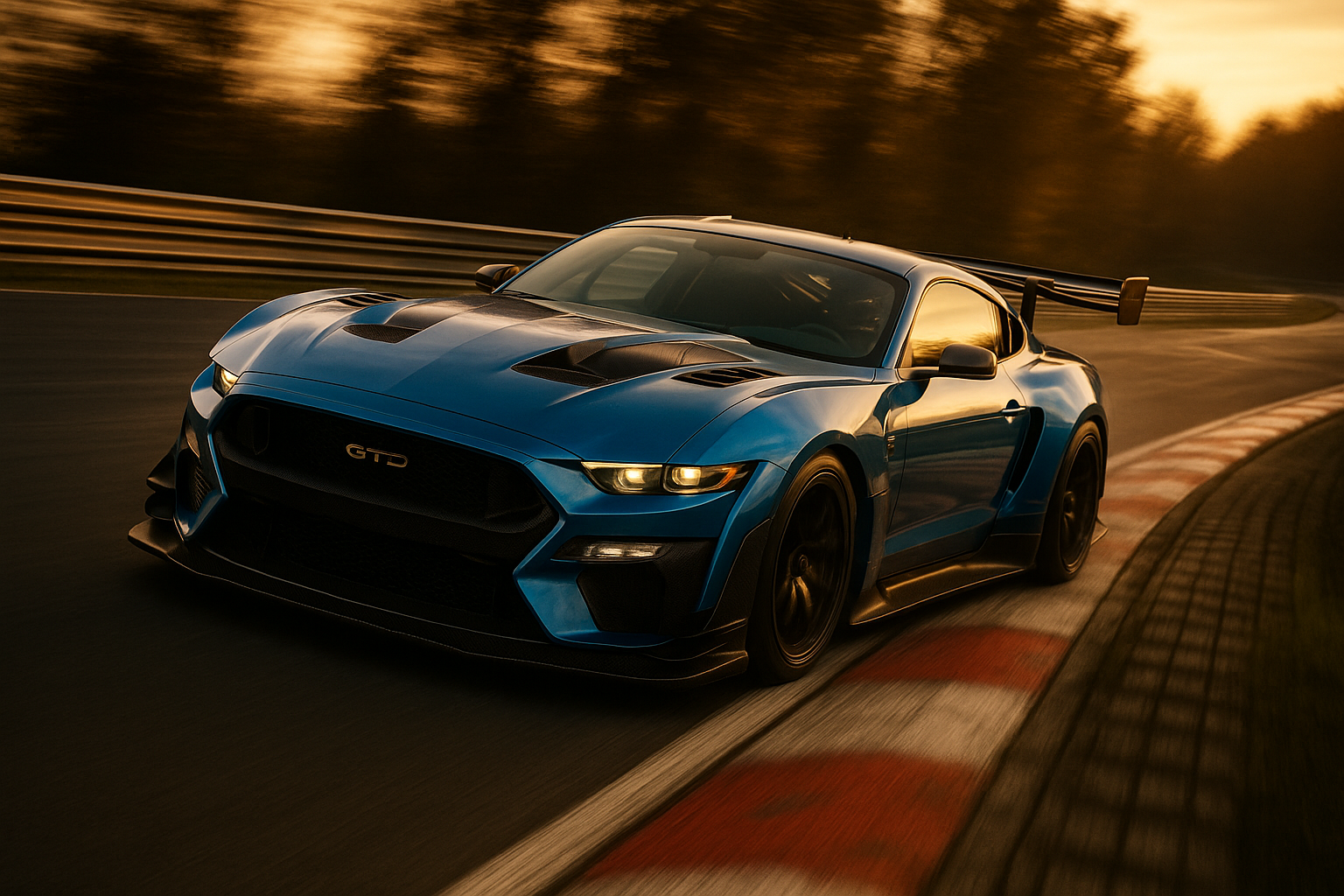
The most recent safety actions, announced July 7, 2026, affect 110,626 Mustang vehicles across two separate campaigns. The first recall covers 67,842 Mustang and Mustang GTD units for windshield wiper defects, while the second addresses 42,784 Mustang Mach-E electric vehicles for rear differential pinion shaft fracture risk.
In the windshield wiper recall, an improperly programmed semiconductor chip causes wipers to operate only at high speed and disables the washer system when temperatures reach 32°F (0°C) or below, significantly reducing driver visibility in winter conditions. Ford is aware of 35 warranty claims related to the wiper issue but has received no reports of crashes or injuries as of the announcement date.
The timing poses additional challenges for affected owners: replacement parts for the wiper defect are not expected to be available until around March 2027, leaving vehicles vulnerable through the 2026-2027 winter season. Initial notification letters to owners began July 8, 2026.
AI Quality Control Failure Forces Human Engineer Hiring
Behind the recall surge lies a fundamental breakdown in Ford’s quality assurance systems. The automaker acknowledged that artificial intelligence and automation systems designed to catch manufacturing defects during production failed to perform as expected, prompting the company to hire 350 veteran engineers to shore up quality control processes.
The admission marks a significant reversal for an industry that has increasingly relied on AI-driven quality inspection systems to reduce costs and improve efficiency. Ford’s experience suggests that current AI technology may not yet be capable of detecting the subtle manufacturing variations that lead to safety defects, particularly in complex semiconductor-controlled systems like the improperly programmed chip affecting Mustang windshield wipers.
What This Means for Buyers
Ford’s recall crisis carries serious implications for current and prospective owners across multiple dimensions. Resale values for affected models are likely to face downward pressure as buyers factor in the automaker’s quality reputation and the inconvenience of multiple service visits. Warranty costs are ballooning, which may eventually translate into higher vehicle prices or reduced investment in new features.
Dealer service capacity represents another immediate concern. With more than 12 million vehicles requiring attention in just six months, Ford’s dealership network faces unprecedented strain. Parts shortages—exemplified by the eight-month wait for windshield wiper components—suggest that many recalls will require extended resolution timelines, leaving owners with potentially unsafe vehicles.
Prospective buyers should carefully research specific model years before purchase, verify whether vehicles have open recall campaigns through the National Highway Traffic Safety Administration’s VIN lookup tool, and consider extended warranty coverage to mitigate potential quality issues. The concentration of recalls in recent model years suggests that vehicles produced during Ford’s AI-driven quality control era may carry elevated risk.
Regulatory and Financial Pressure Mounting
The recall volume virtually guarantees increased scrutiny from the National Highway Traffic Safety Administration, which can impose substantial fines for delayed reporting or inadequate remedies. Each recall campaign also carries direct costs for parts, labor reimbursement to dealers, and notification mailings, creating a significant financial drag on Ford’s profitability.
Beyond immediate costs, the quality crisis threatens Ford’s brand positioning at a critical moment. As the automaker attempts to transition its lineup toward electric vehicles—including the recalled Mustang Mach-E—and compete with quality-focused rivals from Asia and Europe, persistent safety problems undermine consumer confidence and dealer enthusiasm.
The scale of Ford’s 2025-2026 recall cascade is unprecedented in recent automotive history for a single manufacturer outside of industry-wide issues like the Takata airbag crisis. Whether the addition of 350 human engineers can reverse the quality decline remains to be seen, but with 53 campaigns already issued by mid-2026, the automaker faces a long road to restoring its reputation for reliable vehicles.