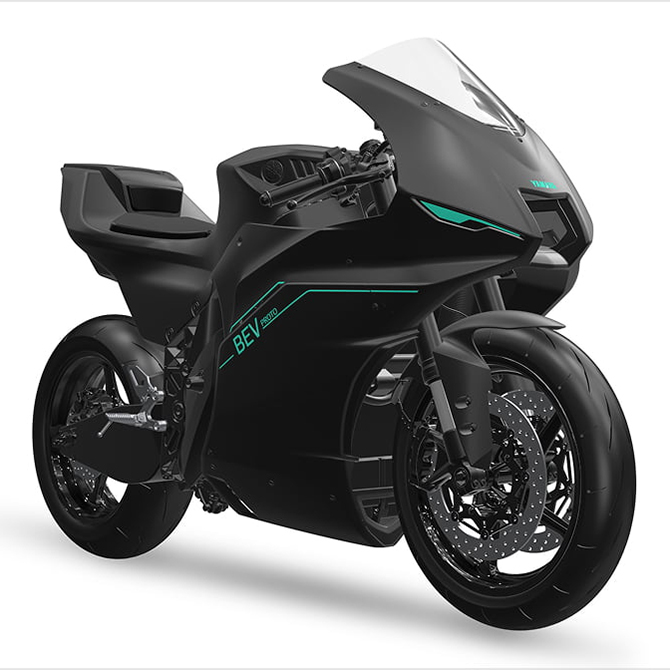
Harley-Davidson is expanding its electric motorcycle strategy beyond core urban markets as it seeks to broaden adoption and reposition electrification within its wider rider base. The move reflects a shift from niche experimentation toward more integrated long term planning.
Electric offerings were initially targeted at metropolitan riders, where shorter commute distances and charging accessibility supported early adoption. However, Harley-Davidson now sees opportunity in suburban corridors and select regional markets where infrastructure has improved and consumer familiarity with EV technology has grown.
The strategy builds on the company’s existing electric platform under LiveWire, which operates as a distinct brand while remaining strategically aligned with Harley-Davidson’s broader roadmap. Expanding distribution and dealer engagement beyond major cities is central to the next phase.
Executives indicate that charging infrastructure development and rider education are enabling the broader rollout. Partnerships with charging providers and expanded dealership charging capabilities are helping reduce range anxiety concerns.
Product positioning is also evolving. Early electric motorcycles emphasized performance and innovation. The next wave is expected to balance range, pricing, and everyday usability, making electric models more practical for weekend riders and commuters outside dense urban cores.
Affordability remains a challenge. Electric motorcycles generally carry higher upfront costs compared with entry level gas powered bikes. Harley-Davidson is exploring financing programs and potential future models at different price points to expand accessibility.
Dealer readiness is critical to expansion. Training for service, diagnostics, and customer support has increased as electric inventory grows. Dealers outside urban markets are being integrated into the rollout to ensure consistent customer experience.
Market data shows that interest in electric two wheelers remains modest compared with traditional motorcycles. However, awareness is rising, particularly among younger riders open to new propulsion technologies.
Harley-Davidson’s expansion does not signal a departure from its core combustion lineup. Gas powered cruisers and touring models remain central to brand identity and revenue. Instead, electrification is being framed as complementary rather than replacement.
Industry analysts view the move as strategic positioning rather than aggressive scale push. Electric motorcycle adoption is expected to grow gradually, and early geographic expansion allows Harley-Davidson to refine logistics and customer engagement before larger volume commitments.
Competition is also intensifying. New entrants and established manufacturers are investing in electric two wheelers, particularly in commuter segments. Expanding beyond urban markets helps Harley-Davidson maintain visibility in the evolving landscape.
As 2026 progresses, the company’s electric strategy appears more integrated and less experimental. Moving beyond urban markets reflects growing confidence in infrastructure readiness and consumer interest.
The broader rollout underscores a measured approach. Harley-Davidson is not racing toward electrification at any cost. Instead, it is positioning electric motorcycles as a sustainable extension of its legacy, adapted to modern mobility trends.