Harley-Davidson, Inc. is expanding its dealership strategy in 2026 through the development of new brand-focused experience centers across key U.S. markets. The initiative is designed to strengthen rider engagement while modernizing the retail environment for both new and existing customers.
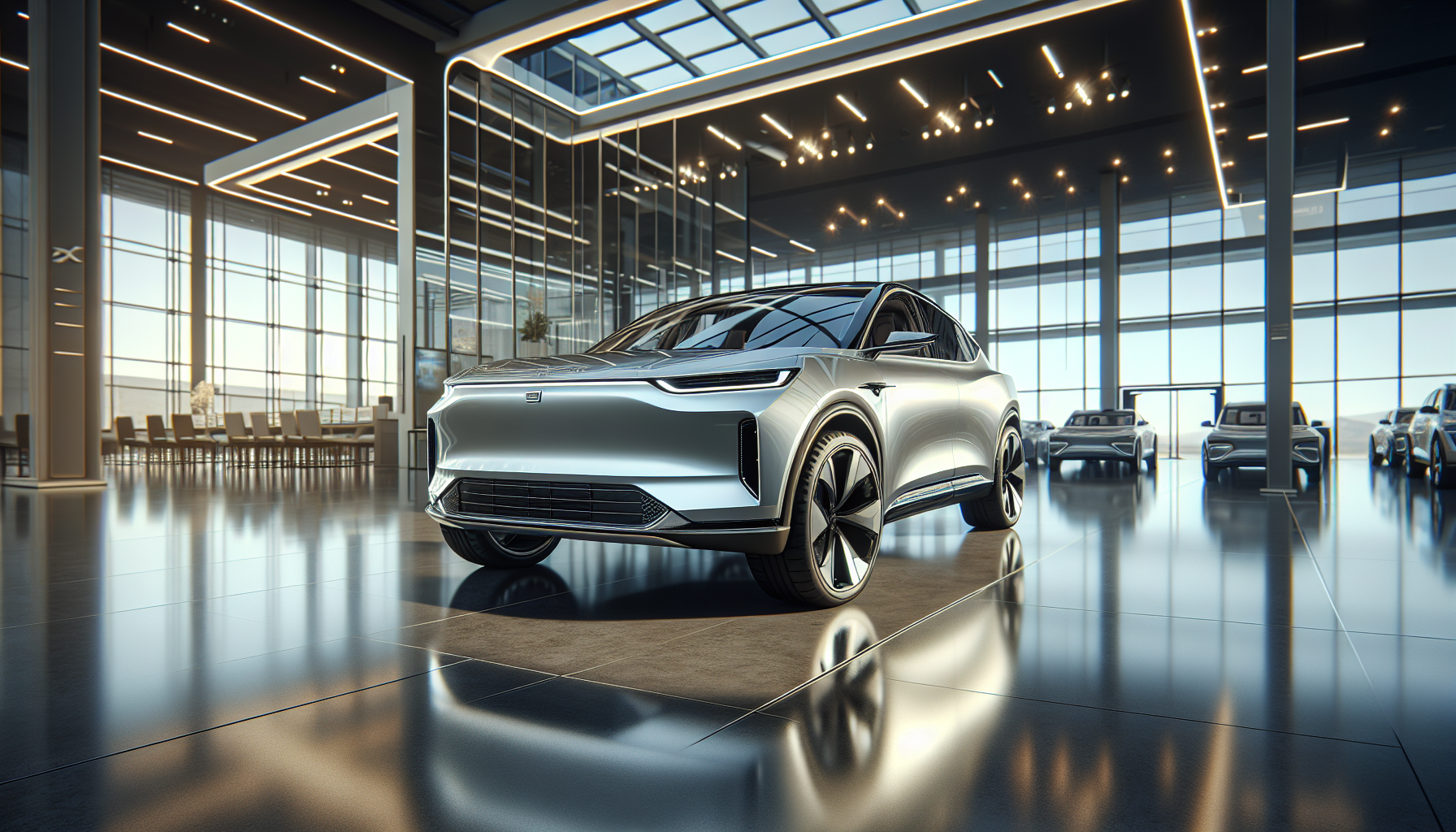
These experience centers are intended to function as more than traditional motorcycle dealerships. In addition to vehicle sales, the locations emphasize lifestyle branding, rider education, community events, and merchandise offerings aligned with Harley-Davidson’s heritage-driven identity.
Dealer partners are adapting showroom layouts to highlight premium motorcycles, riding gear, and customization options. Models such as the Harley-Davidson Street Glide and Harley-Davidson Pan America 1250 are often positioned within immersive display environments designed to showcase performance and touring capabilities.
Community-building remains central to the concept. Experience centers frequently host rider meetups, demo rides, training workshops, and branded events that encourage customer interaction beyond traditional retail transactions.
The approach reflects broader changes in powersports retail. Consumers increasingly value experiential environments that allow them to engage with products and brand culture before making purchasing decisions.
Dealer network investment also supports long-term brand loyalty. By strengthening connections with existing riders while introducing new customers to the Harley-Davidson ecosystem, experience centers contribute to sustained community growth.
Digital integration is another element of the updated dealership model. Interactive displays, digital product configuration tools, and connected retail systems help streamline the purchase journey and enhance in-store engagement.
Industry analysts view the expansion as part of a wider effort to modernize powersports retail while maintaining Harley-Davidson’s strong brand heritage. Experiential retail strategies are becoming increasingly important as manufacturers compete for consumer attention.
As 2026 progresses, the success of the experience center concept will likely depend on rider participation, dealer investment, and continued community engagement. Within the evolving motorcycle retail landscape, experiential environments are emerging as a key differentiator.