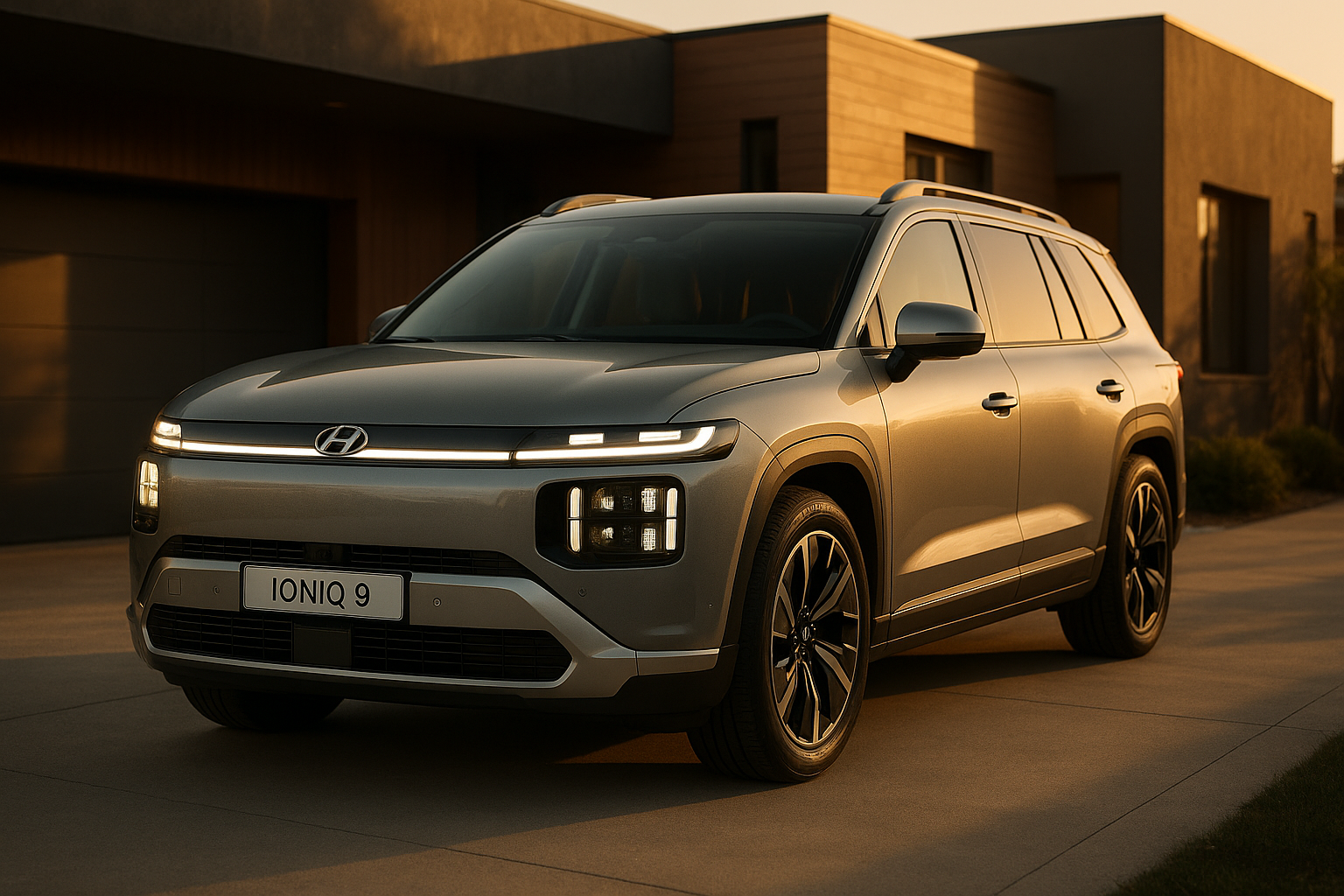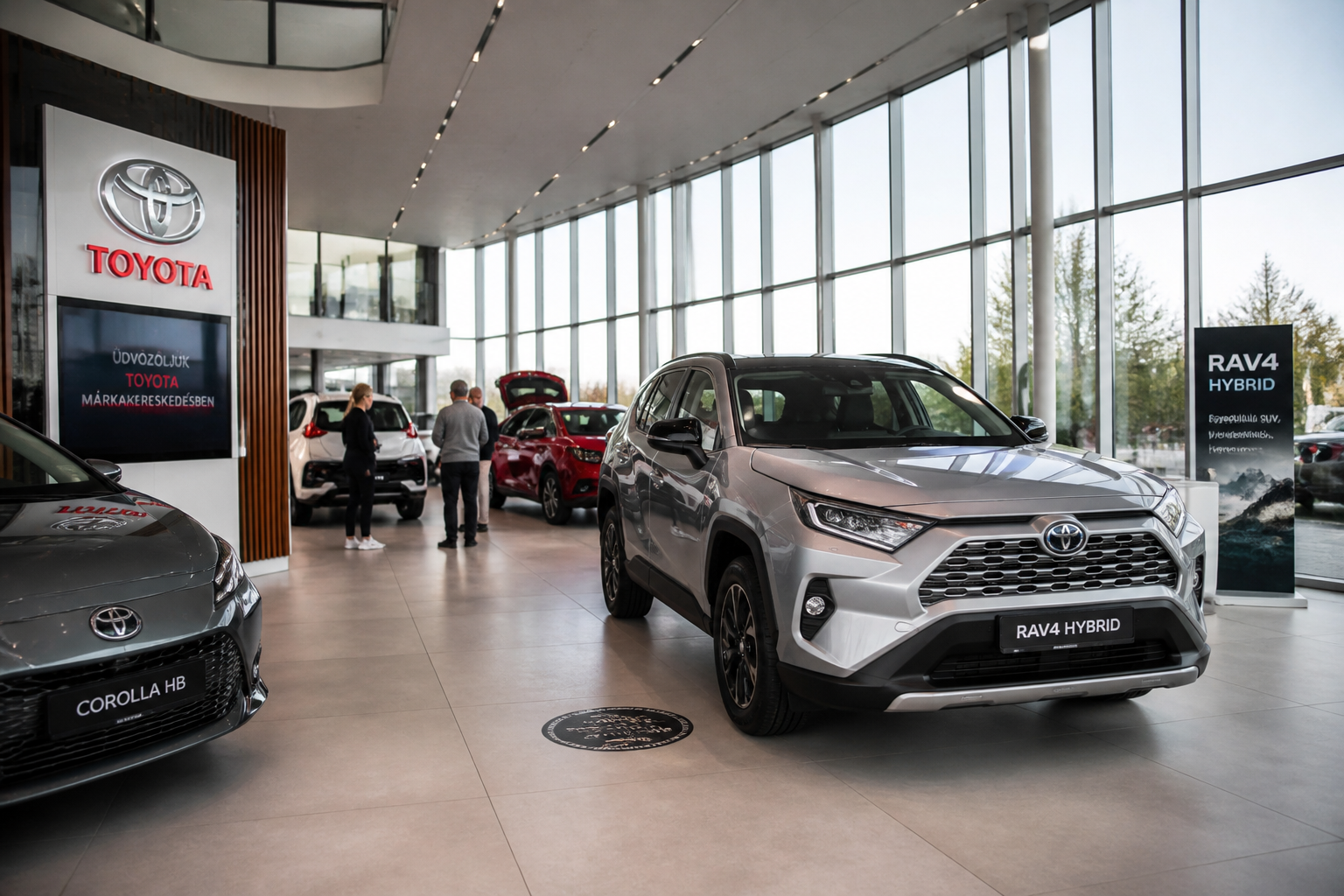
Hybrid sport utility vehicles are assuming a larger role in Hyundai Motor Company’s North American product strategy as the automaker broadens its electrified SUV portfolio for the 2026 model year. The expansion reflects sustained consumer demand for fuel efficiency without full battery-electric adoption.
The company’s hybrid SUV range, anchored by models such as the Hyundai Tucson Hybrid and Hyundai Santa Fe Hybrid, is being positioned as a transitional offering between conventional internal combustion vehicles and fully electric crossovers. Increased production allocation for North America signals confidence in long-term hybrid relevance.
Market conditions across the United States and Canada continue to favor practical electrification. While battery-electric vehicle adoption is growing, infrastructure variability and pricing considerations have sustained interest in hybrid configurations. Hyundai’s strategy appears calibrated to address buyers seeking improved fuel economy without range-related concerns.
Dealer feedback suggests hybrid SUV inventory turnover remains steady relative to comparable gasoline variants. Incentive structures have remained disciplined, indicating balanced supply rather than excess stock. Competitive positioning within the compact and midsize SUV segments remains central to volume performance.
Hybrid powertrains also contribute to regulatory compliance objectives. Expanding electrified mix ratios supports fleet efficiency targets while preserving the higher transaction values associated with SUV body styles. This dual objective aligns product planning with both consumer preference and policy direction.
Financing conditions continue to influence purchasing decisions. Although interest rates remain elevated compared with prior cycles, hybrid models offer operational savings that partially offset monthly payment pressures. For some households, total cost of ownership considerations increasingly factor into vehicle selection.
The North American hybrid SUV landscape includes intensified competition from Japanese and domestic manufacturers. However, Hyundai’s design updates, technology integration, and warranty positioning remain differentiating factors within the segment.
Industry analysts view Hyundai’s hybrid SUV expansion as a measured response to evolving electrification timelines. Rather than accelerating exclusively toward battery-electric dominance, the company appears to be maintaining a diversified propulsion portfolio.
As 2026 progresses, hybrid SUV performance will likely depend on fuel price trends, incentive stability, and broader consumer confidence. Within a transitional automotive environment, hybrid models continue to represent a strategically resilient category.