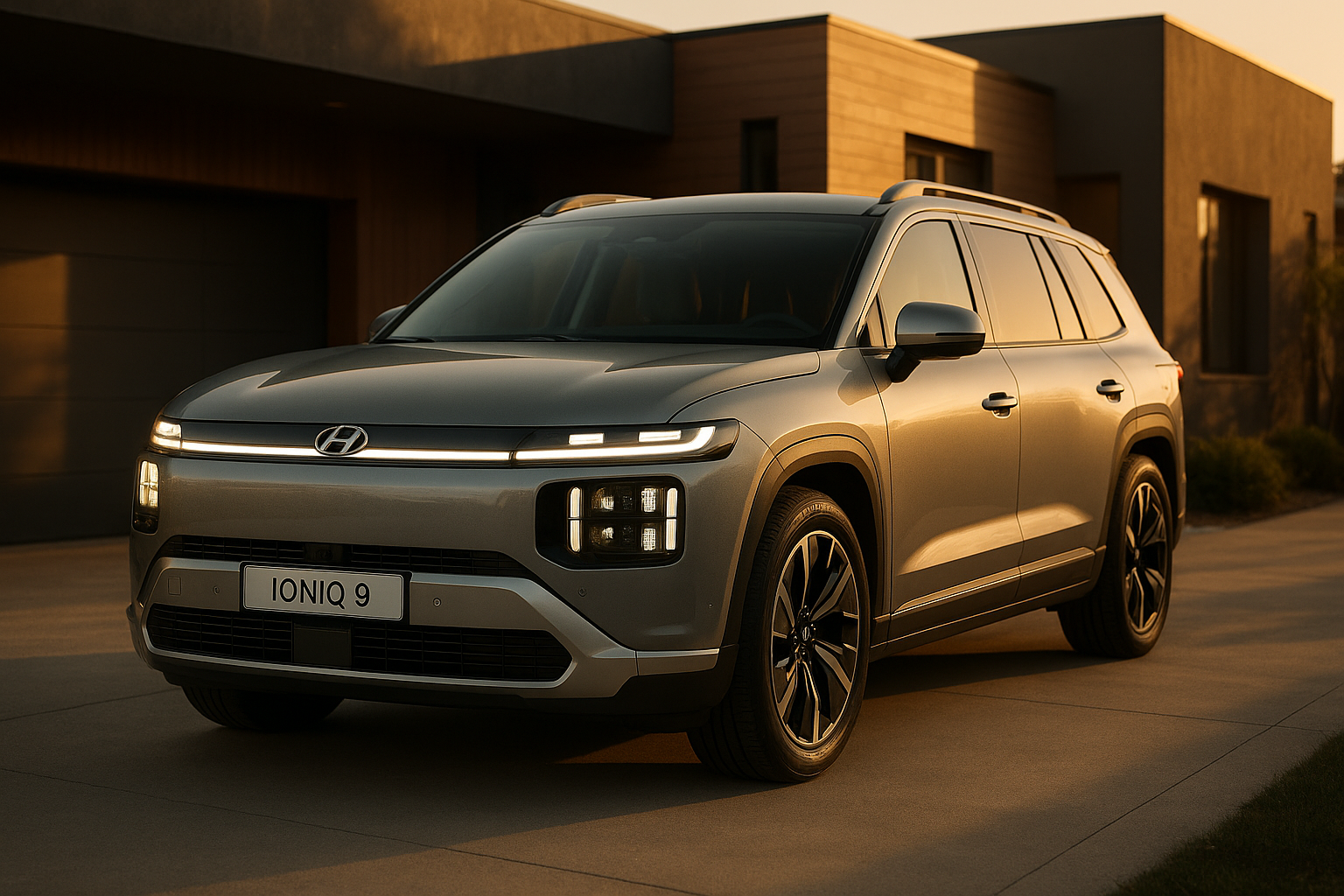
Hyundai has revealed an affordable compact EV concept aimed at the North American market, signaling a renewed push to address one of the biggest barriers to electric vehicle adoption: price. The concept reflects Hyundai’s belief that long term EV growth in the U.S. depends on smaller, more accessible vehicles rather than premium models alone.
The compact EV concept is designed with urban and suburban buyers in mind, focusing on efficiency, practicality, and cost control. Hyundai executives say the vehicle prioritizes usable range, interior space, and everyday functionality over high performance specifications that drive up price.
Affordability is central to the strategy. While Hyundai has not confirmed pricing targets, the concept is positioned well below the average EV transaction price in the U.S. This places it closer to entry level gasoline and hybrid vehicles, a segment where EV options remain limited.
The move comes as U.S. EV adoption slows outside major metro areas. Many consumers cite high upfront costs, charging concerns, and uncertain resale values as reasons for hesitation. Hyundai is betting that a compact, lower cost EV can overcome some of those objections by reducing financial risk and simplifying ownership.
Design details emphasize efficiency over excess. The compact footprint is intended to maximize energy efficiency while remaining practical for daily commuting. Interior layouts focus on flexible seating, simplified controls, and software driven features that can be updated over time rather than expensive hardware additions.
Hyundai has also hinted that the concept is built with North American infrastructure realities in mind. Rather than relying on ultra fast charging alone, the vehicle is expected to support convenient overnight and workplace charging, aligning with how most U.S. consumers actually use EVs.
The concept fits into Hyundai’s broader electrification strategy, which balances EVs, hybrids, and efficient gas vehicles. While Hyundai continues to invest in higher end electric models, executives acknowledge that volume growth will depend on affordability and scale.
Dealers are likely to welcome the move. Compact vehicles traditionally appeal to younger buyers and first time customers, groups that have been harder to reach with current EV offerings. A lower price point could expand the EV customer base rather than shifting demand within it.
Industry analysts view the concept as a strategic signal rather than a guaranteed production commitment. However, they note that multiple automakers are exploring similar ideas as competitive pressure increases and EV incentives face closer scrutiny.
If the concept reaches production, it could play a meaningful role in reshaping the U.S. EV market. By focusing on affordability and practicality, Hyundai is positioning itself to compete not just with other EVs, but with the broader entry level vehicle segment.
For now, the compact EV concept underscores a changing industry mindset. The next phase of electrification may be defined less by technological extremes and more by vehicles that fit everyday budgets and lifestyles.