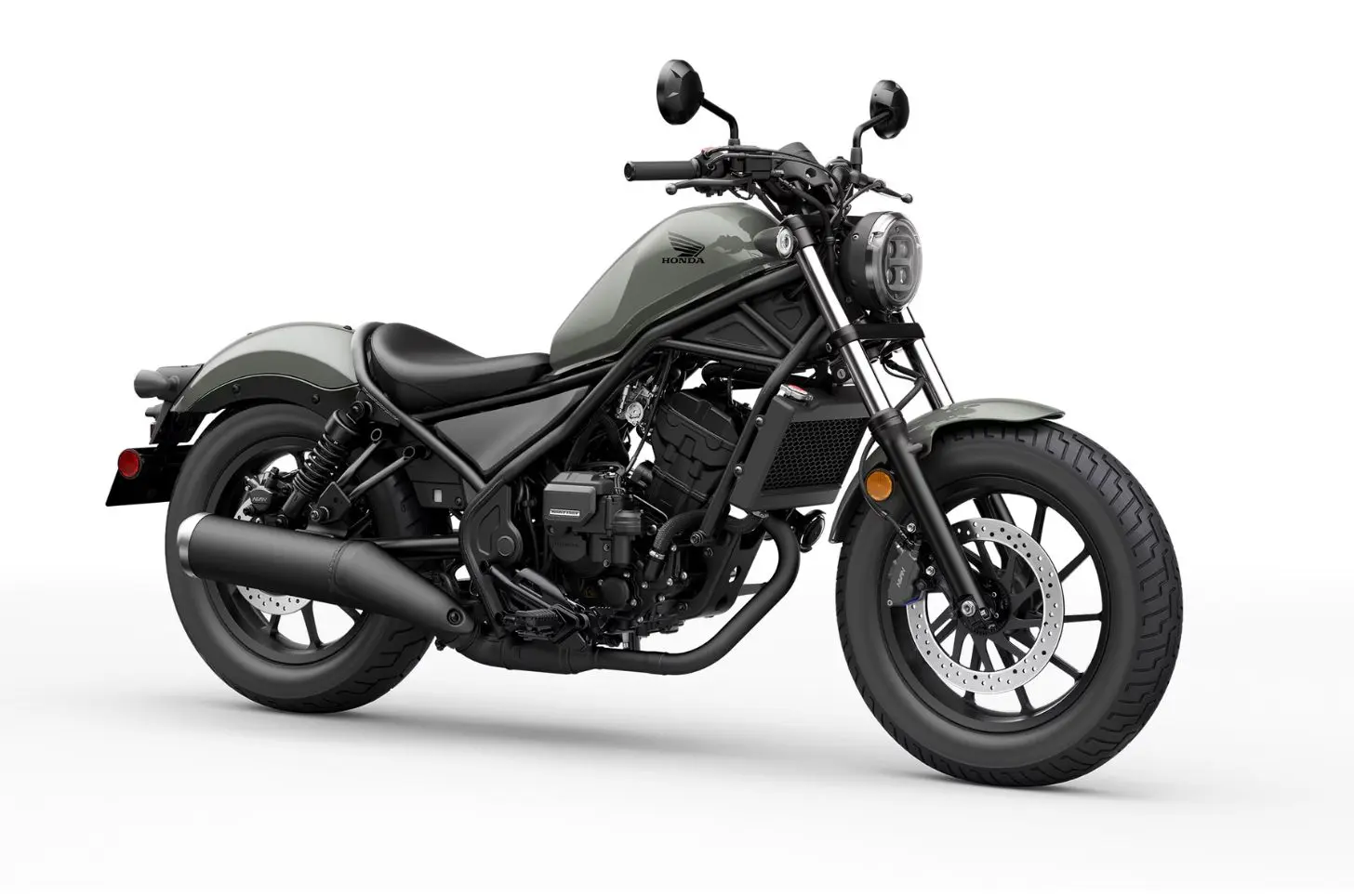
Insurance premiums are rising in 2026 for performance cars and high displacement motorcycles as insurers respond to higher repair costs, increased claims severity, and growing exposure to advanced technology components.
Carriers such as State Farm and Progressive have adjusted pricing models to reflect elevated risk profiles in high horsepower vehicles and large engine motorcycles. Premium increases vary by region, but performance oriented segments are experiencing sharper adjustments than mainstream vehicles.
Advanced driver assistance systems, high performance braking components, and sensor heavy architectures are contributing to repair cost inflation. Even minor collisions involving performance cars can require recalibration of cameras, radar modules, and embedded electronics, increasing claim payouts.
Motorcycles with high displacement engines are also facing premium pressure. Insurers cite higher claim severity linked to speed capability and injury risk. Repair parts for premium motorcycles have become more expensive, particularly as supply chains remain tight for specialized components.
Loss frequency trends have shifted as well. Urban congestion and distracted driving have increased minor collision incidents, while theft rates for certain high value vehicles remain elevated in select markets.
For performance cars, total loss thresholds are rising. Replacement costs have increased due to higher original vehicle prices and parts inflation. Insurers are factoring these trends into underwriting models, leading to upward premium adjustments.
Younger drivers and new policyholders may experience the most significant increases, particularly when insuring sports cars or powerful motorcycles. Risk based pricing continues to differentiate between vehicle categories and driver history.
The impact extends to financing and leasing decisions. Higher insurance costs can influence monthly ownership calculations, potentially affecting demand in premium segments.
Dealers report that insurance quotes are becoming a more prominent part of the purchase process. Buyers of performance vehicles are increasingly requesting premium estimates before finalizing transactions.
Some insurers are offering usage based insurance programs to mitigate premium increases. Telematics systems that monitor driving behavior can provide discounts for responsible driving patterns.
Industry analysts suggest that premium adjustments reflect structural cost pressures rather than temporary spikes. Repair complexity and medical claim costs continue to trend upward across vehicle categories.
Motorcycle insurance markets show similar dynamics. Seasonal riding patterns and regional risk factors contribute to variability, but overall premium direction is upward for higher performance models.
Despite rising costs, demand for performance vehicles remains stable among dedicated enthusiasts. However, incremental insurance expense may influence buyers considering upgrades or additional recreational vehicles.
As 2026 progresses, insurance pricing will remain closely tied to claim data and repair inflation trends. For performance cars and high displacement motorcycles, elevated premiums are becoming part of the broader ownership equation.