Key Facts
- Mitsubishi confirms detailed U.S. market return strategy with specific timeline
- Plan addresses years of declining market share and limited product offerings
- Focus expected on SUV and crossover segments where brand historically competed
- Timeline offers renewed clarity for existing dealer network and potential customers
Mitsubishi has announced a concrete timeline for revitalizing its U.S. market operations after years of declining sales and market presence. The Japanese automaker’s plan provides clarity for dealers and buyers following an extended period of uncertainty about the brand’s American future.
According to automotive research platform Edmunds, Mitsubishi’s announcement marks a significant shift from the vague promises and delayed product launches that have characterized the brand’s recent U.S. strategy. The timeline represents the first definitive roadmap the company has offered American consumers and its dealer network in years.
Background of Mitsubishi’s U.S. Struggles
Mitsubishi’s U.S. market position has eroded significantly over the past decade. Once a competitive player in the compact car and SUV segments with models like the Eclipse, Lancer, and Montero, the brand has seen its American sales dwindle to a fraction of peak volumes. The company’s U.S. lineup has contracted dramatically, leaving dealers with limited inventory appeal compared to Japanese rivals Toyota, Honda, Nissan, and Mazda.
The brand’s challenges have been compounded by an aging product portfolio and minimal marketing investment. While Mitsubishi maintained presence through models like the Outlander crossover and Outlander Sport, these vehicles faced stiff competition from newer, more technologically advanced rivals. The lack of electrified powertrains and advanced driver assistance systems put Mitsubishi at a further disadvantage as consumer preferences shifted.
Strategic Competitive Positioning
Mitsubishi’s return strategy comes at a crucial moment in the automotive market. The SUV and crossover segments where the brand traditionally competed have become the industry’s most profitable and fastest-growing categories. However, these segments are now crowded with established players and new entrants, including aggressive Chinese manufacturers eyeing Western markets.
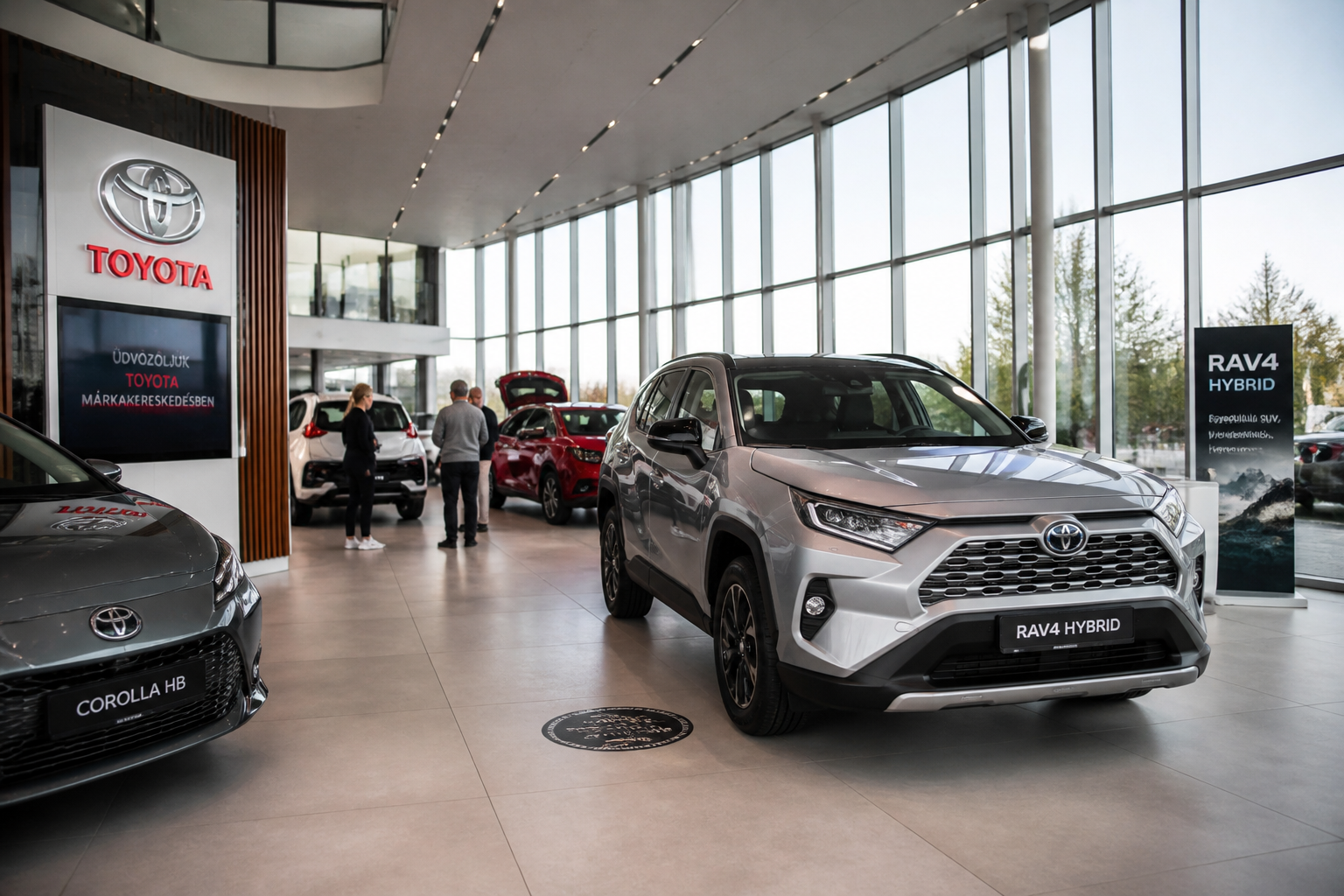
The company faces particular challenges against its Japanese compatriots who have maintained consistent U.S. investment and product development. Toyota’s RAV4 dominates the compact crossover segment, Honda’s CR-V commands strong loyalty, and Mazda has successfully positioned itself as a premium-leaning alternative. Mitsubishi must differentiate itself through pricing, features, warranty coverage, or electrification strategy to reclaim meaningful market share.
The timeline announcement suggests Mitsubishi recognizes these competitive realities and has developed a concrete action plan rather than continuing with incremental adjustments. Success will require not only new product launches but also dealer network reinforcement, marketing investment, and brand image rehabilitation among American consumers who may view Mitsubishi as a marginal player.
Dealer Network Implications
Mitsubishi’s U.S. dealer network has contracted significantly during the brand’s difficult years. Many dealers either closed operations or added Mitsubishi as a secondary franchise alongside more profitable brands. The concrete timeline provides these dealers with planning certainty for facility investments, staff training, and inventory commitments.
Dealer confidence is essential for any automotive brand’s success in the U.S. market. Without enthusiastic retail partners willing to stock inventory and actively market vehicles, even strong products struggle to reach consumers. Mitsubishi’s timeline announcement likely aims to rebuild this crucial dealer enthusiasm and commitment by demonstrating corporate seriousness about the American market.
What This Means for Buyers
For American car buyers, Mitsubishi’s concrete timeline offers several potential benefits. Increased competition in the SUV and compact segments typically drives better pricing and incentives across the market. Mitsubishi has historically competed on value, offering generous warranty coverage and features-per-dollar ratios that undercut mainstream rivals.
Buyers considering Mitsubishi vehicles now have greater confidence in long-term parts availability, service support, and resale value stability. One major deterrent to purchasing from struggling brands is concern about future support if the manufacturer exits the market. A concrete revival timeline addresses these concerns directly.
However, prospective buyers should still approach cautiously until specific product details emerge. Timeline announcements mean little without compelling vehicles that match current market expectations for technology, safety, efficiency, and refinement. The proof will come in actual product launches and how these vehicles compare against segment benchmarks.
Current Mitsubishi owners may see improved dealer service experiences as the network gains confidence and resources. Existing model resale values could stabilize or improve slightly if the market perceives renewed brand viability. Those considering certified pre-owned Mitsubishi vehicles now have reduced risk regarding long-term manufacturer support.
Looking Ahead
Mitsubishi’s announcement represents a critical moment for a brand that has teetered on U.S. market irrelevance. Whether this timeline translates into actual market recovery depends on execution, product competitiveness, and sustained corporate commitment. The American automotive market has seen numerous failed comeback attempts from once-prominent brands, making skepticism understandable.
The company’s alliance with Renault-Nissan could provide platforms, technology, and economies of scale to support the U.S. revival. However, alliance partnerships have not prevented Mitsubishi’s decline thus far, suggesting deeper strategic changes are necessary. The concrete timeline must be backed by genuinely competitive products and sufficient marketing investment to rebuild consumer awareness.
For the broader market, Mitsubishi’s return efforts add another variable to an already complex competitive landscape. Established players will monitor the situation closely, potentially adjusting their own pricing and incentive strategies if Mitsubishi gains traction. American consumers ultimately benefit from increased choice and competition, provided Mitsubishi delivers vehicles worthy of consideration against strong segment rivals.