The neon glow of the Las Vegas strip usually mirrors the optimism of the car business. For the past few years, the National Automobile Dealers Association (NADA) Show has been a showcase of futurism. The expo halls were dominated by sleek electric prototypes and seminars on how to prepare for a battery-powered world.
This year, however, the mood on the convention floor has shifted dramatically. The future has been put on hold. The conversations in the hallways and the packed breakout sessions are no longer about the revolution of tomorrow. They are about surviving the reality of today.
“We spent three years talking about a transition that hasn’t happened yet,” said Bill Henderson, a dealer principal with stores in Texas and Oklahoma. “Now we need to talk about how to keep the lights on while we wait. The hype train has officially run out of steam.”
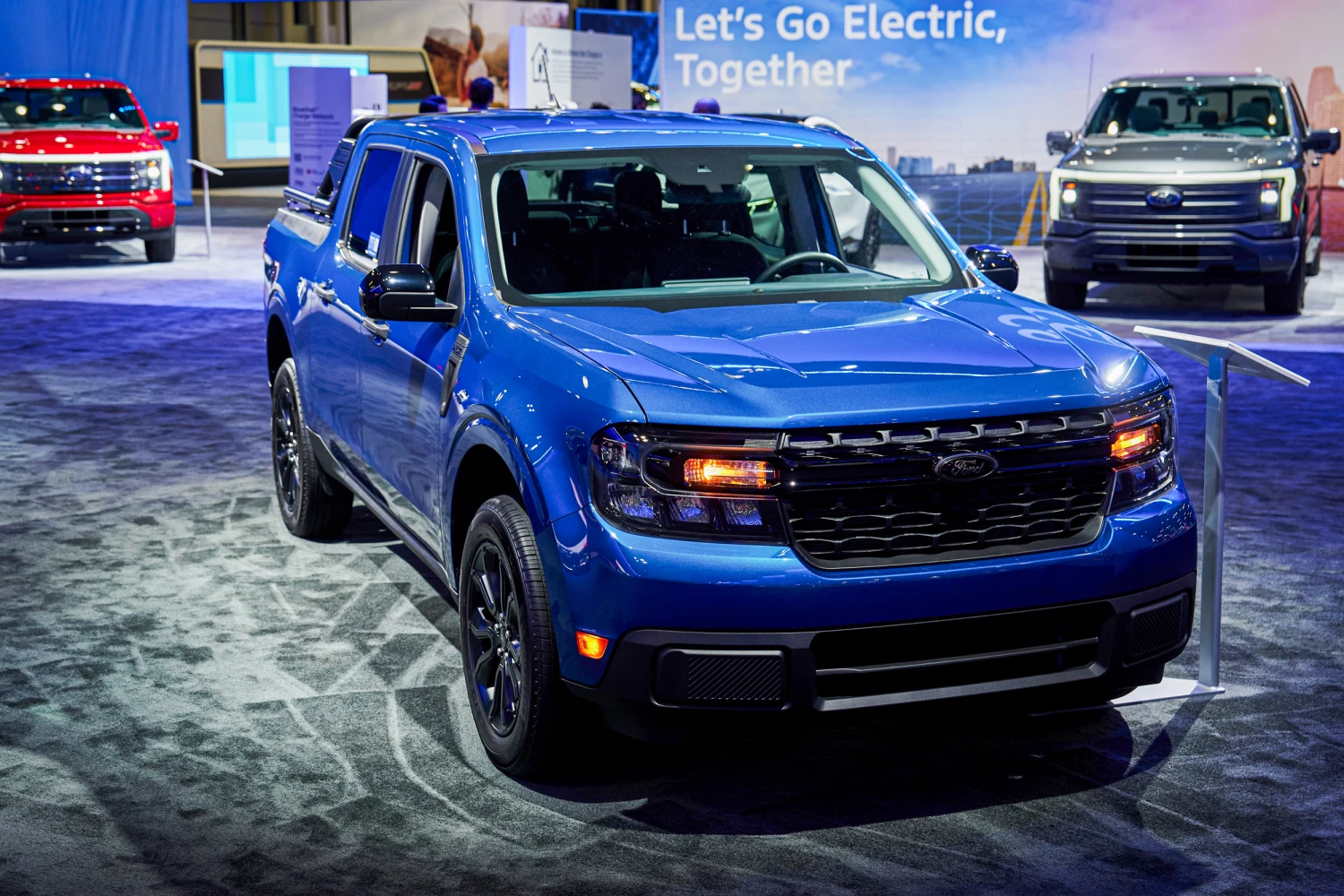
The shift is palpable. While electric vehicles still occupy space on the manufacturer stands, they are no longer the center of gravity. Instead, dealers are crowding into workshops focused on fixed operations, service retention, and protecting finance margins. The buzzwords have changed from “range” and “charging” to “efficiency” and “absorption.”
This pivot is driven by a brutal economic landscape. High interest rates have bloated the cost of holding inventory, known as floorplan expense, to painful levels. At the same time, the wave of early EV adopters has crested, leaving dealers with expensive electric inventory that sits on lots for months.
For many attendees, the push for electrification now feels like a disconnect from what their customers are actually asking for. The disconnect has created friction between the factories, which have invested billions in EV production, and the retailers who are struggling to sell the end product.
“My customers aren’t asking for EVs. They’re asking for affordable payments,” noted Maria Gonzalez, who operates a high-volume import dealership in Florida. “When I have a plug-in hybrid that costs ten thousand dollars more than the gas version, the conversation ends pretty quickly. We need to get back to selling what people want to buy.”
Vendors at the show have adjusted their pitch accordingly. Software companies that once touted tools for managing charging infrastructure are now highlighting features that speed up transaction times or identify used car acquisition opportunities. The industry is retreating to the fundamentals of retail.
Analysts walking the floor suggest this is a necessary correction. The rush to electrify forced the industry to sprint before it could walk. Now, with consumer demand cooling and profitability under pressure, the market is forcing a return to pragmatism.
The message to manufacturers is clear but quiet. It isn’t a rejection of the electric future, but a request for a realistic timeline. Dealers are signaling that they cannot subsidize the transition indefinitely at the expense of their current business models.
As the expo winds down, the focus remains strictly on the balance sheet. The visionary speeches have been replaced by spreadsheets and strategy meetings. The NADA Show has always been a barometer for the industry’s psyche, and right now, that psyche is focused on one thing.
Profitability is the new priority. The electric dream is still there, parked somewhere in the distance, but for now, the dealers are focused on the road directly in front of them.