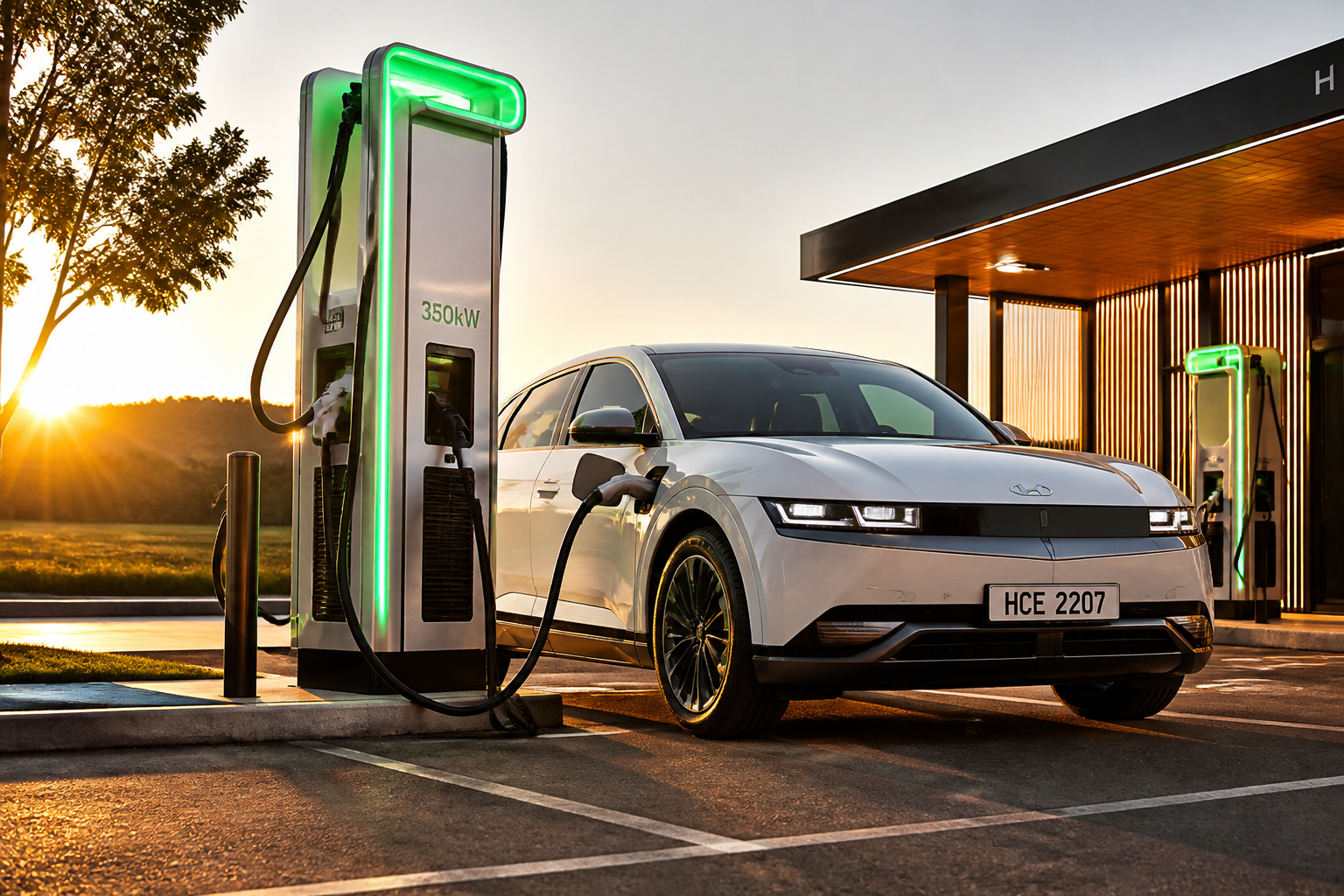
The National Highway Traffic Safety Administration has launched a formal investigation into Ford’s F-150 Lightning electric pickup after receiving multiple reports of battery-related fires and thermal events that could pose serious safety risks to owners.
The probe affects approximately 125,000 F-150 Lightning trucks manufactured between 2022 and 2024, making it one of the largest electric vehicle safety investigations in recent years. NHTSA’s Office of Defects Investigation received eight complaints describing incidents where vehicles experienced sudden battery overheating, smoke emission, and in three cases, actual fires.
What Triggered the NHTSA Investigation
The investigation centers on the Lightning’s lithium-ion battery pack, supplied by SK Innovation, after owners reported alarming incidents during both charging and normal operation. Most concerning are reports where vehicles caught fire while parked and not connected to charging equipment.
One incident in Michigan involved a 2023 F-150 Lightning that ignited in a residential garage, causing significant property damage. The owner reported no warning signs before flames erupted from underneath the vehicle. Similar cases in Texas and California prompted NHTSA to escalate their preliminary evaluation.
Key Safety Concerns Identified
- Battery thermal runaway events occurring without warning
- Fires starting during non-charging periods
- Inadequate battery management system responses
- Potential manufacturing defects in battery cell construction
- Insufficient owner notification systems for battery anomalies
Ford’s Response and Current Actions
Ford has acknowledged the investigation and stated they’re cooperating fully with NHTSA officials. The automaker issued a technical service bulletin to dealers in November, instructing them to inspect Lightning batteries for specific warning signs during routine maintenance.
“Customer safety remains our top priority,” said Ford spokesperson Jennifer Flake. “We’re working closely with NHTSA and our battery supplier to understand these incidents and implement appropriate solutions.”
The company has also updated the Lightning’s software to provide enhanced battery monitoring and earlier warning systems for potential thermal events. However, this update doesn’t address potential hardware-related causes of the fires.
Impact on Electric Vehicle Market Confidence
This investigation arrives at a critical time for electric vehicle adoption in America. The F-150 Lightning represents Ford’s flagship EV effort and was positioned as a mainstream alternative to traditional gas-powered trucks.
Industry analysts worry that high-profile battery fire investigations could slow EV adoption rates, particularly among truck buyers who represent a traditionally conservative market segment. The Lightning’s commercial fleet customers have already begun requesting additional safety protocols.
Similar Industry Precedents
NHTSA has conducted similar battery investigations involving other manufacturers, including General Motors’ Bolt recall in 2021 that affected over 140,000 vehicles. That investigation resulted in complete battery pack replacements costing GM approximately $1.8 billion.
Hyundai faced similar scrutiny with their Kona Electric, leading to a global recall and battery replacement program. These precedents suggest Ford could face significant financial exposure if defects are confirmed.
What Lightning Owners Should Know
NHTSA advises current F-150 Lightning owners to remain vigilant for warning signs including unusual battery smells, unexpected warning lights, or any smoke emission from the vehicle. Owners experiencing these symptoms should immediately contact Ford customer service and avoid charging the vehicle.
The agency hasn’t issued driving restrictions but recommends parking vehicles away from structures when possible until the investigation concludes. Ford has established a dedicated hotline for Lightning owners reporting battery-related concerns.
The investigation timeline typically spans 6-12 months, during which NHTSA will examine vehicle components, review manufacturing processes, and determine whether a formal recall is necessary. Ford’s stock dropped 3.2% following the investigation announcement, reflecting investor concerns about potential recall costs and reputation damage.
This developing situation underscores the challenges automakers face transitioning to electric powertrains while maintaining the safety standards consumers expect from traditional vehicles. The outcome could significantly influence future EV battery design and safety protocols industry-wide.