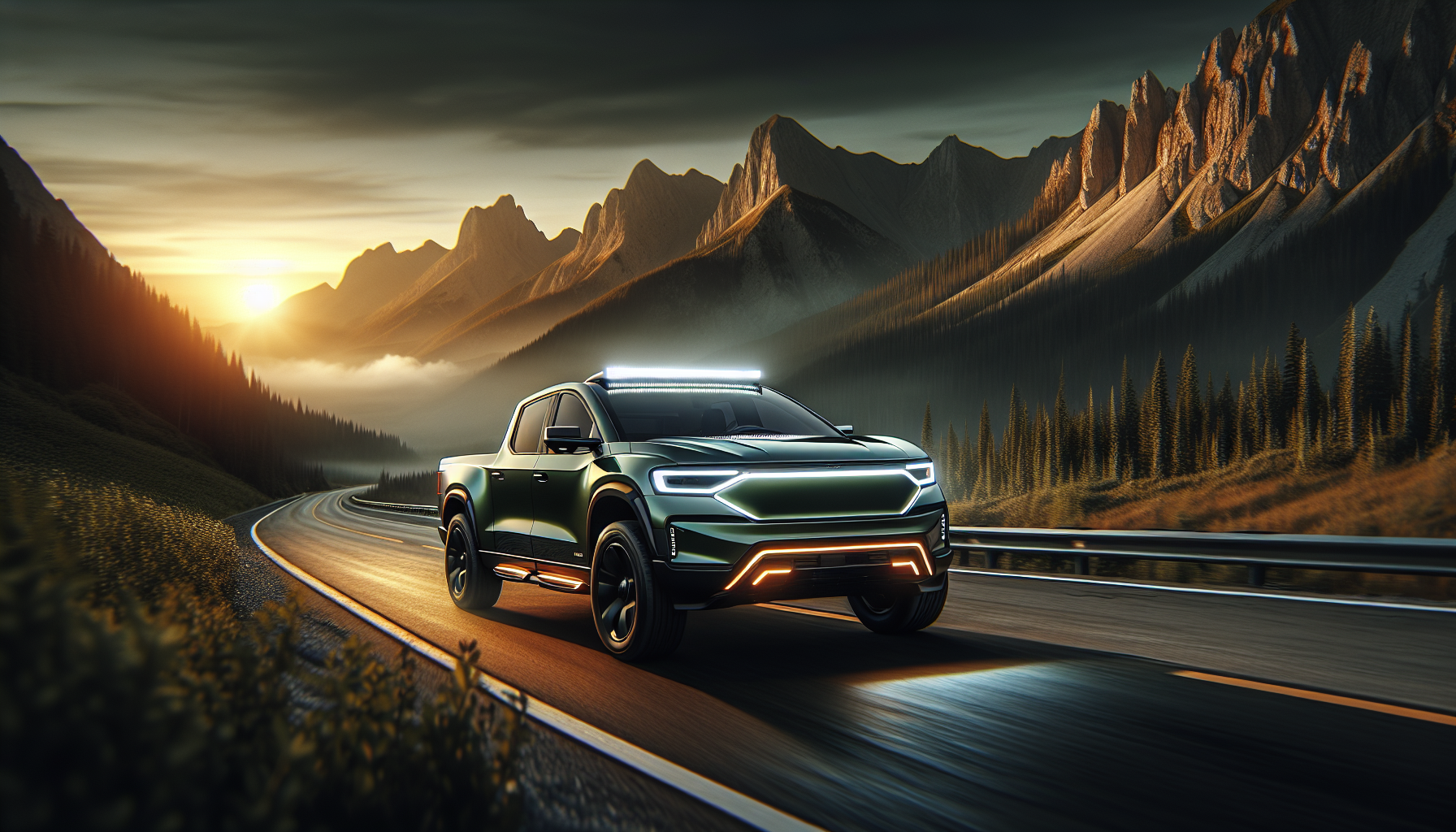
Pickup truck demand in the United States is holding steady even as electric vehicle sales show signs of cooling. In an auto market shaped by affordability concerns and shifting consumer priorities, trucks continue to anchor sales volumes for many automakers while EV momentum slows outside early adopter segments.
Dealers report that full size and midsize pickups are maintaining consistent demand across most regions. While growth has moderated compared with the post pandemic surge, trucks remain among the most reliable sellers on dealer lots. Buyers continue to prioritize utility, familiarity, and resale value, particularly as interest rates remain elevated.
Electric vehicle sales, by contrast, have lost some momentum in recent months. After a period of rapid expansion driven by incentives and early adopters, demand has become more uneven. Price cuts and financing offers have helped stabilize EV sales, but they have not produced the broad based acceleration many automakers anticipated.
The contrast highlights how consumer behavior is evolving. Many buyers remain cautious about higher priced electric vehicles, especially when monthly payments remain high. Pickup trucks, despite their higher average prices, are often viewed as essential purchases tied to work, lifestyle, or towing needs, making buyers more willing to commit.
Powertrain choice is also shaping demand. Gasoline and hybrid pickups continue to dominate sales, offering range, capability, and convenience without charging concerns. Electric pickups have attracted interest, but volumes remain modest relative to traditional models, particularly outside major metro areas.
Fleet and commercial demand is providing additional support. Construction, agriculture, and service businesses continue to rely heavily on pickups, and replacement cycles have resumed after years of delayed purchases. That steady commercial demand has helped offset softness in other segments.
Automakers are responding by reinforcing truck focused strategies. Production schedules for pickups remain relatively stable, and marketing efforts emphasize durability, capability, and value. In contrast, some EV programs are seeing more cautious volume planning as manufacturers reassess demand assumptions.
Industry analysts view the divergence as a reminder that electrification is progressing unevenly. While EV adoption continues, it is no longer rising at the pace seen in earlier years. Traditional vehicle segments that meet clear functional needs are proving more resilient in a high cost environment.
For now, pickup trucks remain a pillar of the U.S. auto market. As EV sales cool and consumers weigh practicality over novelty, trucks are once again demonstrating why they continue to command a central role in automaker portfolios and dealer profitability.