Key Facts
- Scout Motors has started production vehicle manufacturing at its new factory facility
- The brand is building real trucks and SUVs, moving beyond prototype phase
- Market launch is scheduled for 2025 in North America
- Scout Motors aims to compete in the affordable-to-midrange truck and SUV segment
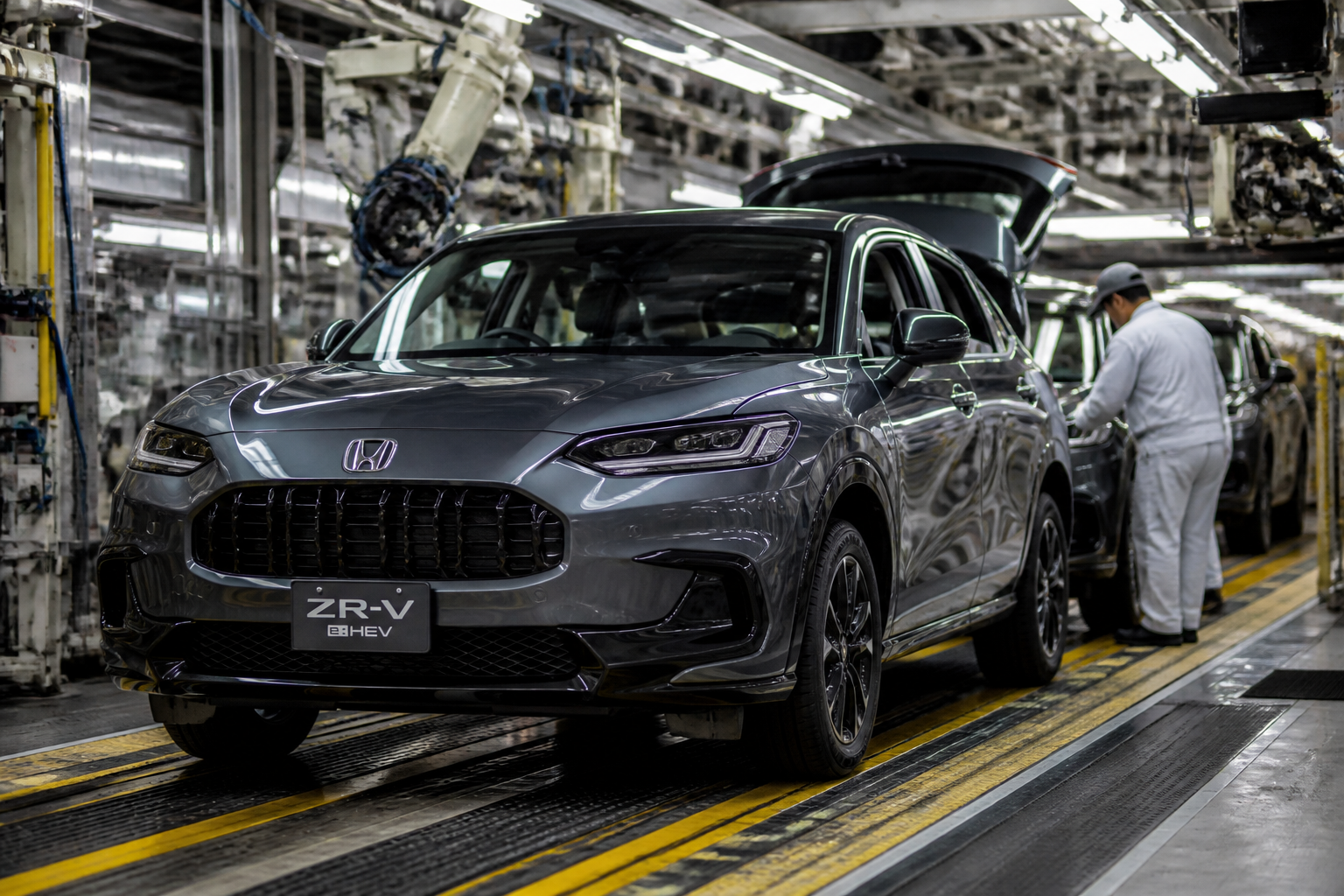
Scout Motors has officially begun building production vehicles at its newly established manufacturing facility, marking a critical transition from prototype development to full-scale manufacturing ahead of the brand’s anticipated 2025 market debut. The milestone signals the emerging automaker’s readiness to compete in the competitive North American truck and SUV segment.
According to recent reports, the company has commenced manufacturing operations while simultaneously providing a production timeline that confirms the brand’s intent to launch vehicles to consumers next year. The automaker’s new facility represents a significant capital investment as Scout Motors positions itself as a new entrant challenging established truck manufacturers.
From Prototypes to Production Reality
The commencement of production vehicle assembly marks a pivotal moment for Scout Motors, which has transitioned from the concept and prototype phase into genuine manufacturing. The brand is now building real trucks and SUVs intended for customer delivery, a departure from pre-production test units that typically populate early-stage manufacturing facilities.
This development demonstrates factory readiness and supply chain maturity, both critical prerequisites for meeting ambitious 2025 launch targets. The timing suggests Scout Motors has successfully navigated tooling installation, workforce training, and quality control validation—processes that often delay new automotive ventures.
Market Positioning and Competitive Landscape
Scout Motors is entering one of the most lucrative and fiercely contested segments in the global automotive market. North American buyers have demonstrated sustained appetite for trucks and SUVs, with these vehicle types accounting for the overwhelming majority of new vehicle sales in the United States, Canada, and increasingly in other Tier-1 markets.
The brand’s focus on the affordable-to-midrange segment places it in direct competition with established players including Ford, General Motors, Ram, Toyota, and Nissan, alongside emerging electric truck manufacturers such as Rivian and legacy brands pivoting to electrification. This pricing strategy could prove decisive in attracting buyers seeking capability and features without premium-brand premiums.
As a new entrant developing vehicles specifically for North American market preferences, Scout Motors benefits from designing products around contemporary buyer expectations rather than adapting existing platforms. However, the brand faces the considerable challenge of building dealer networks, establishing brand recognition, and proving long-term reliability without decades of market presence.
Factory Capacity and Production Ramp
While Scout Motors has confirmed production commencement, specific details regarding initial manufacturing capacity, planned production volumes, and ramp-up schedules remain undisclosed. Early-stage production typically begins at limited volumes to identify and resolve assembly challenges before scaling to full capacity.
The factory’s location and specifications will significantly influence Scout Motors’ ability to meet demand and control costs. Manufacturing proximity to supplier networks and logistics infrastructure often determines whether new automotive ventures achieve sustainable unit economics.
What This Means for Buyers
For prospective truck and SUV buyers in North America and other Tier-1 markets, Scout Motors’ production milestone suggests the brand is on track to deliver vehicles within the stated 2025 timeframe. This represents a genuine alternative to established manufacturers, potentially introducing fresh design language, technology integration, and value propositions to a segment that has seen consolidation around similar formula approaches.
However, buyers considering Scout Motors vehicles should weigh the typical risks associated with new automotive brands. These include uncertain resale values due to limited market data, unproven long-term reliability, potentially limited service network coverage during initial rollout, and questions regarding parts availability over extended ownership periods.
The affordable-to-midrange positioning suggests Scout Motors vehicles could offer compelling value relative to premium-brand trucks and SUVs, though final pricing, specifications, and feature content will ultimately determine competitiveness. Buyers seeking the latest technology, fresh design, and willingness to embrace a new brand may find Scout Motors offerings attractive, while those prioritizing proven reliability and established service networks may prefer waiting for the brand to establish market presence.
The 2025 launch timeline means interested buyers should anticipate official pricing, complete specifications, and order information becoming available throughout 2024, with first customer deliveries likely in the latter half of 2025 or early 2026 depending on production ramp success.