The shift to electric vehicles was supposed to simplify things. No more gas stations, no more oil changes, no more tailpipe emissions. But the transition has created a problem that state legislatures across the country are now scrambling to address: how to fund roads when fewer drivers are paying fuel taxes.
At least a dozen states have announced plans to adjust their electric vehicle registration fees starting in early 2026. The changes range from modest increases of $50 annually to more aggressive restructuring that ties fees to vehicle weight or miles driven. The goal is consistent even if the methods differ. States need money to maintain highways and bridges, and the traditional funding model is breaking down.
“The gas tax was an elegant solution for a century,” said Robert Harmon, a transportation policy analyst at the Brookings Institution. “You drove more, you bought more fuel, you paid more toward roads. Electric vehicles break that link entirely. States are improvising in real time.”
The federal gas tax has remained unchanged at 18.4 cents per gallon since 1993. Most states add their own fuel taxes on top of that, with rates varying widely. As EV adoption accelerates, the revenue those taxes generate has begun declining in some states while road maintenance costs continue climbing. The American Society of Civil Engineers has repeatedly given the nation’s infrastructure poor marks, and deferred maintenance only makes future repairs more expensive.
California, which leads the nation in EV registrations, implemented a $100 annual fee for zero-emission vehicles several years ago. Lawmakers in Sacramento are now considering increases that could push that figure above $200 by 2027. The California Transportation Commission released a report last fall warning that current funding levels are insufficient to meet long-term infrastructure needs.
Texas took a different approach. Starting in early 2026, the state will require EV owners to pay $200 annually, up from $150 previously. State officials justified the increase by pointing to the average amount gasoline vehicle owners pay in state fuel taxes each year. “We’re asking for parity, not punishment,” said a spokesperson for the Texas Department of Motor Vehicles.
Not everyone agrees that parity is the right frame. Consumer advocacy groups have argued that higher registration fees discourage EV adoption at precisely the moment when governments should be encouraging it. Environmental organizations have raised similar concerns, suggesting that the fees undermine climate goals by making electric vehicles less financially attractive.
“There’s a tension between transportation funding and environmental policy that nobody has fully resolved,” said Catherine Wu, director of the clean transportation program at the Union of Concerned Scientists. “You can’t simultaneously promote EVs and penalize people for buying them. At some point, policymakers have to decide what they’re actually prioritizing.”
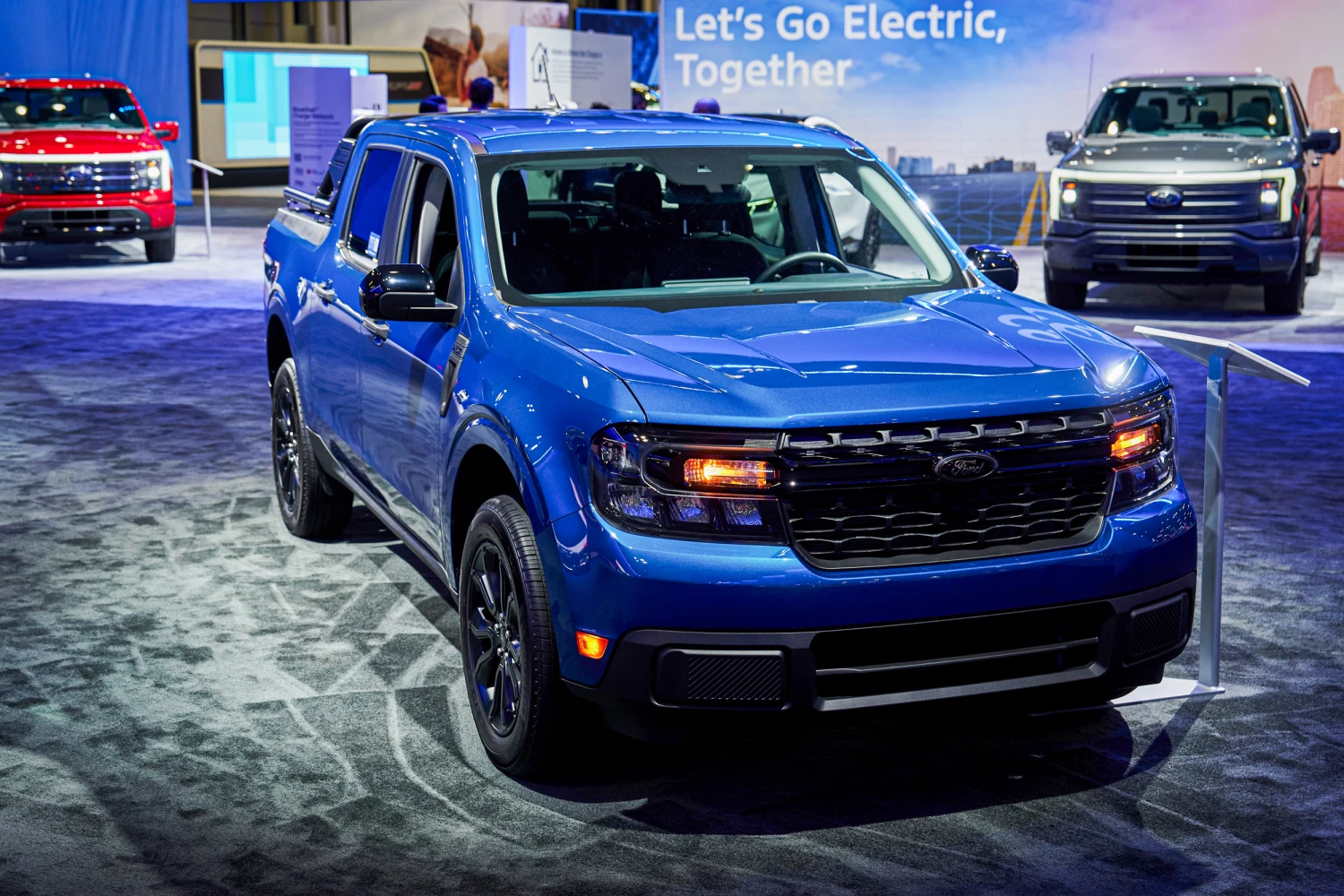
The weight question adds another layer of complexity. Electric vehicles are generally heavier than their gasoline counterparts because of their battery packs. A Ford F-150 Lightning weighs roughly 1,500 pounds more than a standard F-150. Some engineers and road maintenance officials have argued that heavier vehicles cause disproportionate wear on pavement, which suggests EV owners should perhaps pay more, not achieve parity.
Illinois and Utah have begun exploring weight-based fee structures, though neither has finalized legislation. Oregon has gone further, piloting a program that charges drivers based on actual miles traveled rather than vehicle type. Participants pay 1.9 cents per mile and receive a credit for any gas taxes paid. The program remains voluntary for now, but state officials have discussed making it mandatory for new vehicles within the next decade.
Privacy advocates have raised concerns about mileage-based systems. Tracking how far someone drives inherently requires knowing where they’ve been, or at least when their odometer readings change. Oregon’s program offers multiple reporting options, including manual odometer checks, but more automated approaches would involve GPS tracking or telematics data. For drivers already wary of how much information their vehicles collect, adding government monitoring feels like a step too far.
Automakers have largely stayed on the sidelines of the fee debates. Companies like Tesla, Rivian, and the legacy manufacturers pushing into electrification have focused their lobbying efforts on federal tax credits and charging infrastructure rather than state registration policies. But some industry observers expect that to change as fees rise and begin affecting purchase decisions.
I spoke with a dealership owner in Georgia who sells both traditional and electric vehicles. “Customers ask about total cost of ownership,” he said. “When I tell them about the $200 annual fee on top of registration, some of them pause. It’s not a dealbreaker for most, but it’s one more thing to explain. And if fees keep going up, that calculation shifts.”
Georgia’s fee structure has been among the more aggressive in the Southeast. The state implemented a $200 annual fee for EVs in 2020 and added an additional $136 for plug-in hybrids. A bill introduced in the current legislative session would raise the EV fee to $250 and index future increases to inflation. Supporters argue the adjustment is necessary. Critics call it a tax on progress.
The equity dimension of these fees has received less attention but matters considerably. EV buyers have historically skewed wealthier, which makes flat registration fees effectively regressive compared to income. However, as used EVs enter the market and prices for new models decline, the ownership demographics are shifting. A $200 or $300 annual fee hits differently for a household buying a used Nissan Leaf than for someone purchasing a new Lucid Air.
Some states have attempted to address this by offering fee waivers or reductions for low-income drivers. Colorado provides credits for EV purchases below certain price thresholds and has discussed extending that logic to registration fees. Whether such carve-outs survive budget pressures remains uncertain.
Federal involvement has been minimal so far. The Biden administration focused on EV incentives and charging networks rather than registration policy, which has traditionally been a state matter. The current administration has shown less enthusiasm for EV promotion overall, making federal guidance even less likely. States are operating independently, which means drivers crossing state lines face a patchwork of rules and costs.
The revenue stakes are substantial but not enormous in the context of overall state budgets. Georgia’s EV fees generate roughly $50 million annually. California’s bring in more, but still represent a fraction of total transportation funding. The symbolic weight of the fees often exceeds their fiscal significance. They signal how states view the EV transition and who should bear its costs.
For now, the adjustments taking effect in early 2026 represent incremental moves rather than fundamental restructuring. Most states are raising flat fees by modest amounts and watching what happens. The bigger questions about mileage-based charging, weight adjustments, and long-term funding remain unresolved. Pilot programs will generate data. Advocacy groups will generate pressure. Legislatures will revisit the issue in future sessions.
The roads still need paving. The money has to come from somewhere. Electric vehicle owners are being asked to contribute more, and the debate over how much and in what form is only beginning. What seems certain is that the free ride, to the extent it ever existed, is ending.